
Limpopo schools embrace holistic child development
LISA advocates holistic child development, focusing on physical, emotional, and spiritual growth for future success.
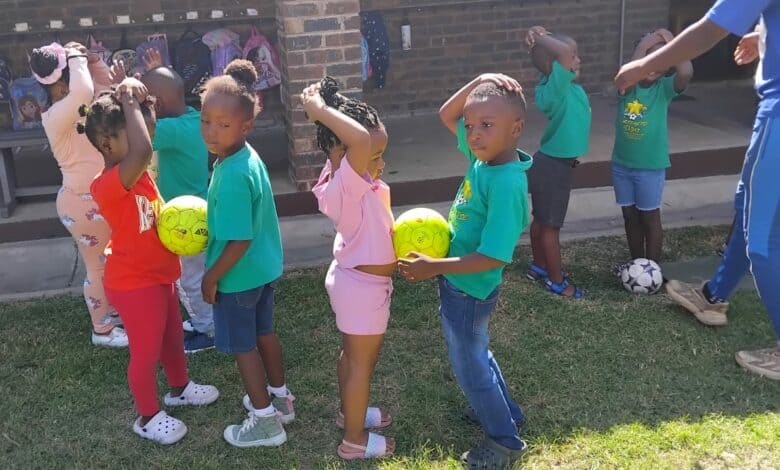
POLOKWANE – The Limpopo Independent Schools Association (LISA) firmly believes that building strong foundations in a child’s early years paves the way for future success.
Executive committee member Bertie de Lange, who works alongside chairperson Mac van den Berg, explained that holistic development is about nurturing the body, soul, and spirit.
This approach is essential for raising well-rounded individuals who grow into confident, compassionate, and Christ-centred adults, he said.
De Lange, who is also the principal of Eagle’s Nest Christian School’s primary section, and Van den Berg, the executive principal, both said that physical well-being is the cornerstone of a healthy life.
“We encourage children to engage in physical activity, maintain proper nutrition, and develop good habits that foster discipline and resilience,” De Lange said.
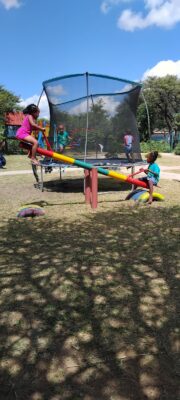
He remarked that in Limpopo schools such as Eagle’s Nest and other Christian schools, learners are taught that their bodies are temples of the Holy Spirit, as stated in 1 Corinthians 6:19-20. Through structured play, sport and outdoor activities, they learn the value of movement, teamwork, and self-care.
De Lange also said that a child’s education should go beyond academic achievement. He believes that quality matters more than quantity and that education should focus on critical thinking, creativity, and emotional intelligence.
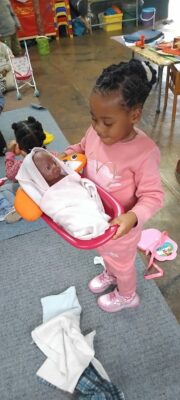
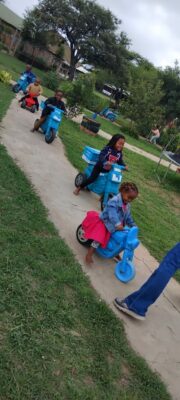
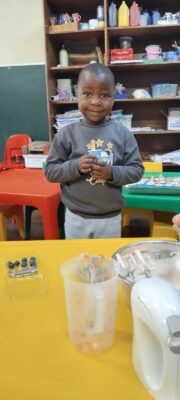
By fostering meaningful relationships and creating a supportive environment, children learn the value of respect, love, and personal growth.
“A child who is emotionally secure is better equipped to face life’s challenges with confidence and grace,” he explained.
At the heart of holistic development is a strong spiritual foundation. De Lange said: “Children need to be rooted in faith, knowing that they are loved and valued by God.
Daily prayer, Bible study, and Christ-centred teaching instil strong moral values, guiding children to make wise choices.”
He added that education should be relational rather than transactional, and that the focus is on love and respect for each individual. “Each child is unique, with God-given talents and a divine purpose. Teachers, parents, and mentors play a crucial role in shaping their identity and character,” he said.
De Lange concluded that nurturing a child holistically requires a balanced approach to caring for their body, soul, and spirit.
“With Christ as the cornerstone, we can nurture children who are not only academically capable but also spiritually strong, emotionally intelligent, and physically healthy. By laying these foundations early, we set them on a path to a fulfilled and purposeful life, grounded in God’s love and wisdom.”