Rural Limpopo LGBTQ+ activist fights for equality and acceptance
Mac D Bopape, a rural Limpopo LGBTQ+ activist, fights stigma, educates communities, and co-founded Capricorn Ignited LGBTQI to promote acceptance.
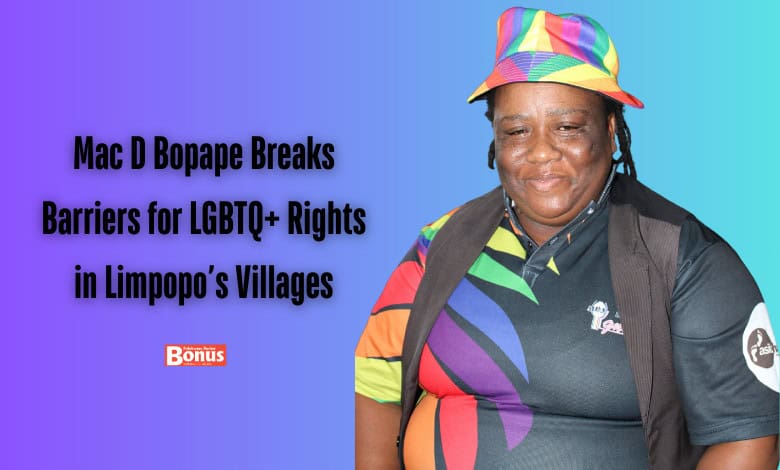
POLOKWANE – In a world where being different is often met with resistance and fear, Mac D Bopape (42) stands as a beacon of hope and resilience.
As a lesbian woman living in the rural community of Mamotintane near Turfloop, she has faced numerous challenges, from discrimination and stigma to brutality and rejection. Yet, she remains committed to fighting for the rights and dignity of the LGBTQ+ community.
Mac D’s journey to self-discovery began at the age of 20. “I noticed that I was attracted to women, which meant I was a homosexual woman,” she recalled.
Coming out in a rural community, however, was far from easy, as she encountered harsh judgment from her community and even from family members.
“I was bashed for being a lesbian, especially after I had a baby,” she said. Some accused her of being untruthful, questioning how she could be both a lesbian and a mother. Despite the societal pressures, Mac D took responsibility for educating her young son about LGBTQI+ terms, the correct use of pronouns, and issues surrounding gender identity. “I wanted him to understand that being different is not something to be ashamed of but something to be proud of. I want others to live free, without experiencing the same challenges and brutality I faced,” she explained.
Mac D refused to hide her true self, even when it meant facing rejection and violence. She knew she couldn’t fight alone, and through her work with others who shared similar experiences, she co-founded Capricorn Ignited LGBTQI.
This organisation, which she now directs, advocates for the rights of the LGBTQI+ community in rural areas across the province, working to promote acceptance and understanding of gender identities beyond heterosexual norms.
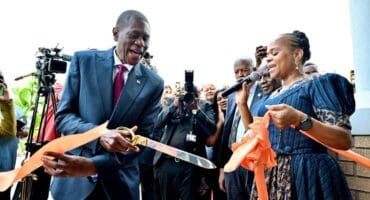
The importance of inclusive language and terminology became clear to Mac D through her involvement with the Commission for Gender Equality in developing gender terminology booklets in Sepedi, Tshivenda, and Xitsonga.
The booklets, launched in Polokwane, aim to redefine terms like “queer” and “gender” in ways that are respectful and inclusive in these dialects.
“For too long, we have been stigmatised and disempowered because of our sexuality. With these booklets, we finally have a tool that helps people understand us better,” she said, highlighting the significance of language in breaking down barriers of misunderstanding and promoting acceptance.