
Aspiring Polokwane writer tackles silence in debut story
Masilo France Mafafo's debut story 'The Silence That Killed Her' explores the devastating consequences of suffering in silence.
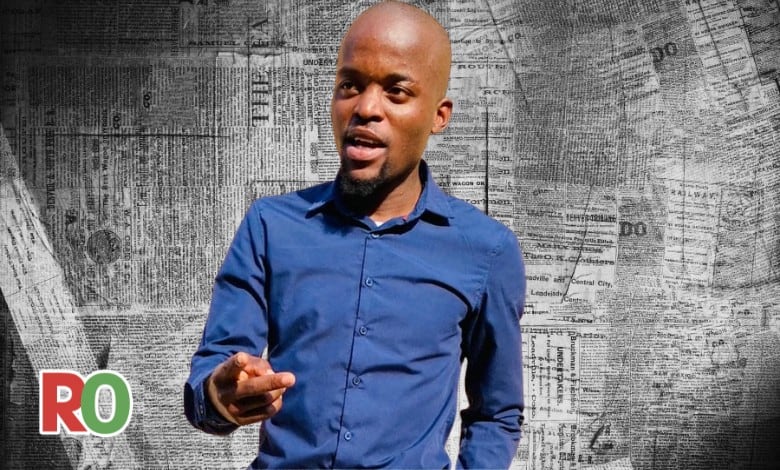
POLOKWANE – Aspiring writer Masilo France Mafafo is using storytelling to tackle some of South Africa’s most pressing social challenges in his debut story, ‘The Silence That Killed Her’.
Mafafo explained that the title was carefully chosen to highlight how dangerous silence can be when someone is suffering but is too afraid to speak out. In the story, the main character, Thandi, keeps her illness and suffering to herself until it is too late.
A tragedy of silence
He described the genre of this book as a tragedy and family drama. It tells the story of Thandi, a woman diagnosed with cervical cancer who struggles to tell her husband about her condition.
At the same time, her husband Sipho loses his job and turns to alcohol, leading to domestic violence and the eventual collapse of the family.
The story explores themes of illness, addiction, violence, communication and the devastating consequences of suffering in silence.
Inspired by health ignorance
Mafafo said that he was inspired to write the story by the growing health ignorance he has observed in South Africa over the past three years and by seeing how many families fall apart due to a lack of communication in relationships.
“It highlights the tragedy that comes with silence when it comes to health issues. We should communicate, listen to people who are struggling, seek help when necessary, and never assume that someone is okay simply because they say, ‘I’m fine’,” he said.
Over a year in the making
Mafafo credits a book he read in 2024 in matric, ‘Kgalagalo Tsa Setu’, as the inspiration behind ‘The Silence That Killed Her’.
The story took him a year and four months to write. He was introduced to a book club when he got to university and dedicated his time to developing characters, planning events and constantly reviewing the story.
He draws his ideas from real-life situations, social issues, personal observations and conversations with people around him.
Emotional scenes were the hardest to write
Like many first-time writers, Mafafo faced challenges in the writing process. The most difficult part was writing the emotional scenes involving illness, domestic violence and death.
“I wanted those moments to be emotional and meaningful without losing the main message of the story,” he explained.
Despite the heavy subject matter, he found joy in the creative process. The most enjoyable part was creating the characters and watching the story unfold – imagining their personalities, relationships and struggles and how their decisions shaped the direction of the narrative.
Balancing writing and studies
Balancing writing with his studies has not been easy, but he shared that he treats his schoolwork as a priority and uses his free time for writing, managing his time carefully to ensure one does not interfere with the other.
While the story is currently only available online, Mafafo has bigger dreams for it. He hopes to publish a hard copy in the future. For now, he is focused on developing the story and improving his craft.
He shared that this is only the beginning of his writing journey. He plans to continue writing stories that deal with family, relationships, social issues, personal struggles and lessons that make readers think.
Read the story
Read the story for yourself here.