No end in sight for deadly accidents
Most of the time, those involved in these accidents are men between the ages of 20 and 49 years old.
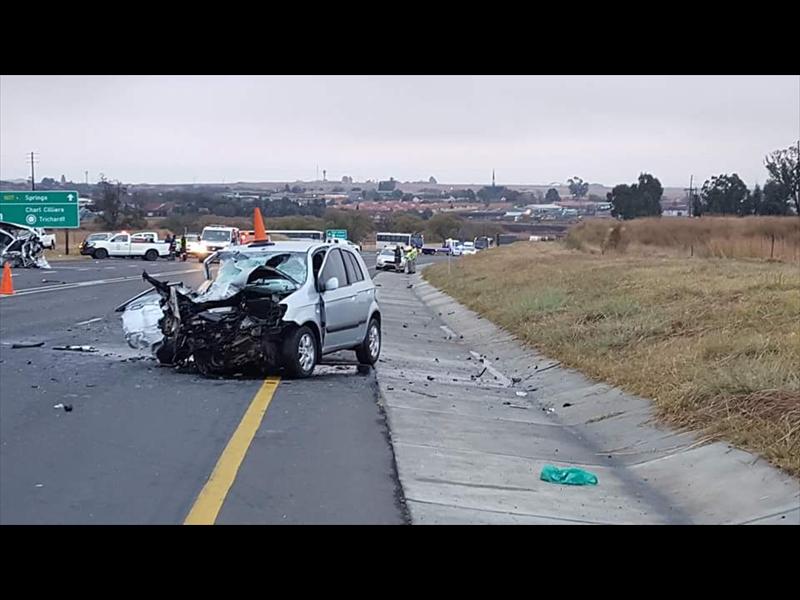
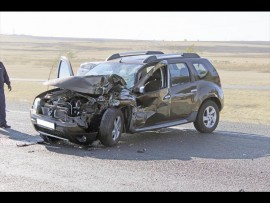
HIGHVELD – Altogether 23 people have died in the past six months in vehicle accidents in and around the Govan Mbeki Municipality.
More than 16 other people who were involved in these accidents sustained serious and life threatening injuries and in some cases permanently debilitating injuries.
The newspaper has reported on no less than 13 accidents from 13 March to 22 August.
According to various emergency services, the main cause of these accidents were negligent drivers who refused to adhere to road rules.
“They sped, drove under the influence, overtook when it was not safe – in short they did not respect their own lives or the lives of others,” said an emergency worker who attended to the scene of a recent accident on the N17 highway.
The 13 accidents that the newspaper reported about in this time, were those in which someone had died or was seriously injured.
The number of smaller accidents is much higher, but just because there were no fatalities or serious injuries, does not mean these accidents did not severely impact the lives of those who were involved.
According to Arrive Alive, 60 per cent of all accidents take place over weekends and of this percentage, nearly half occur over so-called “payday weekends”.
Most of the time, those involved in these accidents are men between the ages of 20 and 49 years old.
This means that most of them leave behind wives, partners and children, making the circle of destruction that much broader.
These men are often the breadwinners of their families and even a minor injury may result in him being unable to provide for them anymore, which might lead to various socio-economical problems.
When it comes to road accidents, we have been conditioned to expect the worst and live in fear of that call that spells the end of life as you know it.
Spare a thought also for the emergency personnel whose job it is to inform loved ones of the sudden death of a relative.
Recently the newspaper was on the scene of an accident in which a woman had sustained minor injuries and was taken to hospital before her husband arrived on the scene.
Upon his arrival, he ran to one of the emergency workers who assured him that her injuries were minor.
The husband, in his relief, flung his arms around the other man and for a few moments they stood amid the chaos of the accident scene, thankful to be the bearer and receiver of good news.
Road accidents are a universal problem and affect every single part of society and there seems to be no end to the carnage on our roads.
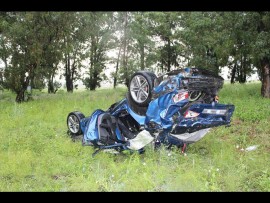
Further research into the underlying causes of these fatal accidents indicate that nearly 13 per cent of all fatalities are as a result of single car overturn type of accidents.
Arrive Alive states on its website that these accidents are in large parts caused by excessive speed, intoxication and reckless driving.
We are more than halfway into the Decade of Action for Road Safety, a joint initiative between various countries that addresses certain risk factors, like speeding, drinking and driving and failing to use safety devices like helmets and seat belts.
Regardless of this initiative, more than 40 people still die on our roads every single day.
One frustrated emergency worker shared his views.
“I wish there were no more accidents.
“Drivers do not understand the responsibility of driving a car, it is the most dangerous thing you will do in your life.”