Feral Watch cares for cats on the street
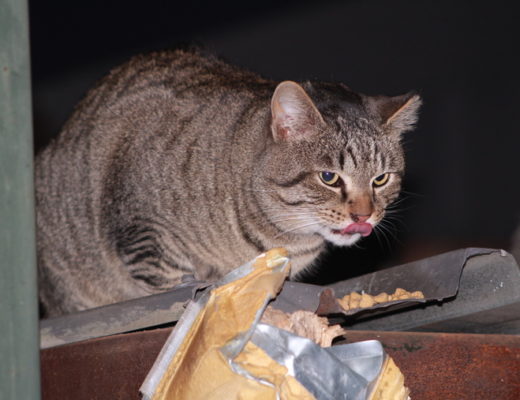
Feral Watch runs through about 400kg of cat food a month to feed stray cats in Secunda and Trichardt
TRICHARDT – “Who will look after them if we do not?”
This was Ms Nicolette van Zyl’s question when asked why she and her fellow cat lovers feed and take care of the feral cat colonies in the Secunda and Trichardt areas.
The plight of these street cats is a burden on her heart.
Ms Van Zyl was one of the founding branch members of another group before she officially registered Feral Watch as a non-profitable organisation on 18 March this year.
She refers her daughter, Madelize, as her trusted side-kick. Madelize is student in animal behaviour.
The committee members of Feral Watch are Ms Lizanne Roos, Ms Hanlie Rheeder and Ms Heidi van Zyl.
“We also get tremendous support from several local vets, such as Drs Oliver, Bosch and Hansen.
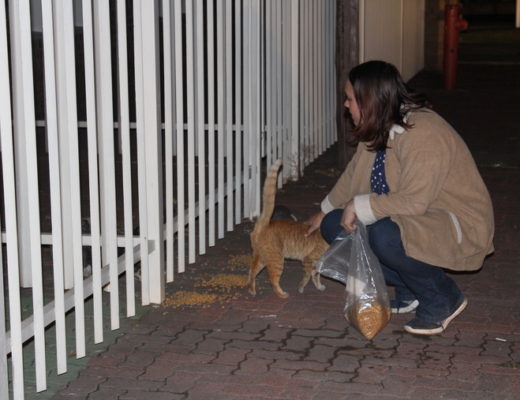
The newspaper joined the Van Zyl mom and daughter on Tuesday, 25 June for a feed run in Trichardt.
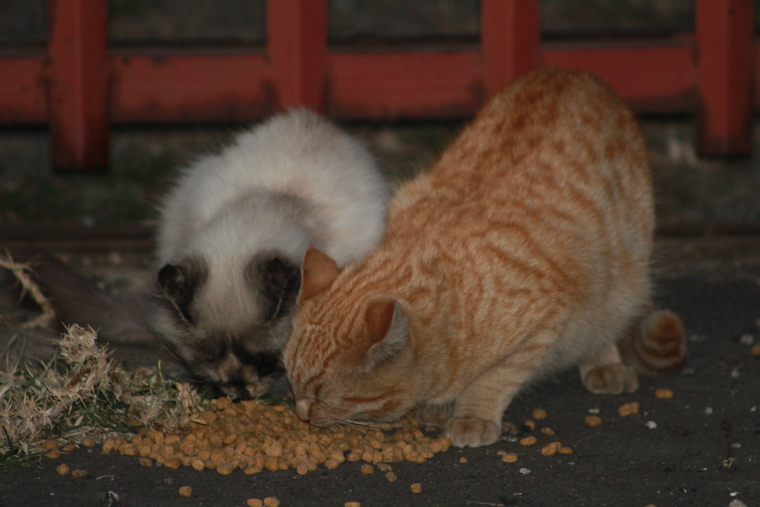
Each member of the Feral Watch has an area that they operate in. They put food out for the cats at several points in every colony, wait around to see who is coming to eat and which animal needs medical care.
These women know their wild cats and can identify each one.
“I live by the words a vet once shared with me: ‘An animal needs a name, even if it is on its last time, they at least deserve a name’. So, now we name each one.
“This becomes quite hilarious when we run out of names and start making up random names.”
We began our feeding route with the regular trip past the Secunda dumping site and onto the gravel road to Trichardt to look out for any dumped animals.
Once we arrived at the Trichardt silos, several cats from two opposing colonies began popping up between the rocks and tall grass. It is as if the cats recognised Ms Van Zyl’s car.
Many immediately came closer when the car stopped. They knew it was feeding time.
The Van Zyls explained which kitten belonged to which mother, which one were related and what the health conditions of the individual cats were.
Ms Van Zyl pointed out the clipped ears on many of these felines.
“We trap them, take them to the vet to be sterilised and once they are better, we release them back into their colony. The ones with clipped ears have been sterilised.”
Feral Watch has specific dates when they set traps and catch a few cats that they then take to be sterilised.
“We pay for this out of our own pockets, so we can only trap a few at a time. But I think we are making progress in minimising the size of colonies.”
They also take the injured and sick for medical treatment, but they need financial help with paying these bills.
Ms Van Zyl lit up when she explained how feral cat colonies operate. Domesticated cats will not survive on the streets.
There is a hierarchy with the Alfa male as the leader. Though some can become tame to the extent that you can rub them, they will not easily be handled and they will only seek affection on their terms.
Most of them however avoid humans. The only time these felines can be successfully rehabilitated is when they are removed from their colony between the age of three and six weeks.
This is also a risk according to Ms Van Zyl as removing any feral from its colony causes stress that leads to the breaking down of the animal’s immune system and causes a number of diseases.
Feral Watch uses about 400kg of dry cat food per month.
The night’s work was done only after we visited the light industrial area near Albany bakery. This was a new area that the women had only been scouting for a few weeks and spotted stray cats about.
“This area needs attention before the colony numbers explode. It is kitty season, so there is a need to trap and sterilise as soon as possible,” Ms Van Zyl explained.
Anyone who is interested in joining Feral Watch or who wants to support this organisation, can phone Ms Nicolette van Zyl at 082 781 9435 or Ms Madelize van Zyl at 071 519 6095.