
Secunda beekeeper explains bee behaviour after two dogs die
While bees are known for their sweet produce, they can be very aggressive when threatened. It is best to just let bees be - so to speak.
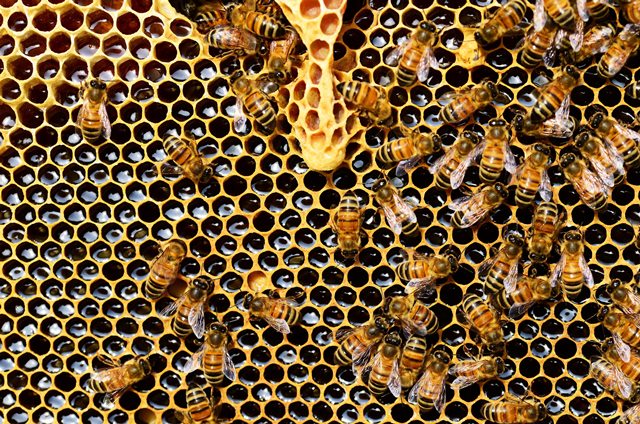
SECUNDA – At least two dogs died and more were injured from severe bee stings in two separate incidents in the area over the past two weeks.
In this period a Middelburg incident where three dogs were killed in a bee attack was also reported.
Dr Corné Viljoen, a vet in Secunda, said he had even dealt with a horse that was stung to death in December.
In the local cases where the dogs were stung, their owners also came under attack.
None of them know what caused the attacks, although it was evident that in both incidents, the insects’ hives were on neighbouring properties.
Bee keeper, Mr Louis Trichardt, said bees do not attack unless they feel threatened or provoked.
According to Mr Trichardt, the most reasonable answer as to why these attacks happened around the same time, can be seen in nature.
“Nature is flourishing after the good rain, there are enough food for the bees and the hives are full.
“Now is the ideal time for hives to divide and form new colonies with a new queen.”
Mr Trichardt said these new swarms are alert and on defence while they are settling into their new homes.
“The last thing they want is a disturbance at home, albeit to remove the hive or to harvest.”
He said people often do not think of the repercussions of their actions pertaining to bees.
While bees are known for their sweet produce, they can be very aggressive when threatened. It is best to just let bees be – so to speak.
“Do not try to use poisonous sprays or foggers. A hive contains between 20 000 and 40 000 bees, and although you may kill those inside the hive, there are those that are out and about collecting nectar. When they return you will have it worse off.”
Mr Trichardt explained that when a nest is exterminated, pests move i,n such as flies, rats and wax moths.
“The stench of fermenting honey is something terrible.”
He suggested that residents make use of skilled bee removal services to relocate the bee hives. Mr Trichardt advised other beekeepers to keep their bees away from urban areas.
“Municipal bylaws varies in from municipality to municipality, but locally it is not permitted to keep bees in residential areas.”
Mr Trichardt said people should remember the huge role bees play in the world.
He and Dr Viljoen agree that Allergex tablets come in handy when an animal is stung.
Dose the animal with anti-allergy medicine according to its size and get the animal to a vet immediately, is their advice.