You can now donate plasma at the SANBS in Secunda
Although anyone who meets normal donation criteria can donate plasma, SANBS specifically need blood group A and AB donors between the ages of 18 to 65 years to consider donating this special source plasma.
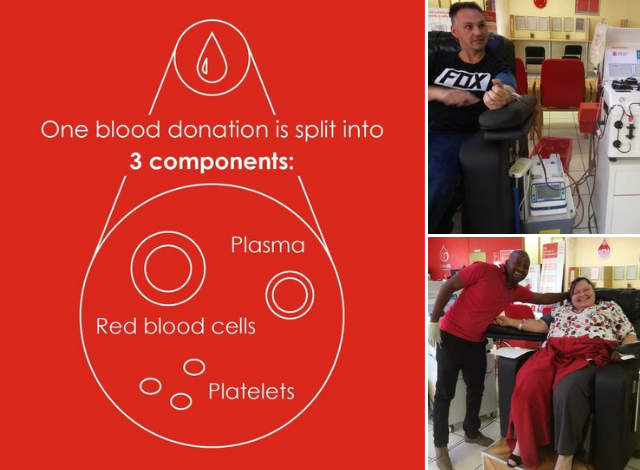
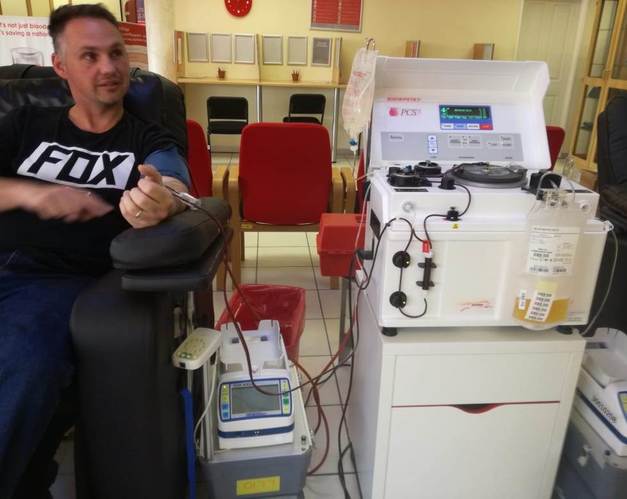
SECUNDA – The Secunda offices of the South African National Blood Services (SANBS) are now equipped with a special machine and the staff trained to collect plasma from willing donors.
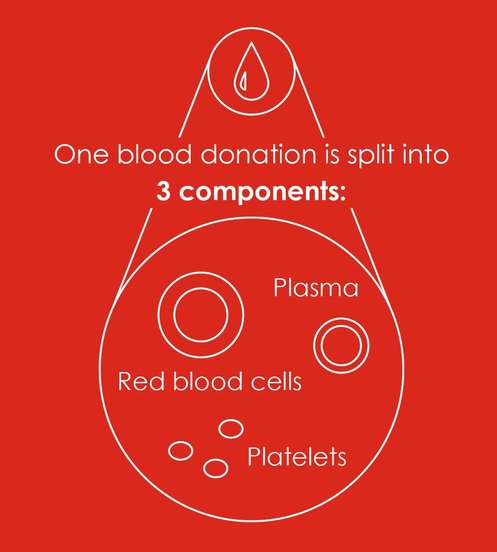
Plasma is the liquid part of your blood in which red cells, white cells and platelets are suspended.
It carries these components throughout the body and makes up about 55% of your total blood volume.
Plasma also contains antibodies, clotting factors and proteins such as albumin and fibrinogen.
You donate a bit of plasma when you make a normal whole blood donation, but you can also donate plasma only.
This is done through a process called plasmapheresis or source plasma donation where plasma is separated and collected while the red cells, white cells and platelets are returned to your body.
A potential plasma donor will undergo the normal screening process for blood donation which includes completing the donor questionnaire, having a one-on-one interview with a SANBS staff member and a mini-medical which includes blood pressure, pulse, hemoglobin and weight assessment.
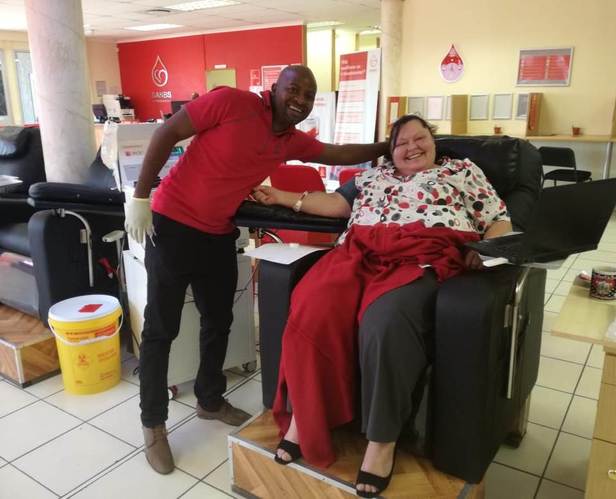
Once accepted, a high-tech machine is used to safely and quickly collect your plasma.
A needle is placed in the vein of your arm and blood is collected using a sterile disposable plasma collection set.
Your red blood cells, platelets and white blood cells are returned to you and at the end of the procedure, some saline (sterile saltwater) is infused into you to compensate for the around 650ml of plasma collected.
This procedure’s duration is about an hour.
Plasma is essential to saving lives.
Clotting factors, antibodies and proteins in plasma can be isolated and concentrated into various essential medicinal products used to treat people with rare, chronic diseases and disorders such as hemophilia, primary immunodeficiency, genetic lung diseases, severe burns, trauma and shock.
People with these conditions can live long and productive lives because of these treatments.
Although anyone who meets normal donation criteria can donate plasma, SANBS specifically need blood group A and AB donors between the ages of 18 to 65 years to consider donating this special source plasma. Blood group AB plasma is in high demand, because group AB plasma is universal and can be used by anyone regardless of their blood group.
You can donate plasma every two weeks to a maximum of 24 times a year. According to SANBS, donating plasma is generally safe.
Side effects can occur, but are mild and include dehydration, feeling light-headed, fatigue, discomfort or bruising at the site of needle insertion.
An anticoagulant is infused into the blood in the plasma machine during the process of plasma donation, before the blood is returned to your body. This prevents the formation of blood clots.
Most of the anticoagulant is retained in the plasma, but a small amount will enter your bloodstream. In some individuals this causes what is called a citrate reaction, such as a tingling sensation and or metallic taste.
The Secunda office has only one machine and donors must therefor book a donation session in advance.
Donors can either phone the office at 017 631 6600 or send an email to Dorothy.Prinsloo@sanbs.org.za.