Technician confirms bird flu case in Bapsfontein
During the first week of January a new case of the H5N1-strain bird flu in Nestpark, Bapsfontein has been positively identified.
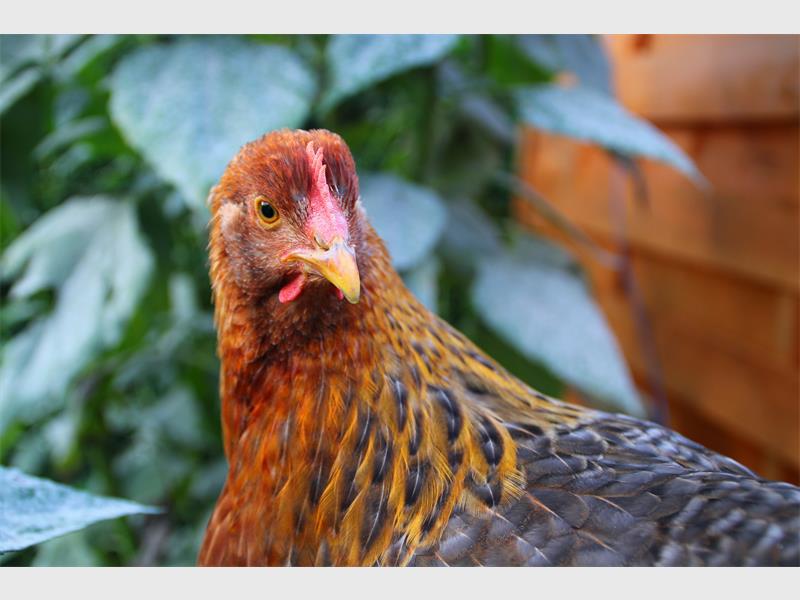
A case of avian influenza, or better known as bird flu, led to renewed concern amongst poultry and bird farmers.
During the first week of January, a new case of the H5N1-strain bird flu in Nestpark, Bapsfontein, has been positively identified and confirmed.
According to information received, all the affected animals have died or were culled.
Although the spread of the virus slowed down towards the end of 2021 after it peaked in March last year, it is not yet over.
According to statistics made available in September last year by the South African Poultry Association (ASA), a wide variety of animals were affected, including wild animal species.
“More than 3 million birds have been culled during 2021,” the ASA surveillance report for September 2021 read.
With the areas in and around Delmas, Bronkhorstspruit and Bapsfontein well-known for their chicken, broiler and egg farming, it is disturbing to know that most of the 3 million birds culled in 2021 came from the egg industry.
Of the total birds culled, 2 226 474 were in the egg industry and 795 882 from the broiler industry.
Of these, a total of 875 374 birds were culled in Gauteng and 34 000 in Mpumalanga.
According to Ms Karien Kruger, animal health technician, the incident of the H5N1 case in Bapsfontein has been confirmed with tests taken by the State Veterinarian offices in Germiston.
“Fortunately, humans are not affected by the N5H1-strain,” Ms Kruger said.
Should a farmer suspect that any avian species on his property is affected, they are urged to contact their State Veterinarian, an animal health technician or an extension officer.
Symptoms include ruffled feathers, loss of appetite, quietness and extreme depression, sudden drop in egg production, wattles and combs becoming swollen and congested, swelling of the skin under the eyes, coughing, sneezing, signs of nervousness, diarrhoea and haemorrhages on the hook.
According to the Department of Agriculture, Forestry and Fishery, bird flu is a disease listed under the World Organisation for Animal Health (OIE) Terrestrial Animal Health Code.
It is also a controlled animal disease listed under the Animal Disease Act, 1984 (Act No. 35 of 1984).
In the meantime, all producers are urged to remain vigilant and to adhere to biosecurity measures to reduce the risk of further infection.