Farmers are still upset about proposed mine near Bethal
Farmers still fight against department and company.
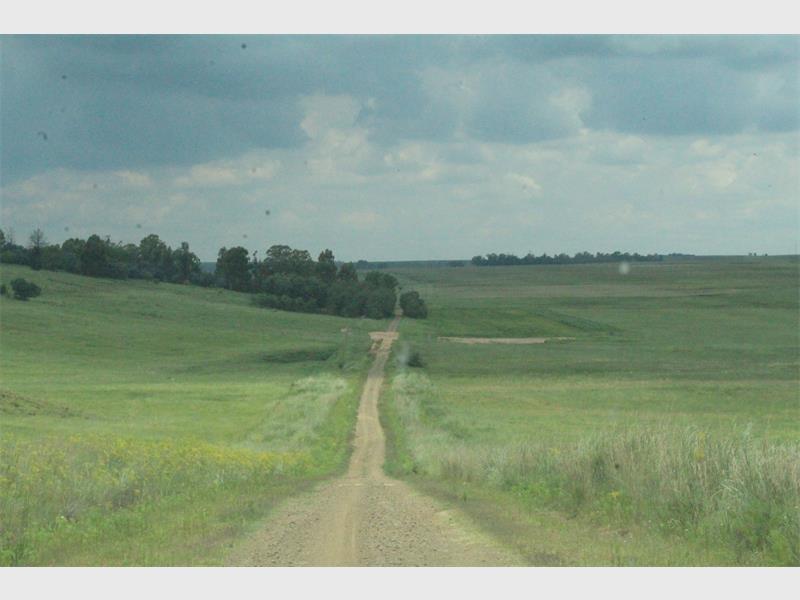
Farmers are still fighting for their rights and trying to prevent Canyon Coal from continuing with the Witfontein mining project.
This project is planned for farms between Bethal and Trichardt near Piekiespruit.
Vlam Venter, one of the farmers and the school principal of Hoëveldrif Privaatskool that is close to the farms in Bethal, has been fighting this battle since 2015 when the talks of such a project began.
Venter commented on the report of the project in 2017 and 2018.
He said most issues he had raised were not addressed.
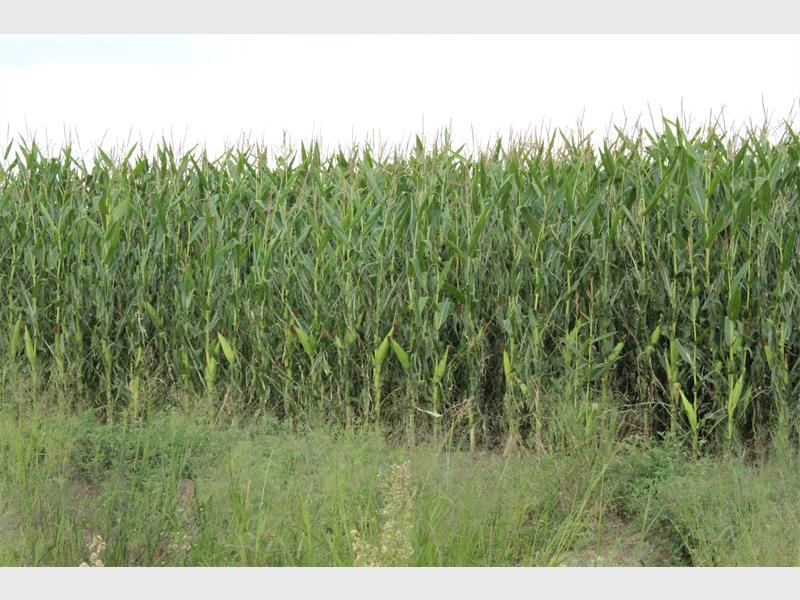
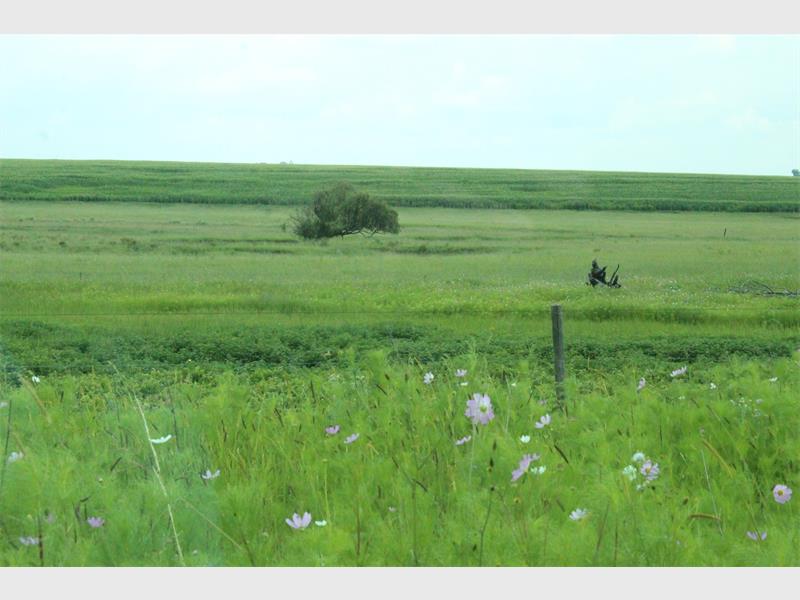
According to him, this particular piece of land was found to be the second-best agricultural land in Mpumalanga and should be protected under the Conservation of Agricultural Resources Act.
“From an economic and financial point of view, without an upfront commitment from a private company to invest in the right, agreed areas, this will be exploiting the land and people,” said Venter.
In his comments on the amended environmental impact assessment report, Venter also asked if it is really necessary to establish new mines in an already sensitive and destructed area for export purposes, without simultaneously investing some of the profits into new energy developments.
“Two of the senior environmental specialists of the company that compiled the studies, already emigrated.”
Some of the unanswered questions or requests from the farmers include an export/local balance and other neighbouring mining activities not taken into account, such as water, air quality, noise and sense of place.
“What bothers me the most is that we are allowed to comment and raise our concerns, but thereafter, we are expected or forced, to accept whatever comes,” said Venter.
“Once the mining rights are approved, without an upfront commitment from Canyon Coal, we have to negotiate via a complaint’s procedure and there are many examples of this issue.”
According to Venter, there were consultation sessions, but many of the promises made during these sessions have already been broken.
“In the studies and reports they use words like: ‘It should be considered’, ‘It is recommended’ and ‘it should’.
“What will be needed is an upfront commitment in all the areas which made part of a license to operate.
“Once a mining right is issued, how do you stop, for example, a failing transport management plan?
“If this public road becomes a mine road, the Department of Mineral Resources will have to treat all contraventions in the same way as other incidents at the mine,” said Venter.
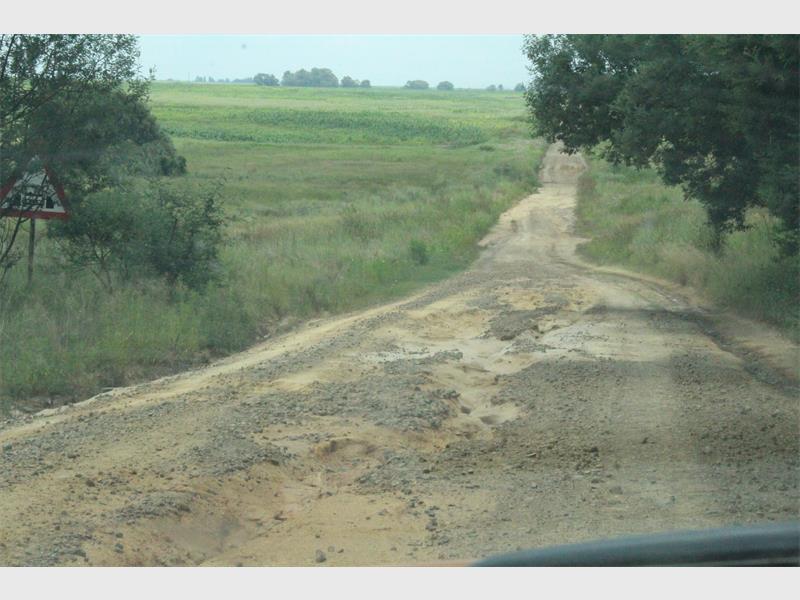
Another big concern for him and surrounding farmers is that there will be an increase of trucks on the road, going to and from the mine to monthly transport 100 000 tons of coal.
“That will be a killer on our roads. I have calculated it, there will be 332 trucks daily which means a truck will use this road every 2:56 minutes,” said Venter.
“Have they considered how these roads are going to carry all this traffic?
“Especially since the traffic will be increased tremendously because of the mine.
“How are they going to drive in the fog during the winter?
“To use a public road for the mine’s trucks and transport will only cause accidents.”
Venter asked the relevant parties who did the environmental impact studies and consultation sessions to show him only one mine that has been rehabilitated after mining finished and they could not show him one such a mine.
“South Africa is great with implementing new laws but very bad with applying those laws.”
Canyon Coal already managed to get a water license approved.
“We, as the community, were under the impression that they would still visit this area and consult with us before approving the license, but when I sent them an email last year asking how the developments were going, I received a reply that it was sent for the client’s review.
“So they did not even consult with the community here about the water license.”
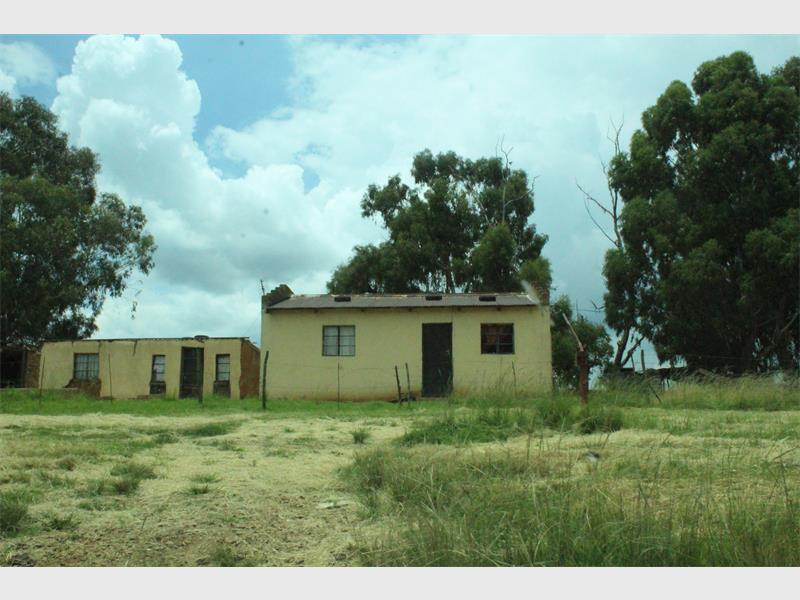
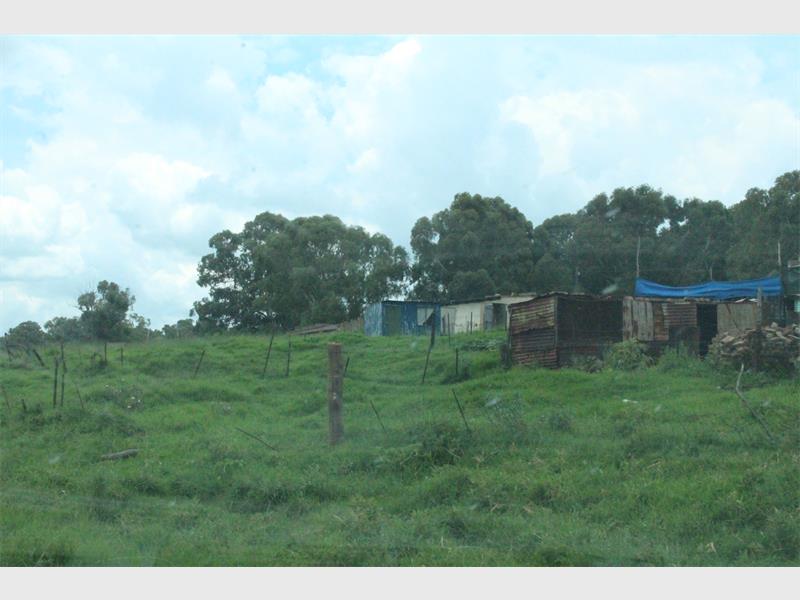
Families living in informal settlements in this area will probably have to find elsewhere to live and move.
In the meantime, Venter has had meetings with several role players, including EXM, the company appointed to do studies on the environment and responsible for implementing a rehabilitation program, Canyon Coal and the company that wants to open the mine.
He had another meeting with representatives of EXM and Canyon Coal in February after the Department of Mineral Resources suggested it.
However, by the time of the deadline for comments and concerns on February 7, Venter and other farmers still had not received any feedback of the meeting from the other relevant parties.
Venter said EXM and Canyon Coal wanted to address specific concerns raised by him as an individual, but it was not possible as he has a vested interest in the community and this project has an influence on the school, the church, Venter’s neighbours and the community as a whole.
“Thus we had to change the principles of the discussion, bargaining on positions will be fruitless,” said Venter.
“We decided to focus on solutions instead of problems and I challenged Canyon Coal to have no operations on Sundays and a willingness to commit upfront on investments which can mitigate several concerns simultaneously and can benefit them as well.”
The representatives could not answer several of Venter’s questions and said they would have to consult with their senior management before they could make commitments.
“Right now the ball is in their court.
“Their true intentions will now become clear and the way forward will depend on those intentions and the level of trust that can or cannot be established,” said Venter.
Divan van der Merwe, managing director of EXM Environmental Science, said to solve the problem with the increased traffic, the roads will be upgraded to carry the traffic and traffic control will be applied.
He said it can take anything from one to 20 years to rehabilitate a mine after the area was mined for 10 years.
Canyon Coal applied for a license for 10 years but can apply for an extension when the 10 years are over.
Van der Merwe said the process of rehabilitation includes that the area that was mined, must be placed back in a position where it is stable, not polluted and save again.
“The aim is to place the land that was impacted, back at a later stage in an economic way and to create crop farming for example,” said Van der Merwe.
“The process involves removing the infrastructure, moving the ground to re-establish the topography of upper ground and vegetation.
“For this specific mine, there was also a request to manage the acid mine water generation for many years after the mine closed.”
According to Van der Merwe, there are many global and local examples of coal mines that have been rehabilitated.
“Near Stoffberg and Middelburg, there are mines which are productive farms today.”
The Ridge Times sent emails to three representatives of the Department of Minerals and Resources, for comment, but they did not respond at the time of going to print.