
A day in the life of a Standerton midwife
Midwives typically care for the mother and baby from the prenatal stage up to the baby’s final six-week checkup, meaning that they often form deep bonds with the women who cross their paths.
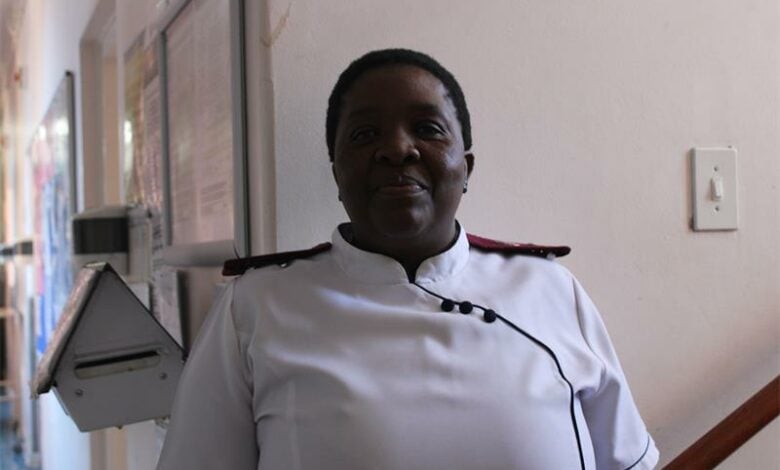
The most rewarding feeling is delivering a healthy baby and seeing the love in a mother’s eyes when she holds her child for the first time.
Busi Vilakazi, operational manager of the Standerton Hospital maternity ward, believes this is the best part of being a midwife.
Vilakazi started her journey 15 years ago at Amajuba Memorial Hospital in Volksrust.
Though she began her work in the male medical ward, Vilakazi has always had an interest in midwifery and would often make her way to the maternity ward when her patients fell asleep.
“After a while, the ward manager noticed strange handwriting in the books; she asked me if I was interested in Midwifery, and I was transferred into the maternity ward within the month,” explained Vilakazi.
Never looking back, she embraced this new change and quickly fell in love with this new role. She arrived in Standerton in 2022 and settled into her maternity ward role shortly after.
How to become a midwife
Vilakazi explained two options for aspiring midwives to join the field. Young students can obtain their qualifications through a four-year university course or a three-year course at a nursing college.
Though the college path only offers three years of on-campus study, applicants are required to complete two years of practical work at a hospital to obtain their degree.
A typical day
“A typical day in the life of a midwife can be hectic, as the maternity ward is generally busy,” explained Vilakazi.
After starting the day by taking rounds and allocating duties, midwives start with normal scheduled deliveries; however, unplanned emergencies often arise. Overall, the maternity ward can be one of the most unpredictable spaces in the hospital.
“Midwives need to make decisions on their toes that can have positive and negative outcomes and long-term effects,” said Vilakazi.
A midwife’s job is much more than just delivering babies and often starts before parents even choose to conceive. Midwives will consult a mother-to-be and will offer support and medical care, determining whether the woman would be able to carry to term, be prone to prenatal illnesses and much more.
In some instances, midwives can plan to shorten the gestation period if a mother should contract any prenatal illnesses.
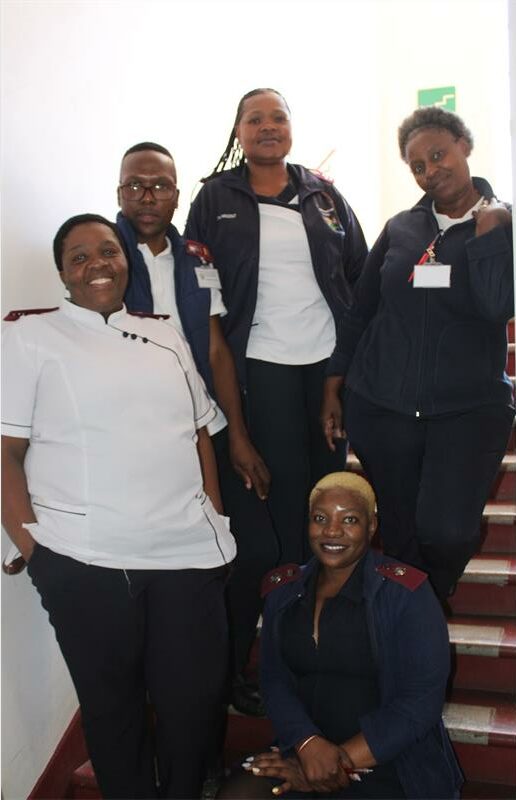
Front: Busi Vilakazi and Hazel Mazibuko.
Teenage pregnancies are high risk
“A major cause of maternal death in South Africa is hypertension, which is marked by an elevated blood pressure and affects one in three mothers,” explained Vilakazi.
Vilakazi explained that the most high-risk pregnancies consist among teenagers. Mothers between the ages of 14 and 16 have the highest likelihood of complications during pregnancy because their bodies are not ready to handle the physical and emotional strain of carrying a baby.
She explained that teenage pregnancies have a life-long impact on young mothers. According to Vilakazi, teenage mothers have a higher risk of hypertension and heavy bleeding during and after birth.
“Besides the physical strain on their young bodies, they also suffer deep psychological trauma during pregnancy.
“Mothers need a great deal of psychological support, and teens often feel like they cannot speak to their parents about their pregnancy, meaning they do not get the help they need when they need it,” said Vilakazi.
She stated that suicide rates among pregnant teens continue to rise in South Africa due to a lack of proper care and support.
Vilakazi pleads with young girls to focus on their studies and avoid pregnancy at such a young age.
Midwifery has ancient roots
As the ancient description for midwifery states, a skilled woman assists in childbirth, supports women during pregnancy and labour, cares for the newborn, and offers advice on pregnancy and how to care for themselves postpartum.
This description is still accurate today, even though many men have approached the field, and technological advancements have made childbirth safer for both the mother and her baby.
Midwives typically care for the mother and baby from the prenatal stage up to the baby’s final six-week checkup, meaning that they often form deep bonds with the women who cross their paths.
They offer lactation counselling, support and care for new mothers and round-the-clock support for patients with high-risk pregnancies.
“Often, we see mothers who have suffered multiple pregnancy losses give birth to their first healthy child; these moments of hope and love fill our hearts with so much joy,” stated Vilakazi.
The challenges of the job
She explained that the job is not without its challenges. From miscarriages to stillbirths, midwives share in the pain a mother feels when she loses her baby. Maternity wards are often understaffed, causing massive workloads for the staff on hand.
The rewards
Midwives typically end their days with sore feet and mental fatigue but full hearts and a sense of purpose.
“To me, it is the most fulfilling job in the world, but if you do not love it, you will not enjoy it,” stated Vilakazi.