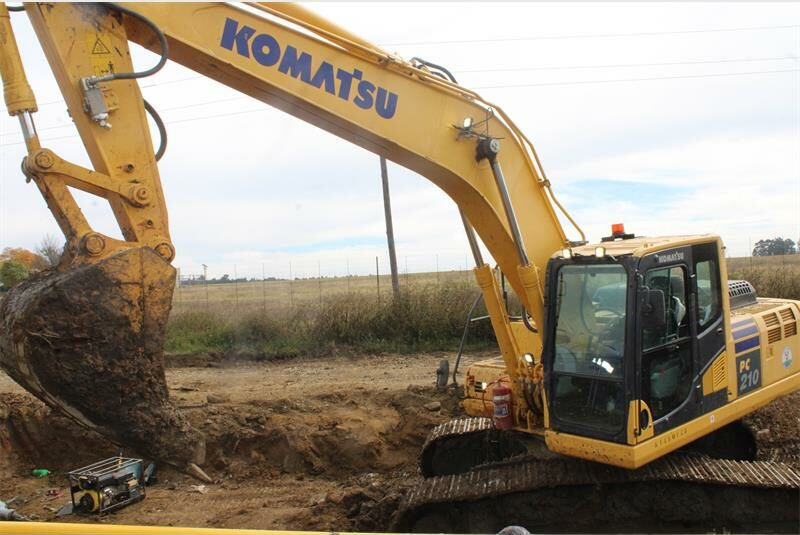
Plant refurbishment will alleviate water shortages in Standerton
During a fact-finding mission at the WTP, Clr Alberto Franco explained the WTP processes and procedures, from water extraction to the final product.
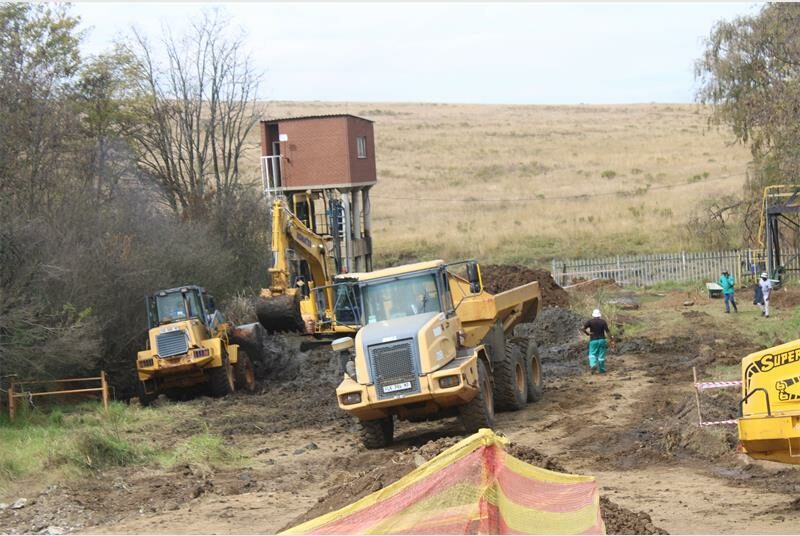
The Standerton water treatment plant (WTP) is undergoing massive refurbishment. During recent budget and Integrated Development Plan meetings, MMC Thabang Motaung explained that due to high water loss and low water pressure in dilapidated reservoirs, a R164m refurbishment project was launched in September 2023.
How does the WTP work?
During a fact-finding mission at the WTP, Clr Alberto Franco explained the WTP processes and procedures, from water extraction to the final product.
Franco said the process starts when water is extracted into the sludge dams from the Vaal River. Water moves from the sludge dams to the first filtration process using a gravitational system, saving on electricity costs for pumps.
“During the first filtration process, flocculant is added to the water, which allows for clumping of heavy materials,” explained Franco.
The heavy materials stick to the sides of the first filter. The water is then extracted to the second round of filtration, where it passes through a thick layer of filtration sand and plastic filters that catch the remaining particles in the water.
Franco said the next step is chlorine treatment, followed by chemical treatment to ensure the removal of any bacteria in the water. After intense treatment, the clean water is sent to storage dams and distributed to the respective pump stations.
“The water is tested after each process to ensure quality,” stated Franco.
According to Franco, several parts of the WTP are not up to standard, including leaking and disconnected pumps and misplaced electrical systems.
ALSO CHECK: Terra Nova plans new estate in Trichardt with serenity in mind
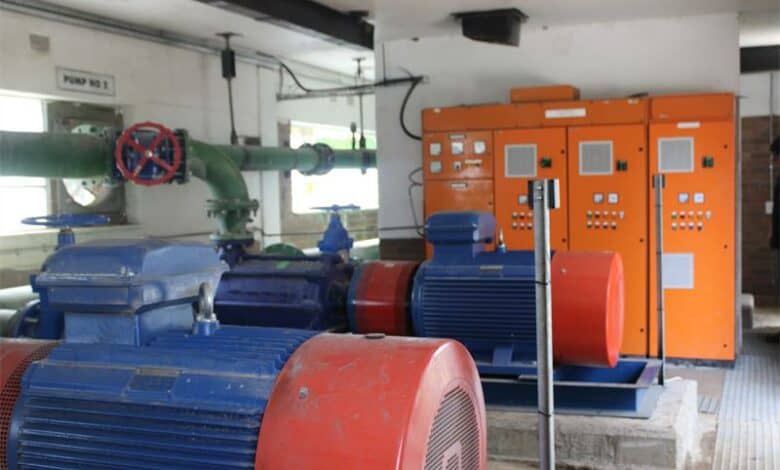
Franco said there are five pumps in the Concor pump station, but only two work. This station provides water to Ward 8 and Astral and works on a valve system.
“If all five pumps worked, water distribution to these areas would not be a problem and the valve system would not be necessary,” explained Franco.
In several pump stations, the electrical control panels are not high enough to be considered safe should there be flooding.
According to Franco, this is not up to standard. Franco hopes the refurbishment will lead to reduced water shortages in all wards in the Lekwa Municipality.