
Plant your own vegetable garden this spring
It is important to find the correct balance for what you plant, or perhaps make two smaller patches, one in the shade and one in the sun.
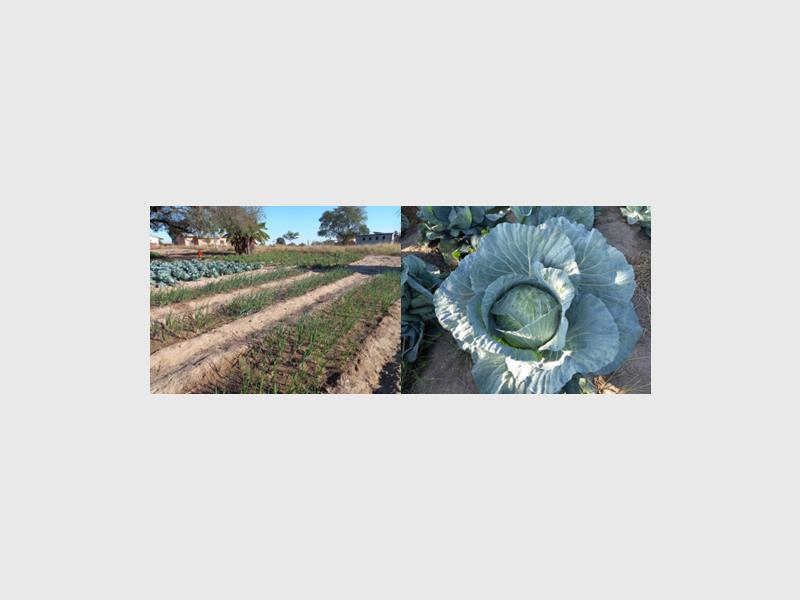
With the high cost of living and rising food prices, many South Africans are struggling to put food on their plates.
September is planting season in South Africa, and the climate and soil in the northern parts of our country, especially Limpopo, Mpumalanga and Tshwane, are perfect for growing crops. Premier FMCG, together with Food & Trees for Africa, are planting more Super Sun school vegetable gardens this year and are sharing their top tips on how to plant your own vegetable garden this spring.
“What better way to enjoy the warmer and longer spring days than by planting your very own vegetable garden? You will have plenty of fresh vegetables to add to your meals, giving you the nutrients you need for a healthy diet.
“This is both affordable and worthwhile for the South African family,” said Sibongile Mooko, marketing executive at Premier FMCG.
“Not only will you be saving money, but there is also something really rewarding about eating fresh food that you’ve grown yourself,” she added.
According to Premier FMCG, with some good preparation, growing your own veggie patch, can be simple.
It is important to plan how much space you need. Ask yourself how many vegetables you would like to grow. A few square meters is usually enough to grow the basics at home.
However, if you are thinking big and want enough to feed your family completely, working together with other members of your community to plant more vegetables together is a great idea.
Good, fertile soil is rich in nutrients and dark in colour. If your soil is dry, sandy, or very tight, consider buying some topsoil and fertiliser. You could even start your very own compost heap.
Sunshine is important. Too much or too little, and your veggies will not grow. It is important to find the correct balance for what you plant, or perhaps make two smaller patches, one in the shade and one in the sun.
Be sure to plant where your vegetables will be protected and safe from strong winds. Choose a mix of your favourite vegetables and herbs and follow the instructions to space them out correctly.
Consider planting the most nutrient-dense vegetables and herbs that are good to plant in spring. These include spinach, garlic, green peas, asparagus, beetroot, eggplant, tomatoes, red cabbage and cauliflower.
Different plants soak up different nutrients from your soil. In order to avoid using all its nutrients, rotate/change your crops around by planting a different vegetable in each section after every harvest.