Load-shedding has immense consequences, especially at Lekwa
Tripping of power is par for the course and interruptions occur without rhyme or reason.
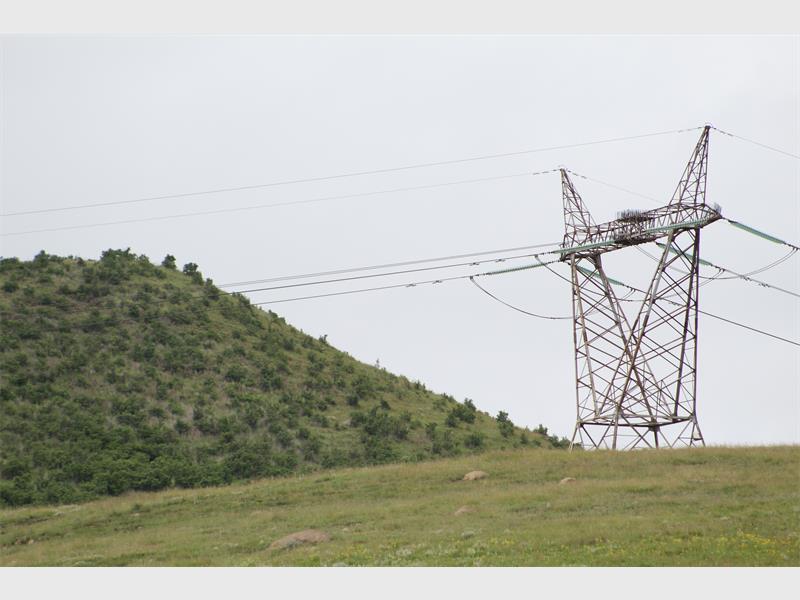
Load-shedding from Eskom once again reared its ugly head.
Arnot, Duvha, Kendal, Medupi and Tutuka were the power stations where breakdowns occurred.
In a letter dated September 6, Eskom said there was a shortage of generation capacity and delays in returning a generation unit to service at Hendrina Power Station, added insult to injury.
Load-shedding was envisaged for the whole week till Saturday night.
The business community in Standerton endeavours to keep the business ticking over, with prices of petrol and diesel for generators surely to be budgeted for.
Smaller businesses without generators simply grind to a halt and some closed their doors in the fear of theft taking place.
The implications of this plan by the power utility as regards demand and supply, are enormous.
Eskom however, has been arguing convincingly that municipalities’ debt has sky-rocketed.
Lekwa Municipality is no exception and the latest figure stands at R1.6-billion, meaning that no dent is made in the outstanding debt, whatsoever.
Interest is being paid off.
Residents face internal load-shedding as well when the notified maximum demand of 55 is exceeded.
Lekwa did not honour their repayment agreement in the past and Eskom decided to hold them accountable, introducing the 55 notified maximum demand.
Some locals furthermore, are unsure in which substation their properties fall since the times for interruptions do not correlate with the municipal schedule.
Tripping of power is par for the course and interruptions occur without rhyme or reason.
A lengthy legal battle has ensued between Lekwa Ratepayers Association (LRPA) and Eskom of which the verdict is awaited.
The Constitutional Court will have the final say in this case.
The Standerton Advertiser published an article in June about the reality of living on the Highveld in winter.
Messages on a WhatsApp-groups requested locals to switch off all geysers and appliances to prevent an overload.
Water supply is the next domino to fall as the reservoirs and water treatment plant have to be operational.
Louis Delani Thabethe, executive mayor, previously said a bankrupt municipality was inherited.
The LRPA said on June 23 that the community needs to look at alternatives.
Council had a meeting on August 31 and the municipal manager was mandated to investigate alternative avenues of electrical supply.
The association has stated their willingness to work with the municipality.
More than one resident voiced their fears of appliances going kaput.
A businessman in town who has to run a generator during load-shedding, said on Wednesday, September 7 that the expense is enormous.
He also said the electricity bill remains the same.
Municipalities in Mpumalanga owe Eskom R13 253 billion, with Lekwa ranked third in order of debt.
According to a media statement of April 28, the debt is crippling Eskom’s service delivery.
At the end of March this year, 10 municipalities’ total outstanding debt amounted to R13 253 739 590.
Eskom supplies bulk electricity to its municipal customers which is re-distributed and consumed.
“These municipalities receive government grants, as well as payment for services rendered from their loyal customers,” the statement read.
“However, Eskom remains unpaid for the electricity consumed by these municipalities.”
The top four municipalities in debt, on average, accounts for 86% of the overdue debt in the province.
Eskom said the debt continues to threaten their commitment to ensure continuity of supply and the ability to maintain the network.
The argument that municipal accounts are paid regularly and in full, vanishes into thin air.