
Bapsfontein vet warns about rabies
Vaccination and education is key to the prevention of the disease.
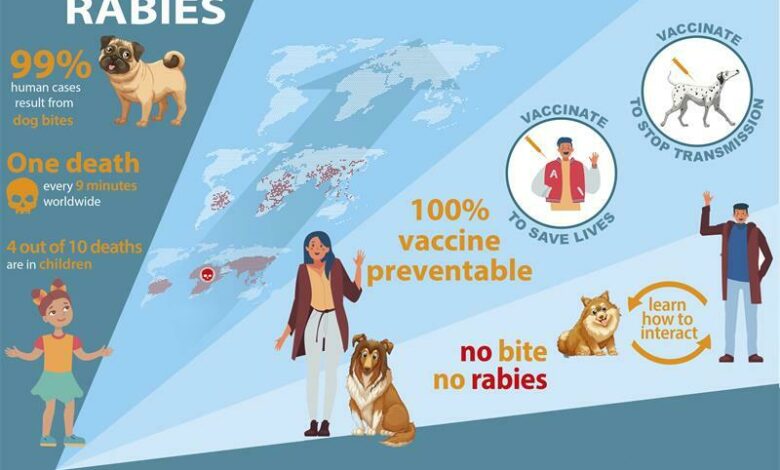
A case of rabies has been confirmed in Kromdraai. Dr Everett Olivier from the Bapsfontein Animal Hospital said the sick dog was brought from KwaZulu-Natal and has had contact with other animals.
“That is why we must ensure everyone does their part to avoid a possible outbreak.”
According to Olivier, cases in Gauteng are rare because many animals are vaccinated. He said more rabies cases are regularly reported in Limpopo, Mpumalanga and KZN.
Rabies is 100% fatal but also 100% preventable through yearly vaccinations. It is the only disease known to man with no cure or treatment once signs of infection show.
However, the infection can be stopped if action is taken immediately after being bitten or scratched by a rabid animal.
Although many city dwellers believe this a ‘farm animal’ disease, it is carried and transmitted by all warm-blooded animals. Dogs are the source of the 99% death rate among humans who have contracted rabies.
What is rabies, and how is it transmitted?
Rabies is a contagious viral disease affecting the central nervous system of dogs and other mammals. Once the symptoms appear, it is 100% fatal. It spreads via the saliva of the infected animals, either through bites or scratches.
In rare cases, rabies can spread when infected saliva gets into an open wound or the mucous membranes, such as the mouth or eyes. Olivier says the virus can survive in humans and animals for months before clinical symptoms show.
Does rabies have a cure?
There is no cure or treatment for animals or humans. Once the infection has set in and the clinical symptoms show, the virus moves to the central nervous system, and progressive and fatal brain and spinal cord inflammation develops. This process can last between three and 12 weeks.
Rabies symptoms in animals
The symptoms in animals include cerebral dysfunction, cranial nerve dysfunction, ataxia, weakness, paralysis, seizures, difficulty breathing, difficulty swallowing, excessive salivation, abnormal behaviour, aggression, and/or self-mutilation appear within days of infection.
Rabies symptoms in humans
The first symptoms are usually flu-like, including weakness, discomfort, fever, and headaches. Itching or prickling sensations can also appear near the bite or scratch. Symptoms progress to cerebral dysfunction, anxiety, confusion, and agitation.
What animals can contract rabies?
Any mammal can get rabies. The most common wild reservoirs of rabies are meerkats, mongooses, skunks, bats, and foxes. Domestic mammals can also get rabies.
How do you check if an animal has rabies?
Only a laboratory test can be sure, but animals act strange when infected. Aggression, drooling and wanting to bite humans or other animals are tell-tale signs of possible infection.
What must you do when you think a rabid animal bit?
Wash the area well with water and soap and cover it with a bandage. Go to the nearest doctor or emergency department. Do not delay. The doctor should not suture the wound because this will spread the virus in the exposed area.
“The faster you get treatment, the better your chance of survival,” said Olivier.
According to Olivier, your doctor will likely give you a series of vaccinations. Keep a record of the dates of each injection, and be sure to complete the course.
What do you do if a rabid animal bites your pet?
Get your pet to the nearest vet. If its vaccinations are current, a booster shot should immediately be done. Observe the pet for a while afterwards. However, if your pet’s vaccinations are not up-to-date, the vet will likely recommend immediate euthanasia.
Rabies: prevention
“Vaccination of all your animals, especially carnivores, that you are in contact with is vital to reduce your risk of contracting rabies,” said Olivier.
“Furthermore, never handle wild animals that act abnormally. For instance, a tame meerkat or jackal is as much of a risk as a stray, aggressive dog.
“It is advisable that dogs get vaccinated at 12 to 16 weeks and again within nine months from then.
“After this, the vaccinations are every three years, but it is recommended to do it once a year. Cats are vaccinated at 12 weeks and again within nine months of the first vaccination. After this, the same applies to dogs.”
If they are unsure about an animal’s vaccination status, Olivier warns people to keep their distance from it and keep their pets away too.
“Education is the key. Teach your family about the risks, how to avoid exposure and what steps to take in the event of an animal bite.
“Vaccinate yourself if you are high-risk. This will include people who often work with many animals like game rangers, veterinarians, animal welfare and laboratory workers,” advised Olivier.