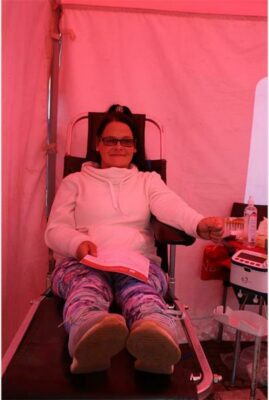
Support SANBS’ mobile drives in Delmas and save lives
The SANBS further stated that a unit of blood only lasts for 42 days after donation, so that’s why blood donors need to donate regularly.
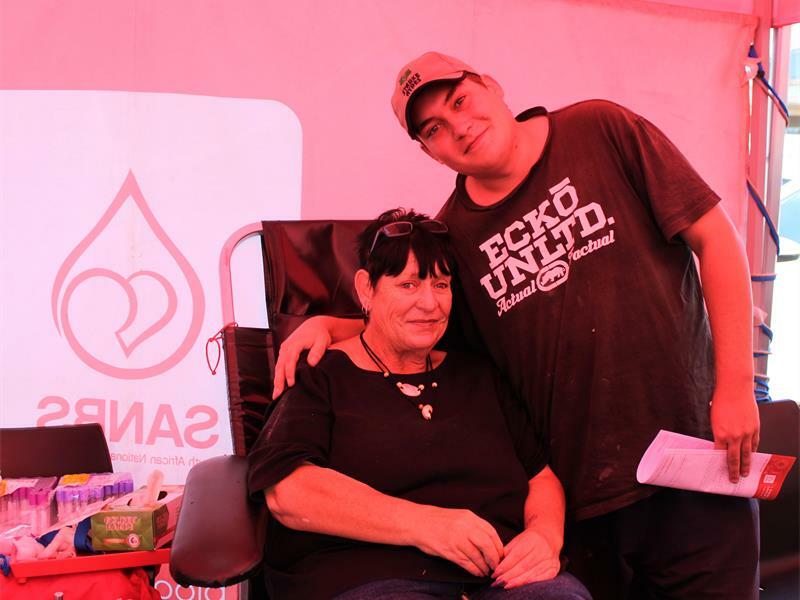
Mobile blood drives visit Delmas regularly. Streeknews met with the unit on May 6 at the Willowbrooke Square shopping centre.
It was a busy morning at the mobile unit, and friendly, helpful personnel assisted the donors. In the chair was a relaxed Nhlandla Shabnang.
“I work in the medical industry myself. As a nurse, I am more than aware of the need for blood in case of an emergency and cannot over-emphasise the need for the public to donate blood,” said Shabnang.
Ronelda de Jager told Streeknews that she lost her husband and child in a tragic car accident many years ago.
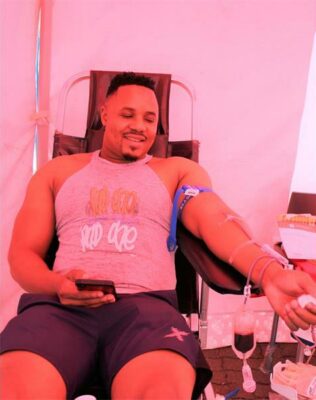
“Since then, I have become a regular donor. It is crucial for me to donate blood. By doing so, I might one day save the life of another accident victim in need of blood.”
Landie van Loggenberg said she donated blood to save the lives of others.
According to the South African National Blood Service (SANBS), less than 1% of South Africans are active blood donors.
The SANBS further stated that a unit of blood only lasts for 42 days after donation, so that’s why blood donors need to donate regularly. Donors can give blood as often as every eight weeks.
ALSO READ: SANBS appeals for urgent blood donations as supply is severely low
Every unit of blood is separated into red blood cells, plasma and platelets and can save a minimum of three lives.
The SANBS aims to collect 3 000 units of blood daily to ensure a safe and sufficient blood supply in the health care system.
Only about 5% of all donated blood is used as whole blood. By separating the other 95% into its components – red blood cells, platelets and plasma- many more lives are saved.
“Which is wonderful, considering the process takes only about 30 minutes. Your platelets can be used for a cancer patient, plasma to replace clotting factors in a trauma patient, and red blood cells for patients who needed surgery or suffered complications during childbirth,” the SANBS wrote on their online platform.
According to the SANBS, rated among the top blood services in the world, they supply over one million blood products annually.
“This pedigree comes as a result of world-class testing and collection protocols which ensure that the blood which is transfused is always top quality.”