
Know the signs of an asthma emergency in children: A paediatrician’s message to parents and teachers
Asthma is the most common non-communicable disease among children and adolescents in Africa, yet it remains largely underdiagnosed
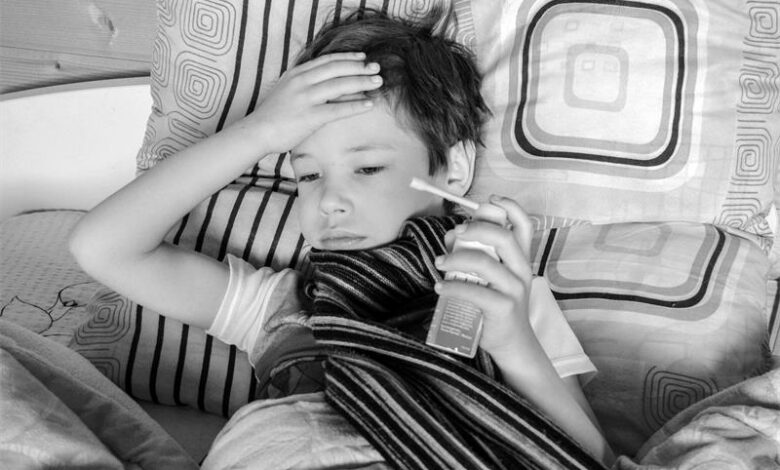
A child struggling to breathe is probably every parent’s worst nightmare. With South Africa facing one of the highest asthma rates in the world, this fear is a daily reality for families across every province.
Anyone caring for an asthmatic child must know the signs of an asthma attack, recognise it as a medical emergency, and understand how to respond appropriately when every second counts.
“All caregivers of children with asthma must have clear, written instructions from their treating doctor outlining exactly what to do during an acute exacerbation – a severe and potentially life-threatening asthma attack,” says Dr Refiloe Moreke, a paediatrician practising at Netcare Garden City Hospital.
According to the Global Asthma Report, asthma is the most common non-communicable disease among children and adolescents in Africa, yet it remains largely underdiagnosed.
“Acute asthma attacks in children typically present with an expiratory wheeze and varying degrees of respiratory distress. It is important for parents, teachers, and anyone responsible for caring for children with diagnosed asthma to recognise these signs early and seek medical help promptly,” she says.
Symptoms of respiratory distress
- Fast breathing
- Shortness of breath
- Worsening cough
- Chest tightness
- Use of muscles in the neck, shoulders, and chest that are not usually needed for normal breathing
- Feeling tired or weak
- Difficulty feeding, especially in very young children.
Plan of action
“When a child’s parents or caregiver recognise the onset of an asthma attack, the first step is to administer the child’s quick-relief or bronchodilator medication. A second dose can be provided 20 minutes later,” Moreke says.
“For severe attacks, parents or caregivers should immediately call for an ambulance or transport the child to the nearest emergency department for urgent medical care while initiating quick relief medication,” she advises.
Make everyone who cares for your child aware of the asthma situation
“Parents should alert their child’s school or other caregivers if their child has asthma and should share an action or treatment plan to be followed in case of an emergency. A list of triggers should also be provided, so that they can help help the child and other caregivers avoid possible exposure,” Moreke advises.
“While immediate emergency instructions are vital, managing asthma daily requires a comprehensive written action plan. This plan details not only the medications your child needs and the correct way to use them, but also ensures that caregivers, especially at school, have enough medication and know how to recognise early warning signs.
“An effective action plan will bridge the gap between emergency response and everyday care, providing essential protection when parents cannot be at their child’s side,” she says.
Asthma diagnosis in young children
“Diagnosing asthma in children can be very challenging, especially in very young children, because many of the symptoms overlap with other respiratory illnesses,” Moreke points out.
A thorough history from parents combined with a clinical examination is the most important factor in diagnosing childhood asthma.”
“Providing the doctor with information including a family history of asthma or allergies, and a list of the child’s symptoms, like breathing patterns, wheezing, coughing – especially at night, after exercise, or following exposure to allergens like grass, mould, house dust mites or pets, and how long these have been noted, is most helpful,” she says.
Confirming an asthma diagnosis is usually based on the demonstration of reversible airflow obstruction with spirometry.
“This is a test where the patient needs to exhale fully through a tube to measure the volume of air and rate of flow as they breathe out. Unfortunately, spirometry cannot be performed in children under five years old, further complicating the diagnosis of such young patients,” she explains.
Identifying and eliminating triggers
“Asthma is easier to manage when parents know what their child is sensitive to and can remove these triggers from the child’s environment,” Moreke says.
Common asthma triggers
- Respiratory infections
- Allergens such as house dust, dust mites, mould, grass, pets, and tobacco smoke
- Changes in temperature or weather, especially in winter or spring
- Physical activity
- Emotions and stress.
“Some triggers can be identified through allergy testing or the appearance of symptoms after exposure to a particular trigger. For triggers that are difficult to avoid – such as physical activity, environmental allergens, emotional factors, or respiratory infections – parents should be taught how to adjust their child’s asthma medication. This helps them better manage potential flare-ups that could occur at any time.
“Informed parents, grandparents, caregivers, and teachers are absolutely vital in ensuring the safety of asthmatic children.
“We can never assume someone will know exactly what to do in an emergency, which is why regular communication and clear guidance are essential. Staying prepared can make all the difference when it matters most,” concludes Moreke.