Deputy Minister calls for stronger industry action to improve air quality in Secunda
A Clean Air Community Dialogue was held at the Lillian Ngoyi Centre in Secunda on August 3.
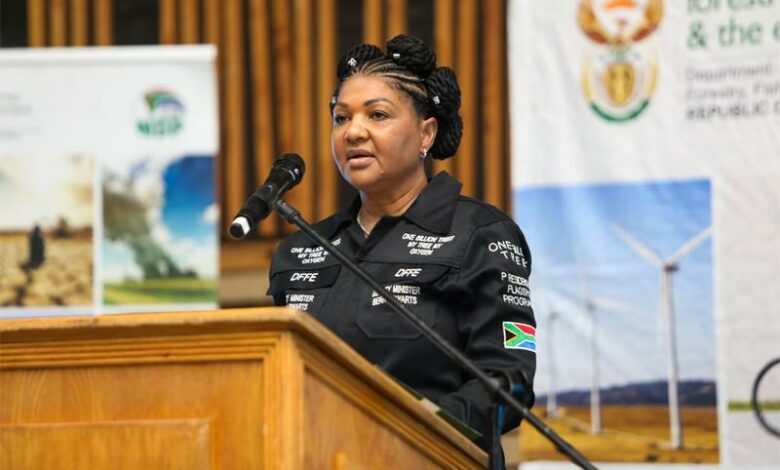
Deputy Minister for Forestry, Fisheries and the Environment, Bernice Swart, has called on industries operating in Secunda and the Highveld Priority Area to strengthen their commitment to reducing air pollution, saying clean air is essential for protecting public health, supporting sustainable economic growth and improving the quality of life of communities.
Swart was addressing a Clean Air Community Dialogue held at the Lillian Ngoyi Centre in Secunda on August 3.
The event brought together government officials, air-quality experts, businesses and community members to discuss air pollution challenges and identify practical solutions through collaboration.
“We are here because clean air is essential to human health, environmental sustainability and economic prosperity.
“The quality of the air we breathe affects every aspect of our lives, from the health of our children and elderly citizens to the productivity of workers and the long-term competitiveness of our economy,” said Swart.

She said the dialogue formed part of the Department’s Clean Air Conversations Programme, which provides a platform for government, industry, communities and other stakeholders to engage on air-quality issues and develop practical interventions.
Swart acknowledged Secunda’s significant contribution to South Africa’s economy through its energy, petrochemical, mining and manufacturing industries. However, she said these activities also place considerable pressure on air quality.
“Industrial emissions, mining operations, transport, domestic fuel burning, dust and the open burning of waste all contribute to the pollution burden experienced by communities,” said Swart.
She stressed that communities living near industrial operations should not bear a disproportionate share of the environmental and health impacts associated with economic development.
Swart said government remains committed to strengthening air-quality management, monitoring, compliance and enforcement, but emphasised that industries have a critical role to play because they have the resources, technology and expertise needed to reduce emissions.
ALSO READ: Standerton man appeals for help after surviving brutal hijacking
She called on industries operating in Secunda and across the Highveld Priority Area to demonstrate stronger environmental leadership by fully complying with atmospheric emission licences and minimum emission standards, investing in cleaner production technologies, improving maintenance and operational controls, strengthening emissions monitoring and public reporting, responding transparently to pollution incidents, supporting air-quality monitoring initiatives and implementing measurable emission-reduction plans.
She also encouraged industries to work closely with municipalities and communities to address dust pollution, waste burning and other sources of emissions.
“Environmental compliance should not be viewed merely as a regulatory burden; it is an investment in the long-term sustainability of business, communities and the economy,” said Swart.
She said cleaner production technologies can improve operational efficiency, reduce waste, manage environmental risks and enhance industrial competitiveness while creating opportunities in renewable energy, pollution-control technology, environmental monitoring, waste management and the circular economy.
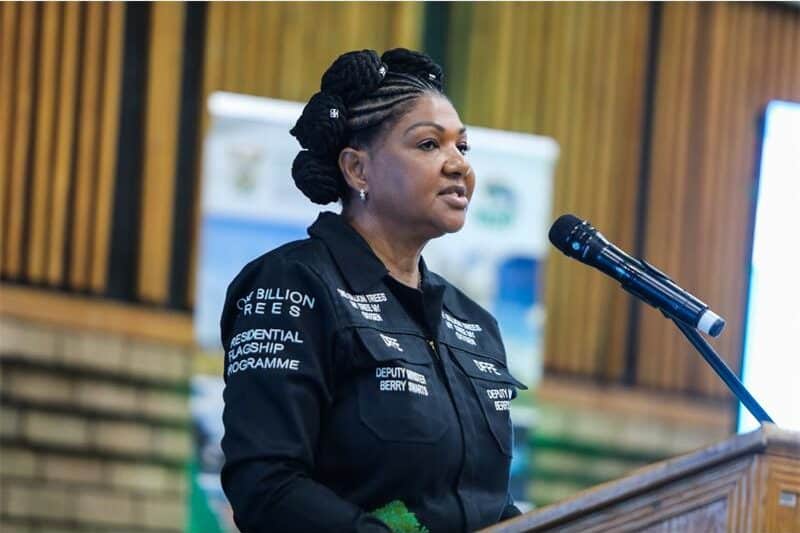
Swart added that South Africa’s transition to cleaner industrial operations should create opportunities for local businesses, young people and workers through skills development, local procurement, green entrepreneurship and decent employment.
She noted that air pollution carries high economic costs through increased illness, absenteeism, reduced productivity, pressure on the public healthcare system and a lower quality of life.
“Communities require information that is clear, accessible and timely; they need to understand what pollutants are being emitted, the possible health implications, what action is being taken and how progress will be measured,” said Swart.
She added that residents’ lived experiences should be recognised as valuable evidence in air-quality planning and decision-making because they are often the first to notice increases in dust, unpleasant odours and respiratory health concerns.
Swart concluded by urging industries to improve communication with affected communities, saying meaningful engagement requires more than presenting technical reports.