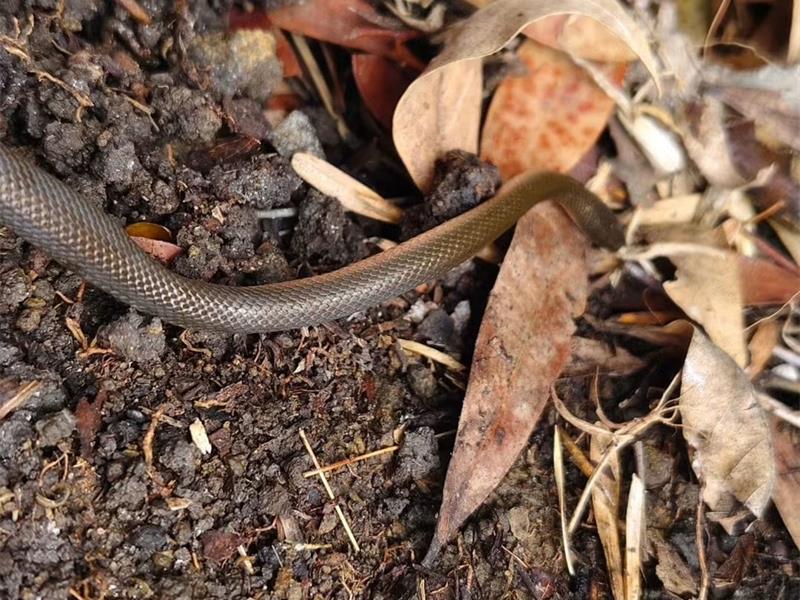
Snakes on the move as temperatures rise
Standerton snake handler Frans-Awie Vermaak reminds the community of these reptiles' important role in the ecosystem.
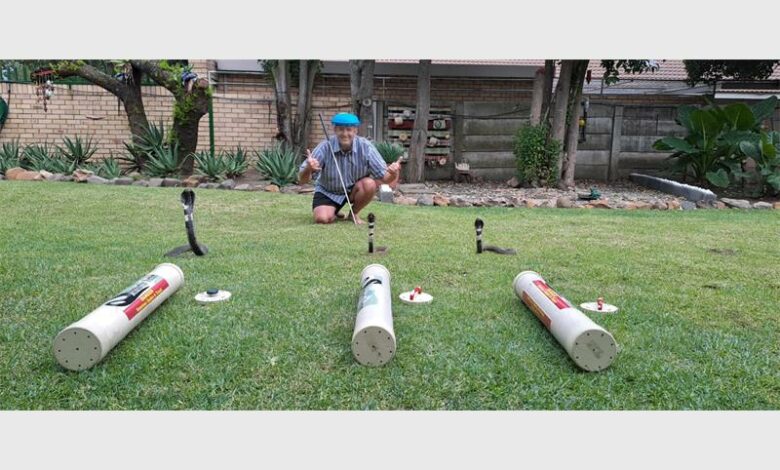
As temperatures rise and snakes emerge from hibernation and brumation, residents are urged to keep their distance and never kill the reptiles, which play a vital role in the ecosystem.
For people unfamiliar with snakes, the first instinct may be to believe that “the only good snake is a dead one”.
However, snakes play an important role in the ecosystem and provide natural pest control. Snake handler and permit holder Frans-Awie Vermaak of Standerton Venom has attended several snake sightings and removals in recent weeks.
Vermaak warned residents not to approach or kill a snake if they come across one.
“If you see a snake you can’t identify as harmless, simply take a step back and walk away. You do not need to kill wildlife to be safe,” said Vermaak.
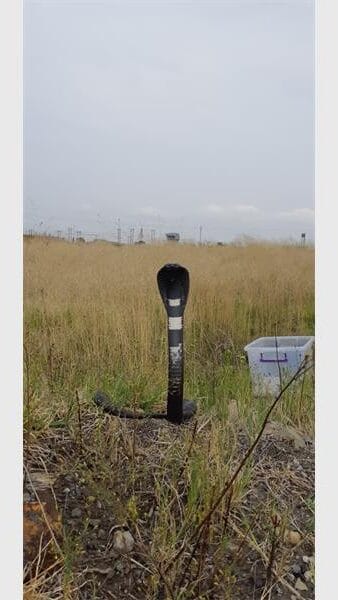
Snakes play an important role in keeping rodent populations under control by feeding on mice, rats and other small rodents. They help prevent these rapidly reproducing pests from becoming too numerous.
For farmers, this natural form of pest control can help reduce crop and grain losses caused by rodents. Fewer rodents can also help limit the spread of diseases associated with these pests.
“For me, releasing snakes means returning them to a suitable natural environment where they can continue their role in the ecosystem,” said Vermaak.
Snakes can also make their way into residential gardens, particularly where there are suitable hiding places.
Piles of rocks, bricks, wood and garden debris provide dark, sheltered spaces where snakes can rest and remain hidden.
Overgrown grass, dense bushes and untidy gardens offer additional cover while also attracting the small animals that snakes feed on.
During periods of extreme heat or cold, snakes may seek more suitable temperatures by moving into garages, sheds or even houses to regulate their body temperature.
According to Vermaak, snakes are generally more afraid of humans and would rather slither away to safety. However, when threatened or cornered, a snake may defend itself and bite.
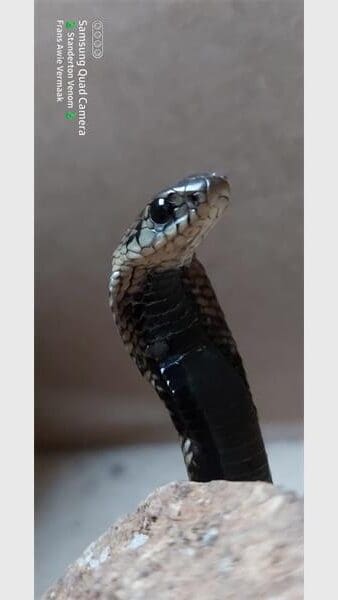
The most common snake in the Standerton area is the venomous rinkhals, which can grow up to 1.5 metres long.
Rinkhals commonly feed on frogs, rodents and other small animals and are known for playing dead when threatened, inflating their hood and spitting venom.
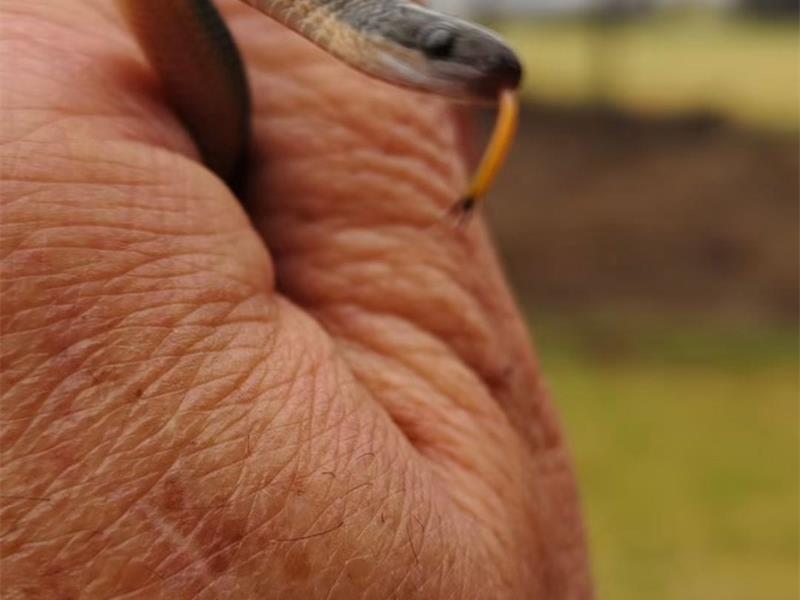
Other snakes sighted in the Standerton area include the highly venomous puff adder; the mildly venomous red-lipped herald, striped skaapsteker, spotted skaapsteker and spotted harlequin; as well as mole snakes, egg-eaters, aurora house snakes, brown house snakes, slug-eaters, Bibron’s blind snakes, brown water snakes and green water snakes, which are regarded as harmless, although some can still bite.
With his expertise in snake handling and removal, Vermaak monitors and cleans snakes before releasing them into a suitable ecosystem with minimal risk of human or livestock contact.
Vermaak emphasised the importance of keeping a safe distance from a snake and watching it until an experienced handler arrives.
What to do if you spot a snake
• Make sure you know where the snake is at all times.
• Do not kill the snake or allow anyone else to do so.
• Keep children, other people and pets away from the area.
• Do not approach or touch the snake. Many bites occur when people interfere with or attempt to handle snakes.
• If the snake is indoors, close windows and doors leading to other rooms.
• If it is safe to do so, place a towel along the base of the door to prevent the snake from moving into other areas.
• Contact a local snake handler for assistance.
• If someone is bitten, seek professional medical attention immediately.
• If it can be done safely, take a photograph of the snake to assist medical professionals with identification.
• Never attempt to catch or handle the snake to obtain a photograph.
For safe snake removal, contact Vermaak of Standerton Venom on 084 657 5093.