Secunda Wildlife Rescue gives injured wildlife a second chance
These organisations are working to rehabilitate animals and give them a chance to return to their natural habitat.
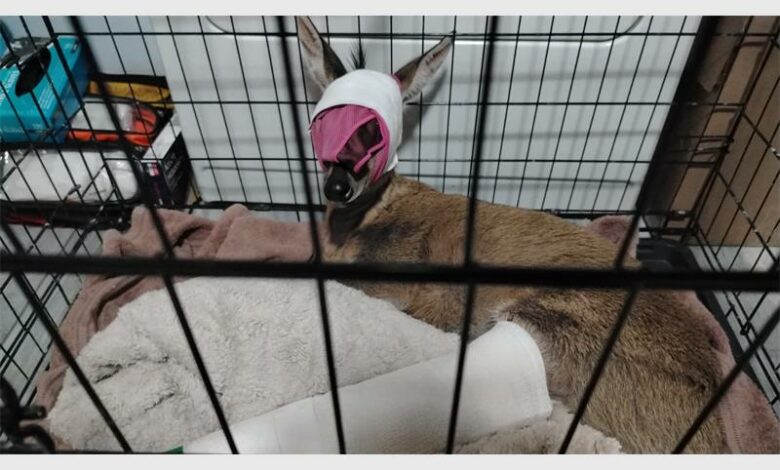
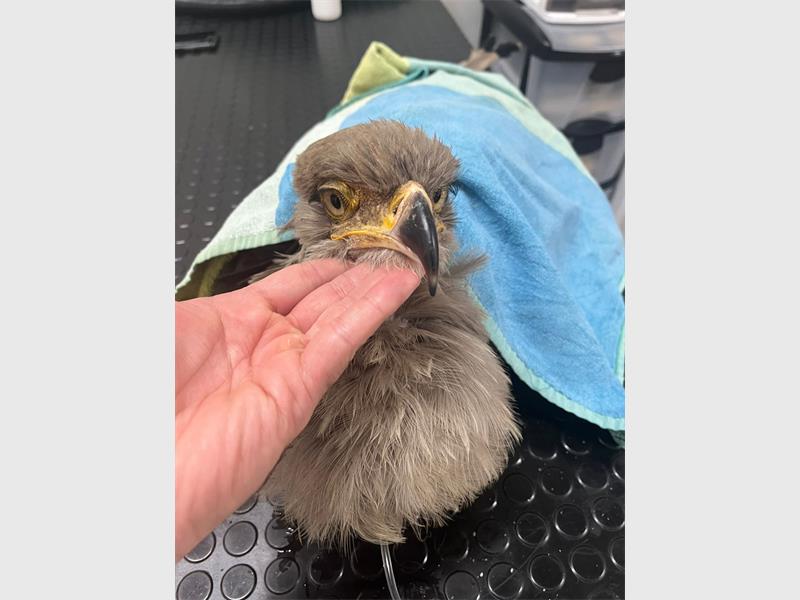
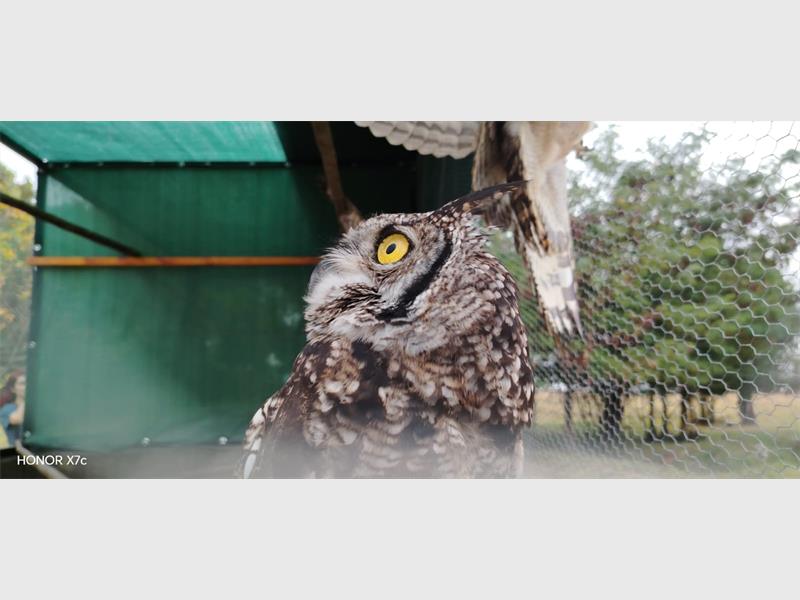
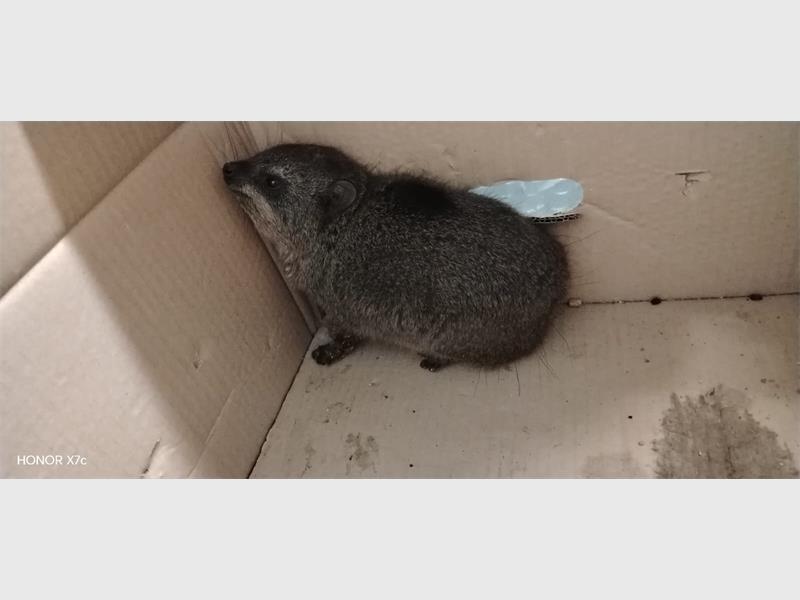
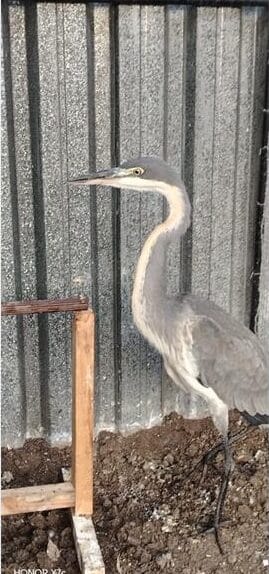
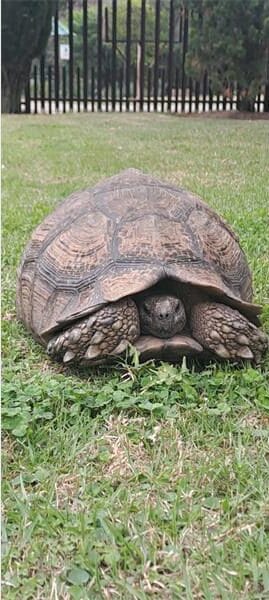
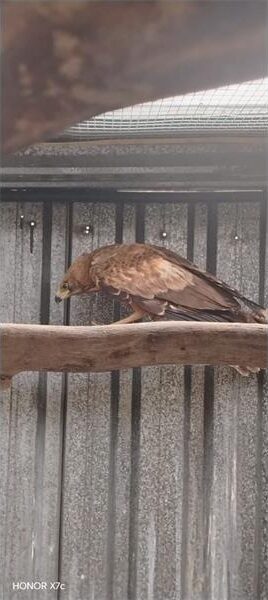
From owls, hawks and falcons to tortoises, duikers, serval cats and reptiles, Secunda Wildlife Rescue (SWR) and the De Clercq Wildlife Fund rescue, rehabilitate and release wildlife.
The non-profit organisation plays an important role in rehabilitating animals that arrive with severe injuries or as orphans.
With the help of volunteers, a veterinarian, experienced handlers and wildlife expertise, rescued animals are given a chance to return to the wild.
Some of the most common cases involve wildlife struck by motor vehicles, caught in barbed wire or electric fencing, or affected by secondary poisoning. Unfortunately, not all rescued animals survive due to the extent of their injuries and the stress they experience.
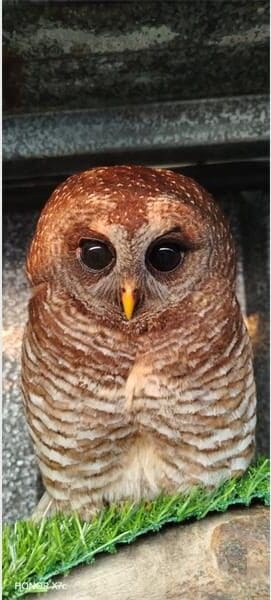
The organisation also assists with orphaned wildlife and animals that have fallen or been thrown from nests.
SWR was established in August 2025. Its volunteers include Tanja Ackerman, Zanelle du Toit, Jessica Ackerman, Armand de Clercq (falconer), Shayne and Bryan van der Heever (snake catchers), and veterinarian Dr Corné Viljoen of Innovavet Veterinary Clinic.
They work closely with the Dullstroom Bird of Prey and Rehabilitation Centre and are registered with the Mpumalanga Tourism and Parks Agency.
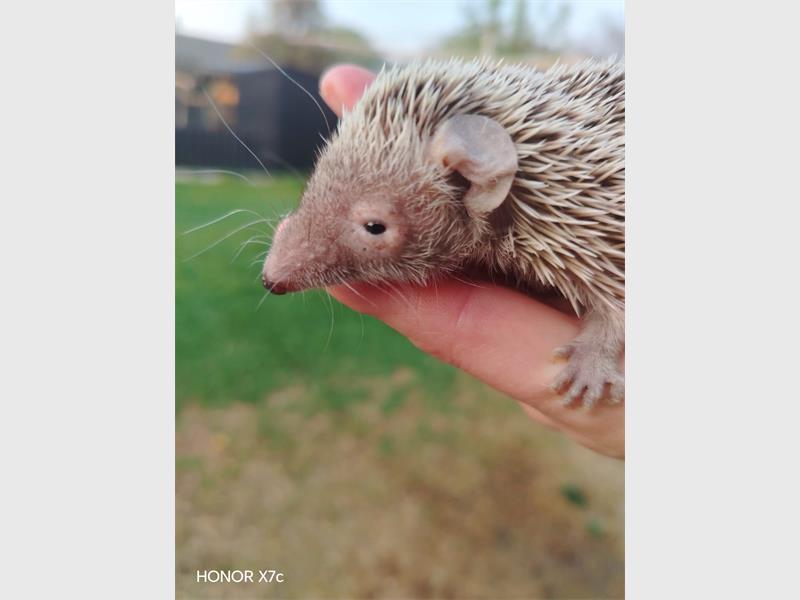
“It has been a busy year. We have set up some soft releases for our owls and bigger raptors, such as falcons and servals, and another for our tortoises, hedgehogs and chameleons,” said Ackerman.
The organisation does not disclose where it rehabilitates or releases wildlife because of concerns about wildlife trafficking. According to Ackerman, some wildlife populations have declined, particularly marsh owls.
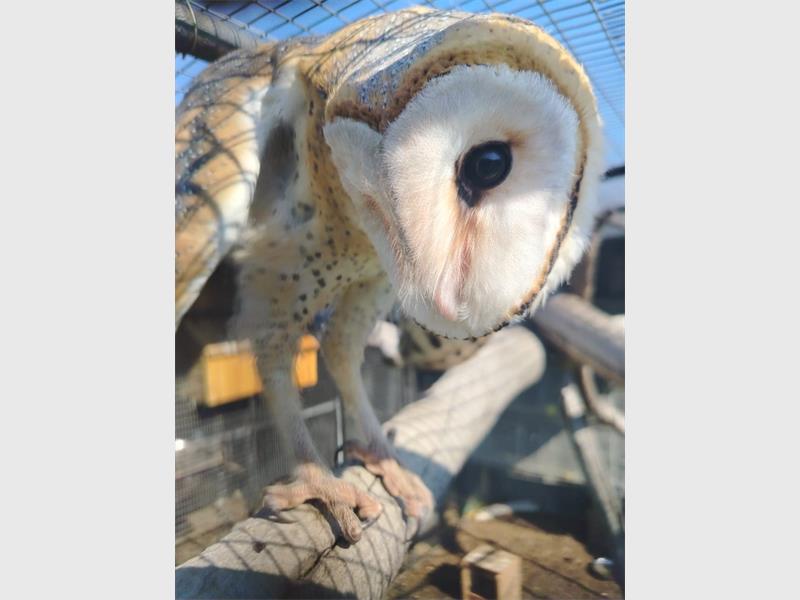
“Owls are needed for the environment as natural pest control. Unfortunately, people tend to put out rat poison to eliminate rodents, but owls catch these mice and get secondary poisoning.
“It is a long, slow and painful death where they bleed from the inside out. We administer vitamin K to reverse the poisoning, but sometimes it is too late,” said Ackerman.
She said wildlife trafficking is also a concern, particularly for chameleons.
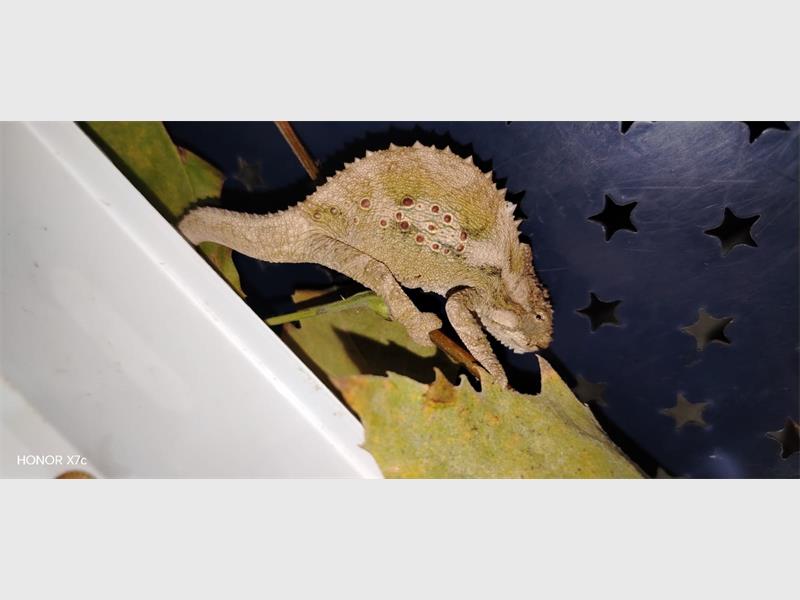
“In the Secunda area, we have mostly the Eastern Cape dwarf chameleon, and people will capture them and sell them. This is a contributing factor in the declining numbers and, as a result, they will eventually become an endangered species,” said Ackerman.
She said people often take wild animals as pets without understanding the care they require.
“People see it as nice to have, but when it gets sick, they don’t know what to do with it, so they dump it back into the wild,” said Ackerman.
Ackerman also raised concerns about exotic creatures being kept because they are considered cute, only to be discarded or released into the wild when owners can no longer care for them.
“The Wildlife Foundation focuses on our indigenous wildlife. If you have exotic creatures, please contact us and we will guide you on what to do.
“Do not dump them, or if you want to know about permits, we can direct you to the right authorities. We have a problem with exotics because it is hard to rehome them because of their specialist care,” said De Clercq.
According to De Clercq, the Highveld has the largest population of servals in South Africa, and the organisation receives injured and orphaned servals from the area.
“We get a lot of injured or orphaned servals in our area. Once rehabilitated, they have to be released back into the wild and get back their wild instincts and acclimatise back into the wild,” said De Clercq.
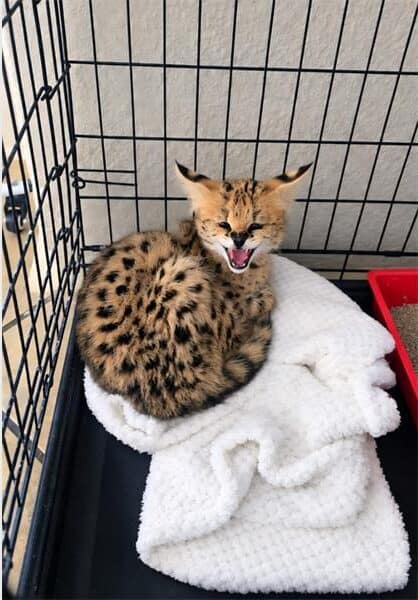
Servals are rehabilitated in Dullstroom before being brought back to the area, where they undergo a rewilding process in an enclosure for around four weeks before being relocated to a scientifically suitable area.
“We are constructing an enclosure for our servals. In this enclosure, it helps with acclimatising them back into field living, and there is a pulley system for feeding,” said De Clercq.
The pulley system encourages natural hunting instincts, such as chasing prey. The organisation relies on public funding, with donations used for veterinary bills, rehabilitation and feeding wildlife.
A barn owl can eat four to six mice or three to five day-old chicks a day, with feeding requirements increasing during breeding season. A chick costs around R3.90.
“We have cases of orphaned servals. This is due to the mothers being poached for their fur,” said De Clercq.
Veterinary costs range from around R400 for X-rays and can start at R1 200 upwards, depending on the treatment required. This only covers stabilising the animal and does not include rehabilitation.
Rehabilitation can take anything from two months to a year. Ackerman emphasised the importance of not killing, harming or attempting to capture wildlife.
If unsure how to deal with an animal, residents are encouraged to contact the organisation for safe removal.
“In wildlife, it gets difficult, especially when humans interfere. Sometimes the best thing to do is nothing. Even if your intentions are good, you can cause harm to the animal.
“When wildlife gets injured or is in a stressful situation, their whole metabolic system changes,” explained De Clercq.
Support the organisation:
De Clercq Wildlife Fund NPO, FNB Current Account: 63202815776, Reference: Sec. Wild. Res. Proof of payment: tanja.ackerman.ta@gmail.com
Direct veterinary payments:
Innovavet, FNB Current Account, Branch code: 210835, Account number: 63079451357, Reference: Sec. Wild. Res. Proof of payment: tanja.ackerman.ta@gmail.com
Follow the Secunda Wildlife Rescue Facebook page for the latest updates. For more information, contact Ackerman on 082 057 9157 or Van der Heever on 073 099 9929.