Red Star hosts first of its kind solar car challenge
The Ilanga Cup had been created for local solar teams to put their solar vehicles to the test in a controlled environment.
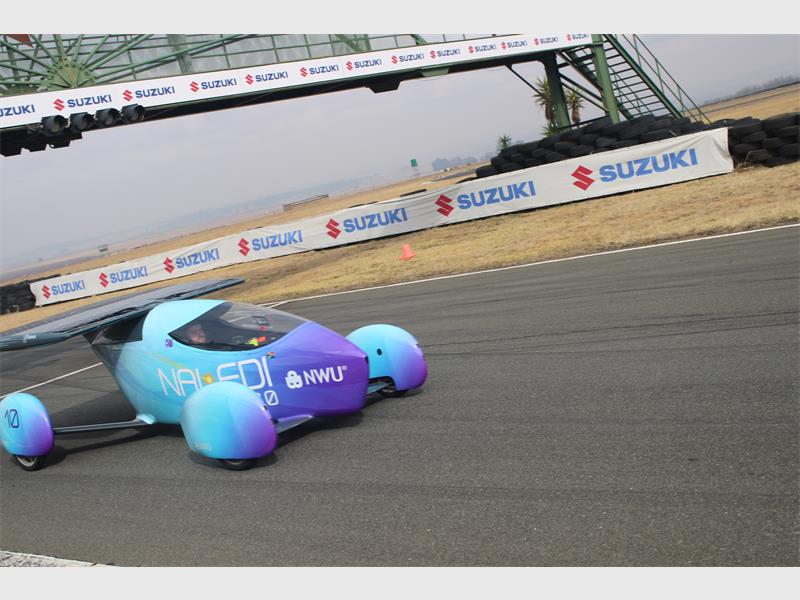
The Ilanga Cup is Southern Africa’s first closed-track endurance circuit event and serves as a platform for solar car teams to test their cars ahead of the South African Sasol Solar Challenge.
This race had been created for local solar teams to put their solar vehicles to the test in a controlled environment.
It is an eight-hour-long solar challenge/endurance event that focuses on driving the innovation of renewable energy.
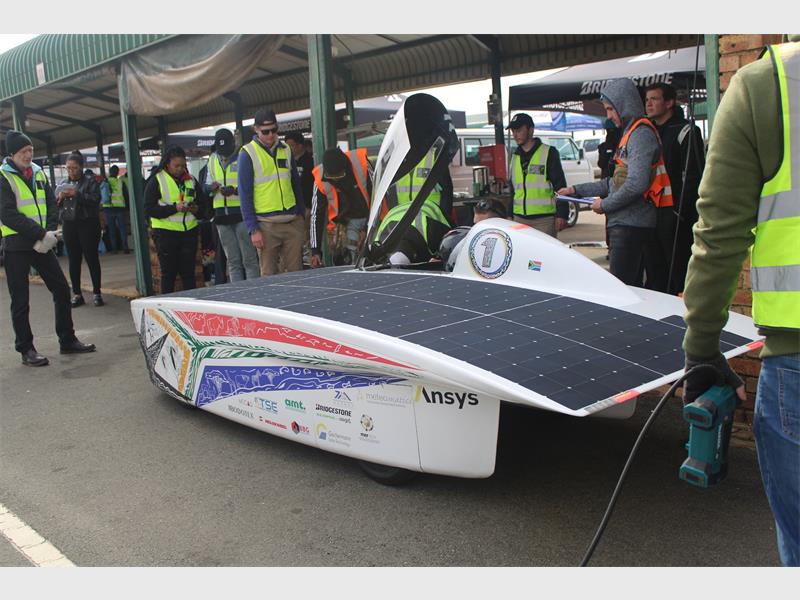
The Red Star Raceway in Delmas hosted the event from Wednesday, July 20 until Thursday, July 21.
The Red Star Raceway is a 4km closed-circuit technical track designed to have challenging corners.
This ensured a challenge for track users, while at the same time providing spectator value.
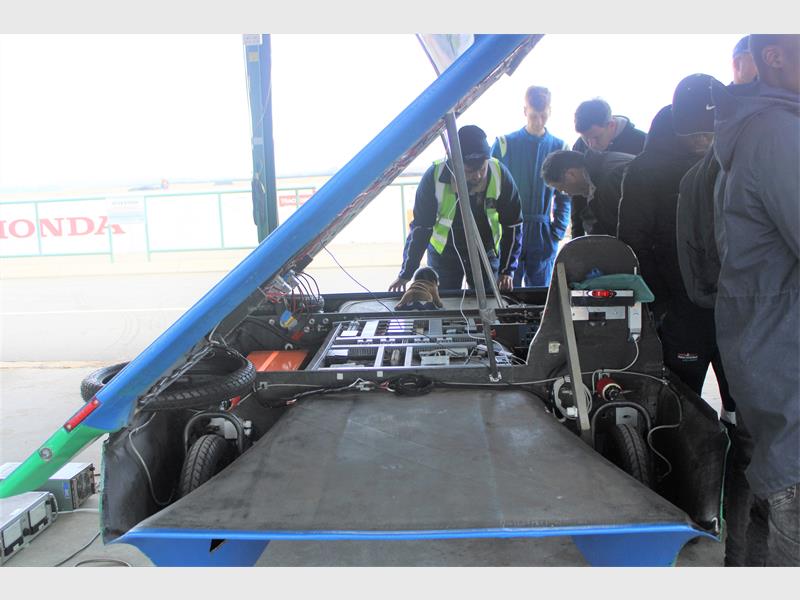
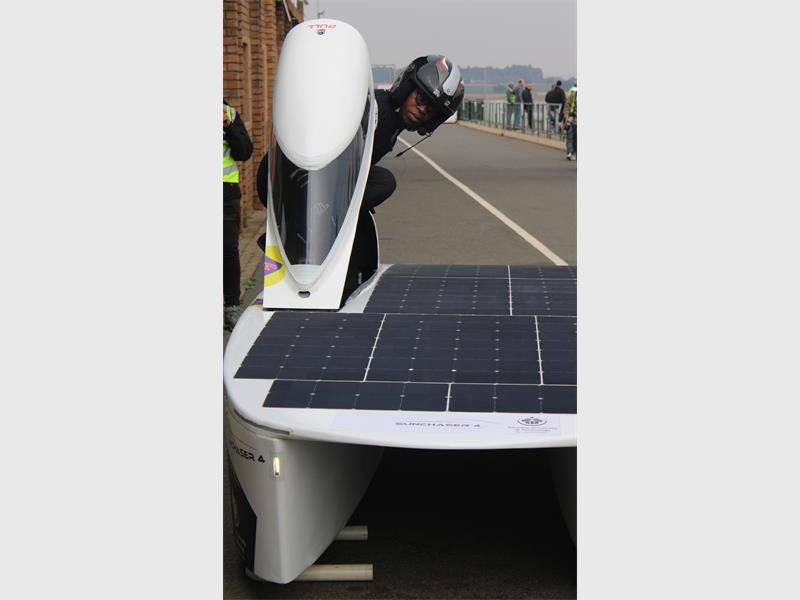
Solar car teams that competed in the Challenger Class at Red Star Raceway included new and experienced solar car teams, which comprised a team from the Tshwane University of Technology (TUT) in their car named SunChaser IV, the John Vorster Hoër Tegniese Skool in Pretoria in their Voltwagen, as well as a team from the University of North West (UNW) in their car, Naledi 2.0.
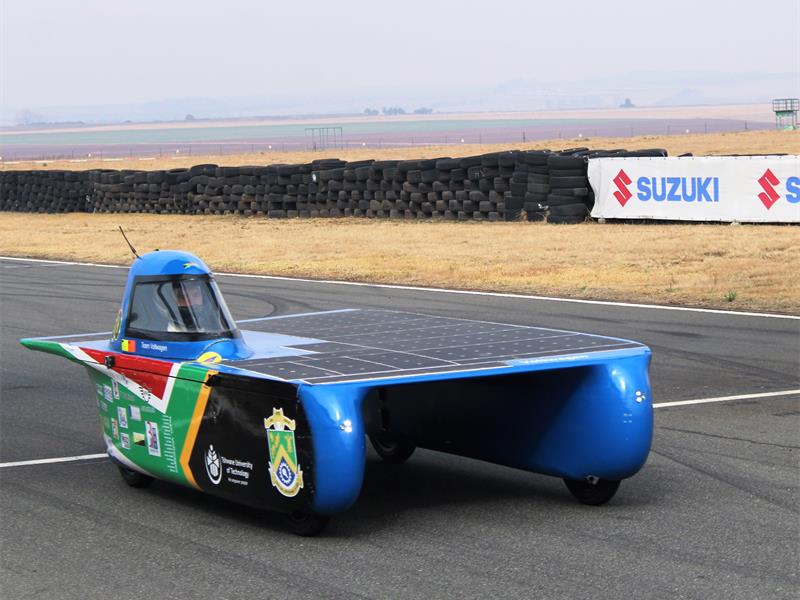
A teacher and solar car driver from HTS John Vorster, Francois Stolp, told Streeknuus that TUT donated their first car to the school.
“The genuine JV solar car team was formed by a partnership between our school and veterans of the Sasol Solar Challenge and the TUT solar team.
“The TUT solar team donated their 2016 solar car to the team in 2020. They also supported the team financially, as well as mentored and guided them to put the solar car together,” said Stolp.
“We are also grateful for this chance at Red Star Raceway.
“It is an excellent platform in which to test our car and our drivers and to improve on any shortcomings ahead of the Sasol Solar Challenge.”
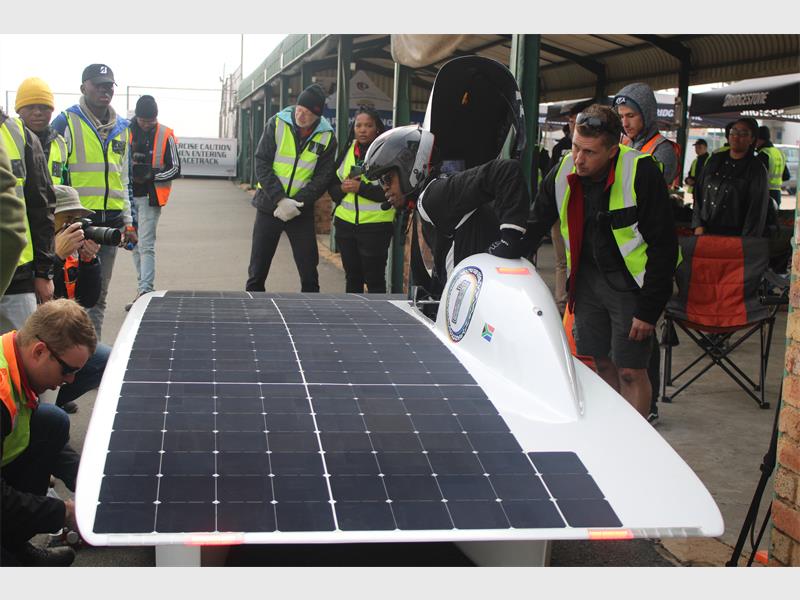
Stolp also informed Streeknuus that solar car drivers are only allowed to drive the car for two hours at a time. A minimum weight of 80kg is required for all drivers.
“The weight is set at 80kg. Each driver will receive ballast to have a total weight of 80kg.
“In this way, all the drivers of all the different solar teams have the same weight.
“A driver could be heavier than this, but extra weight means a less efficient race and is therefore to the disadvantage to the team,” explained Stolp.
“We are looking forward to the big event, the Sasol Solar Challenge which will take place in September.”
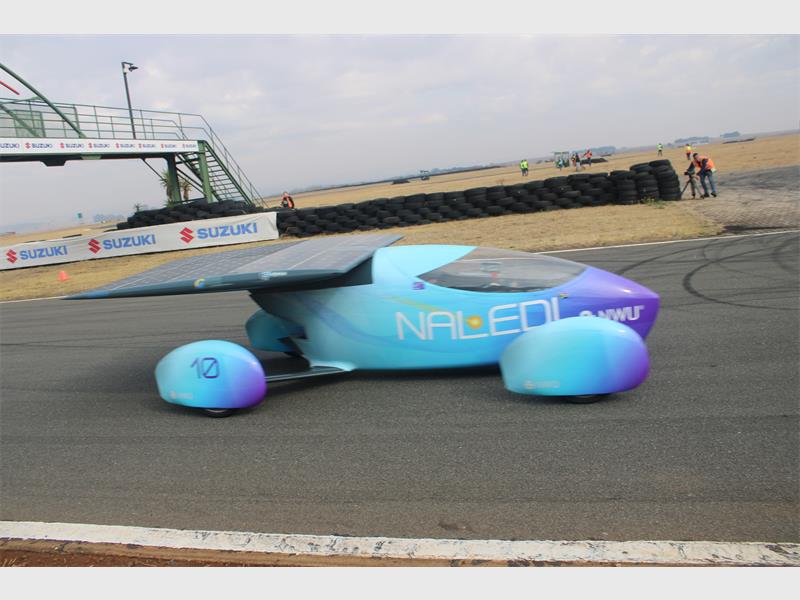 The Sasol Solar Challenge is a competition for talented engineering teams from around the world to challenge each other to cover as much distance as possible.
They will be travelling on public roads from Johannesburg to Cape Town.
“We aim to create a pipeline of opportunity by exposing our communities to the value in engineering through the projects like the solar car challenge.
“These ongoing projects could exponentially grow South Africa onto a global scale in the solar industry, as well foster the interest of high school learners to follow a career in engineering,” said Rob Walker, event director and founder of the Ilanga Cup Challenge.
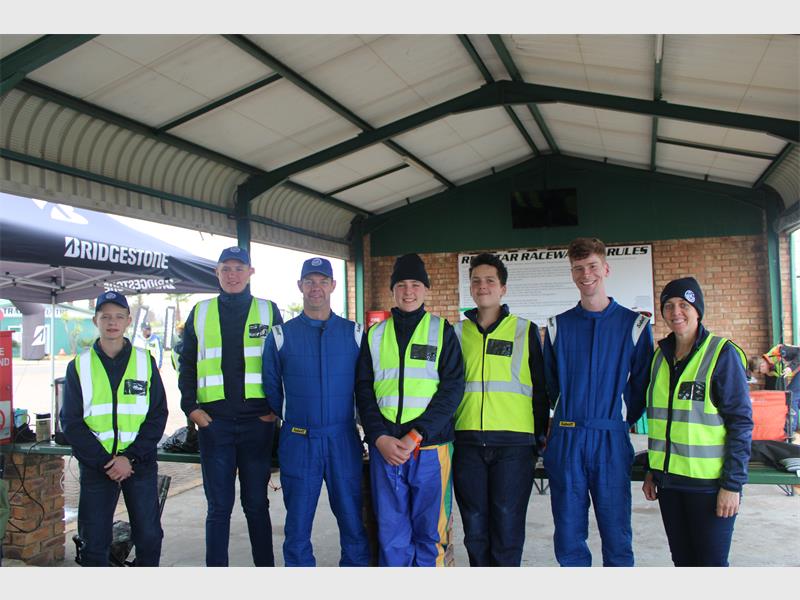
The Ilanga Cup Challenge measured endurance and not the speed of the solar cars, the winning solar car team being the one that racked up the most kilometres.
Even though the day was mostly overcast, which provided many challenges for the teams, TUT on their Bridgestone SA solar tyres became the champions of the Ilanga Cup Solar Challenge after completing 93 laps.