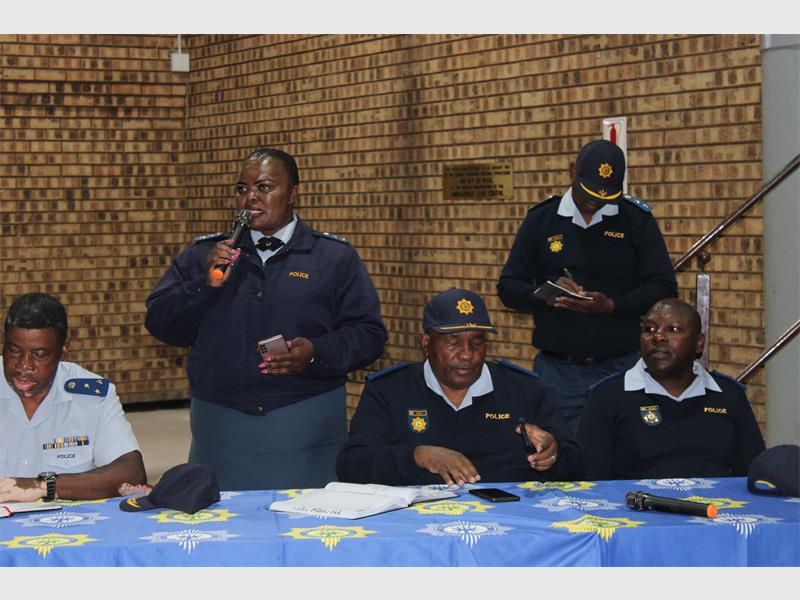
SAPS consult eMbalenhle residents in national strategy to reshape policing
Brigadier MJ Mushi, who is the SAPS section head of frontline services and demographic analysis, said the initiative is national in scope, targeting about 100 police stations, including high-crime urban areas, rural communities (such as parts of Mpumalanga) and mixed urban-rural zones like Masoyi, KwaMhlanga, and eMbalenhle.
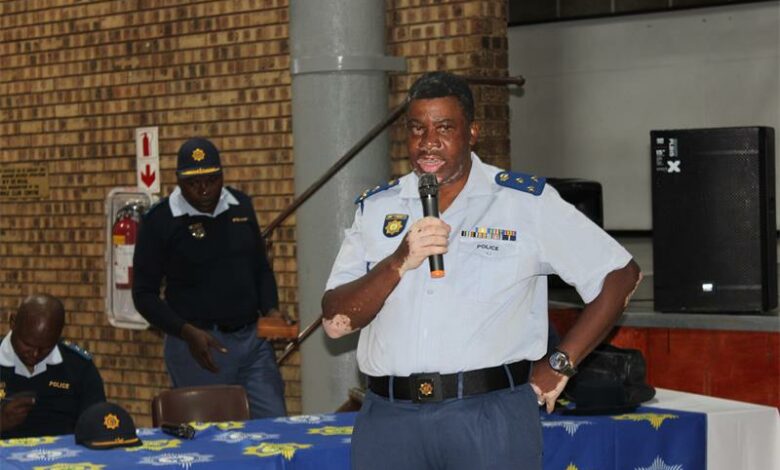
The SAPS Organisational Development (OD) component is rolling out a significant nationwide engagement effort through its Station Post Requirement (SPR) public participation process, and what happened on May 4 at the Sasol Club in eMbalenhle is part of a much bigger strategy to reshape policing based on community realities.
Brigadier MJ Mushi, who is the SAPS section head of frontline services and demographic analysis, said the initiative is national in scope, targeting about 100 police stations, including high-crime urban areas, rural communities (such as parts of Mpumalanga) and mixed urban-rural zones like Masoyi, KwaMhlanga, and eMbalenhle.
According to Mushi , the SPR process is not just a consultation; it’s a data-driven review of how police officers are distributed across stations.
“Do we have the right number of officers, in the right places, doing the right kind of work, as some stations are understaffed despite high crime rates.
“Others may have resources that don’t match current crime trends, and rural and urban communities often face very different policing needs,” said Mushi.
Mushi said the sessions are designed to give residents a direct voice in policing decisions, which hasn’t always been the norm.
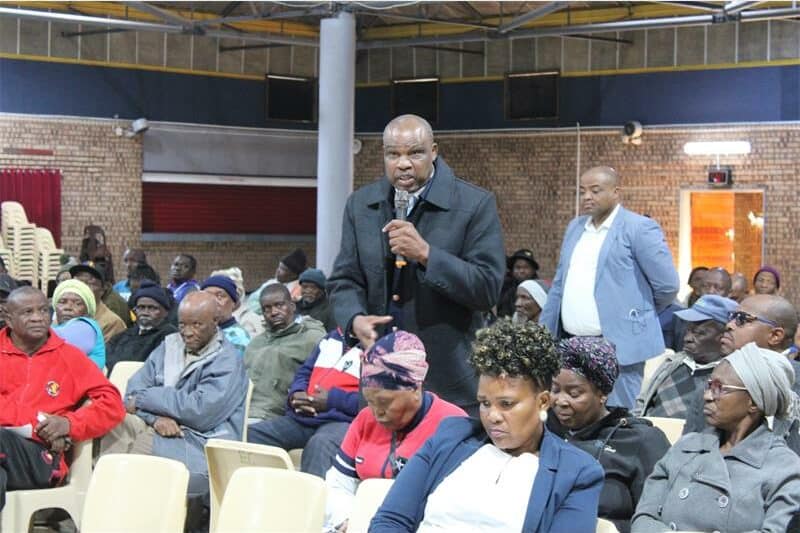
Mushi said the key focus areas of discussions in these engagements are:
- Resource allocation is the shortage of visible policing, delays in response times and lack of specialised units (such as GBV desks)
Feedback on how SAPS adjusts staffing under the revised SPR model.
- The SAPS is putting renewed emphasis on CPFs as a bridge between police and communities.
CPFs are expected to:
- Monitor police performance
- Help identify crime hotspots
- Drive social crime prevention initiatives
- Improving police visibility and trust
Public trust in policing has been a long-standing issue, and these consultations aim to:
- Increase transparency
- Encourage accountability
- Build cooperation between officers and residents
ALSO READ: Truck driver found murdered along R50 in Standerton area
The police said South Africa continues to face serious challenges with crimes such as gender-based violence (GBV), violent crime and property-related offences.
By involving communities directly, SAPS is moving towards “partnership policing”, where safety is co-produced by police and the public rather than enforced in isolation.
If implemented properly, the SPR process could:
- Lead to fairer distribution of police officers
- Improve response times and visibility
- Strengthen community oversight through CPFs
- Help tailor policing strategies to local crime patterns
However, its success will depend on whether community input is genuinely acted upon, resources are actually reallocated based on feedback, and CPFs are empowered beyond just advisory roles.
eMbalenhle residents were given until May 25 to complete the questionnaire provided for their input into shaping the SAPS.