SANBS urges South Africans to ‘Be The Lifeline’
A single act can create a ripple effect far beyond what most people imagine. Attention is turning to the everyday heroes who continue to make a difference when it matters most.
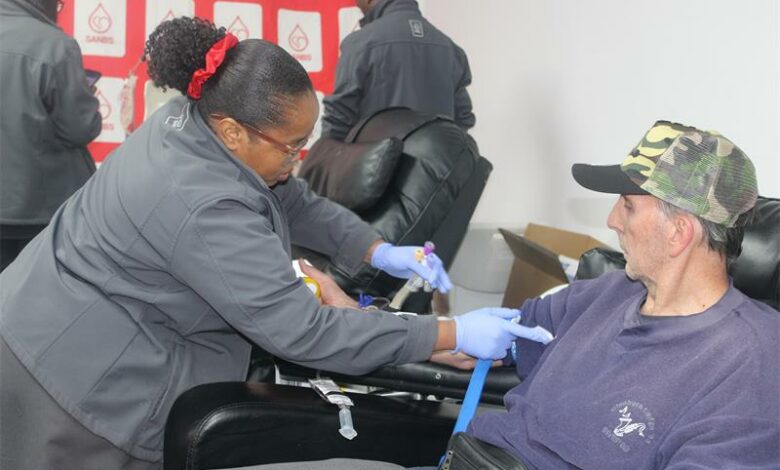
Every day, millions rely on blood donations to survive. From accident victims and surgical patients to individuals undergoing cancer treatment and those living with blood disorders, donated blood plays a vital role in saving lives and improving health outcomes.
As the South African National Blood Service (SANBS) marks 25 years of service, the milestone serves as a reminder of the countless lives that have been saved through the generosity of blood donors across the country.
In recognition of this milestone and World Blood Donor Day, observed annually on June 14, SANBS has launched its “Be The Lifeline: Give Blood. Give A Tomorrow” campaign. The campaign celebrates 25 years of SANBS serving as a trusted lifeline for South Africa while paying tribute to the ordinary South Africans whose blood donations have helped save lives every day.
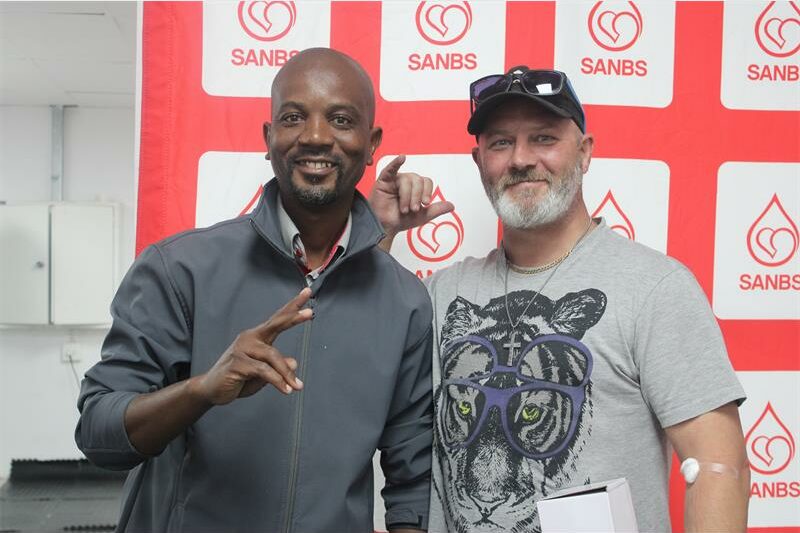
A lifesaving act
Despite advances in modern medicine, there is still no substitute for human blood. The only way blood supplies can be maintained is through the generosity of volunteer donors who choose to give a small portion of themselves to help others.
One blood donation has the potential to help multiple patients. Blood is separated into different components, including red blood cells, plasma and platelets, allowing a single donation to benefit several people with different medical needs.
This makes blood donation one of the most impactful ways individuals can contribute to their communities. The process is quick, safe and carefully monitored by trained healthcare professionals.
For 25 years, SANBS has worked to ensure that safe blood is available to patients when they need it most, helping hospitals and healthcare facilities provide lifesaving care every day.
The campaign highlights the human impact behind every blood donation. Behind every unit of blood donated is a future still unfolding: a mother safely holding her newborn baby for the first time, an accident victim receiving urgent emergency care, a cancer patient continuing treatment, or a child overcoming a life-threatening illness. Every donation helps protect countless tomorrows.
Who can donate?
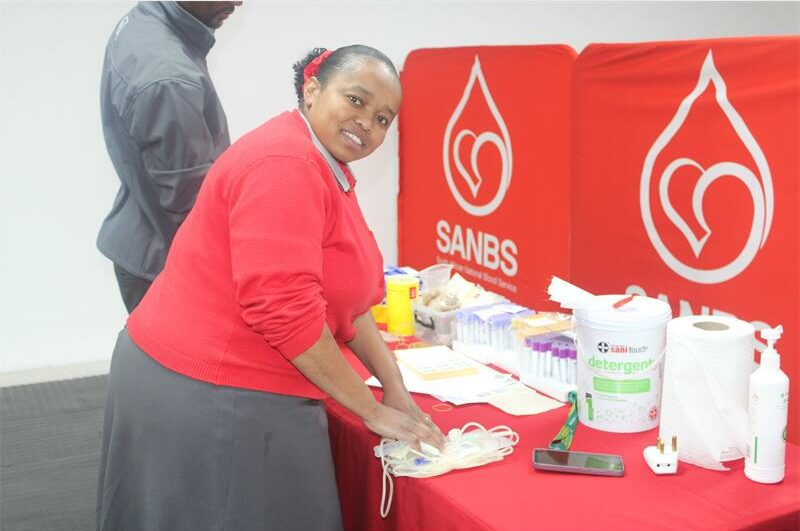
Most healthy adults can become blood donors, provided they meet certain eligibility requirements. Donors are screened before every donation to ensure the safety of both the donor and the recipient.
Factors such as age, weight, general health and medical history are considered before a donation is accepted. Donors are generally required to weigh at least 50kg because the amount of blood collected must be safe relative to the donor’s body size.
Eating before donating is also important. Blood services advise donors to have a meal or snack within a few hours before donation, as donating on an empty stomach can increase the likelihood of feeling unwell afterwards.
Ensuring a safe blood supply
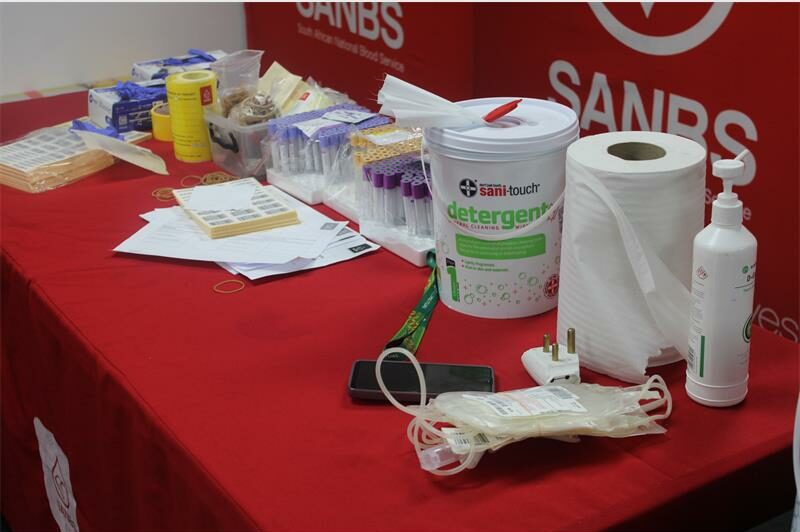
Safety is a top priority in blood donation. Every unit of donated blood undergoes extensive testing before it can be used for patients.
In South Africa, all donated blood is tested using advanced screening methods, including Nucleic Acid Amplification Technology (NAT), which helps detect infections such as HIV, Hepatitis B, Hepatitis C and syphilis. Each donation is subjected to the same rigorous testing process, regardless of whether the donor is giving blood for the first time or has donated many times before.
These strict procedures help ensure that patients receive safe and reliable blood when they need it most.
As SANBS celebrates its 25th anniversary, the organisation continues to uphold the highest standards of blood safety and donor care.
The need for all blood types
All blood groups are important in maintaining adequate blood stocks. However, Group O Rh-negative blood is especially valuable because it can be transfused to patients of any blood group in emergencies. For this reason, donors with O-negative blood are often referred to as universal donors.
Nevertheless, every blood type is needed, and maintaining a balanced blood supply depends on donations from people across all blood groups.
The importance of regular donors
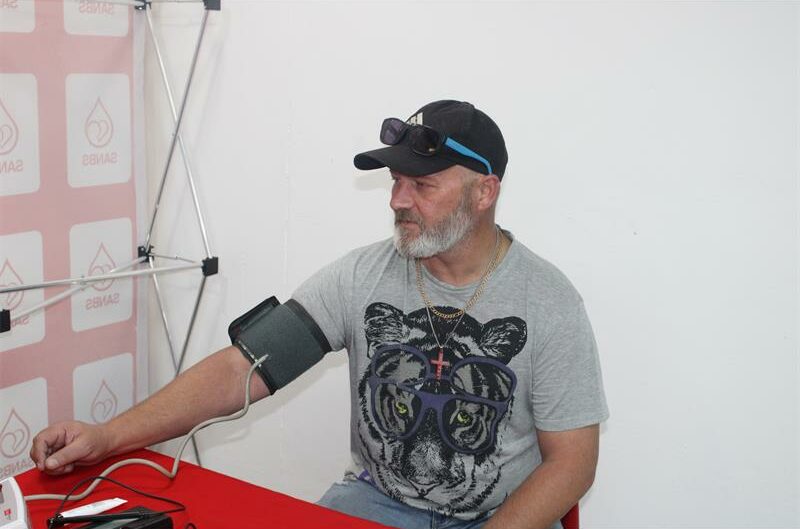
Voluntary, unpaid donors who give blood regularly are considered among the safest donors. Their motivation is simply to help others, and their continued participation helps ensure a stable blood supply throughout the year.
Regular donations are particularly important during periods when blood stocks are low or when demand increases due to emergencies, accidents or seasonal shortages.
Because a unit of donated blood has a limited shelf life of about 42 days, regular donations are essential to ensuring a continuous supply for patients in need.
As SANBS commemorates 25 years of saving lives, it continues to encourage South Africans to become regular donors and help secure the nation’s blood supply for future generations.
According to SANBS CEO Ravi Reddy, World Blood Donor Day serves as a powerful reminder of the impact of every donation. He notes that for 25 years, South Africans have consistently demonstrated extraordinary generosity through blood donation, with every donor becoming part of someone else’s tomorrow.
SANBS’s reputation and communication manager Sifiso Khoza has also emphasised that blood donation is one of the most powerful acts of humanity because a single donation can save multiple lives. He says World Blood Donor Day highlights the donor behind every successful transfusion and honours the life-saving impact of their contribution.
Where to donate blood locally
West Rand residents have several convenient locations where they can donate blood and help save lives.
• Monument Donor Centre, Krugersdorp
Monday to Friday, 09:00–17:00; Saturday, 09:00–14:00
Contact: 0800 11 9031
• SANBS Donor Centre – Westgate Shopping Centre
Shop L043, 120 Ontdekkers Road, Horizon, Roodepoort,
• Blood Donors Clinic
Constantia Boulevard, Allen’s Nek, Roodepoort, 1709
• Leratong Hospital Blood Bank
Chamdor, Krugersdorp
Contact: 011 951 1111
• Lenmed Randfontein Private Hospital Donor Site
Lower Ward, Lister Road Street Ext, Randfontein
Giving hope through donation
Blood donation is more than a medical procedure; it is an act of compassion. Every donor contributes to a network of care that supports patients, families and healthcare systems.
Whether helping a trauma victim recover after an accident, supporting a child undergoing treatment or providing blood for life-saving surgery, donors make a tangible difference in the lives of people they may never meet.
For many recipients, a blood donation is not simply a medical resource; it is a second chance at life.
Through the “Be The Lifeline” campaign, SANBS is also sharing real stories of donors, recipients and healthcare workers whose lives have been transformed through blood donation, reinforcing the deeply human impact behind every unit collected.
Twenty-five years of SANBS service is ultimately a celebration of these donors, the ordinary South Africans whose generosity has helped save countless lives and given hope to patients and families nationwide.
For more information, visit https://sanbs.org.za/.
Commonly asked questions and answers about blood donation
• Can I donate blood if I haven’t eaten?
If you don’t eat before donating, your chances of reacting to donating increase greatly. It is advised that you have a snack within the last 4 hours.
• Why can’t I give blood if I weigh less than 50kg?
The volume of blood that is drawn is in direct proportion to body mass. A smaller person has less blood. A donation of 480ml is a far larger percentage of total blood volume for a small person. This places the donor at significant risk of adverse reactions post-donation.
• Do you test blood at random?
No. Every unit of blood collected goes through the same stringent testing. It does not matter if it’s your first donation or if you are a regular donor; every donation of your blood is tested.
• Can I donate blood for a family member?
The rigorous blood donation and testing processes imply that the blood the SANBS collects from the population is quite safe. However, if you or a family member prefers to receive blood from a specific person, you must discuss this option with your doctor, and thereafter with SANBS staff who will explain the risks, benefits and process involved.