Power restored to Florida streets after mini-substation failure and vandalism
Four batteries were stolen out of the generator placed by City Power at Kathleen Street in the span of two days.
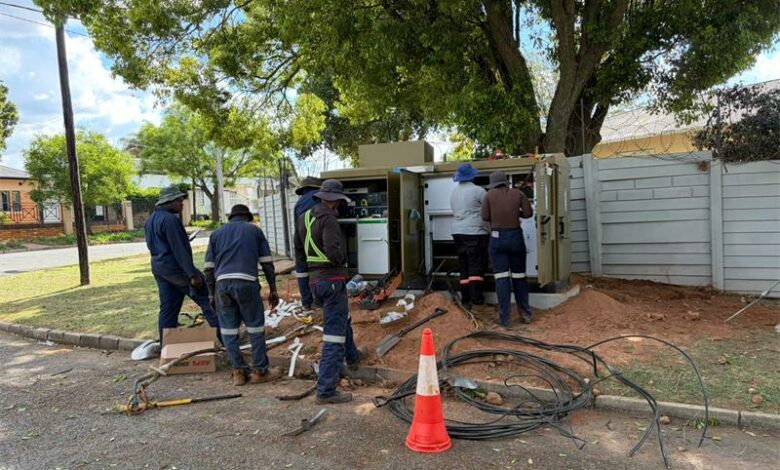
Residents in Naomi and Kathleen streets have electricity again after the failure of their mini-substation on September 30 and City Power’s subsequent insistence on performing a vending audit to determine whether residents are legally purchasing electricity.
The entity insists that, to justify the expense of replacing costly infrastructure like a mini-substation, at least 80% of residents in a given area must be legally connected to the grid and purchasing electricity.
The reconnection of electricity to the affected streets did not happen without challenges, as the audit was hampered by problems, including a lack of availability of residents to grant City Power inspectors access to meters.
The entity managed to secure a generator last Saturday afternoon to provide power to the frustrated residents, but this proved to be disastrous as the generator was vandalised.
According to City Power spokesperson Isaac Mangena, four batteries were stolen from the generator between Sunday and Monday. City Power was unable to confirm whether the thefts occurred in one or multiple incidents.
“Due to the repeated vandalism and theft, City Power decided to remove the generator to prevent further damage and losses,” said Mangena.
“Vending audits form part of City Power’s standard normalisation process whenever electricity infrastructure requires replacement, particularly costly infrastructure such as mini-substations.
“The purpose of these audits is to establish the level of electricity vending compliance among customers and to determine whether the required 80% vending threshold has been met before replacement infrastructure is installed.”
Mangena emphasised that this process is not intended to penalise customers who purchase electricity but rather to ensure that infrastructure replacement is undertaken sustainably.
Asked whether the entity’s existing monitoring systems are capable of identifying irregular vending patterns, Mangena said City Power uses its systems to monitor electricity vending and identify customers who are not vending or whose vending patterns may require further investigation.
“However, while these systems provide information on electricity purchasing patterns, system monitoring alone does not always provide a complete picture of the actual conditions within an affected supply area.
“Physical audits and inspections remain necessary to verify vending information, establish compliance and identify discrepancies that may require further investigation.”
According to Mangena, one of the challenges City Power encounters during these processes is that some customers refuse to grant authorised personnel access to their properties, making it difficult to physically inspect meters, verify connections and establish whether electricity is being consumed without being purchased.
“Such restrictions can delay the completion of audits and affect the verification of information required to make decisions regarding infrastructure replacement.”
Residents interviewed for the Record’s previous article on October 6, expressed concern at the entity’s allegedly illegal practice of estimating electricity usage beyond legally allowed timeframes.
Mangena said City Power acknowledges that meter readings must be conducted within the stipulated timeframes in accordance with applicable requirements, as physical meter readings are important to ensure accurate billing.
“However, there are instances where City Power’s metering personnel are unable to obtain actual readings because access to customers’ properties is not granted.
“Where access is restricted and customers have not submitted their own meter readings, billing may be based on estimated consumption.
“While estimated billing is intended to provide a reasonable reflection of electricity usage, it may occasionally result in discrepancies or billing disputes.”