Should the mechanics of the system not favour the ordinary man, that man then has the obligation to take extraordinary action. The passion becomes contagious with the end result being a community security force to be reckoned with.
Luqmaan Rahim realised the necessity for an organised community watchdog group after his house was burgled and the response from authorities was less than satisfactory. Since that incident seven years ago, the founder of In Case of Emergency Community Policing (ICE) has taken a small group of concerned residents and grown it into an over 3 000-strong member militia.
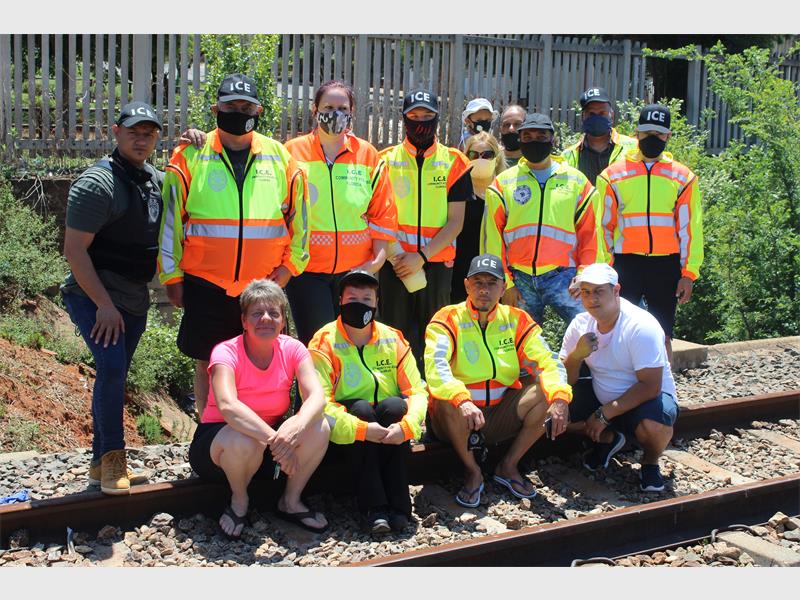
Deeply passionate about his community, Luqmaan has first-hand knowledge of what plagues the streets and homes of Florida. “The drug problem here is not even funny anymore. The crime in the area is ridiculous and what is happening to the railways is disgusting,” said Luqmaan, identifying his chief concerns. He believes that when a community is negligent, criminal elements thrive.
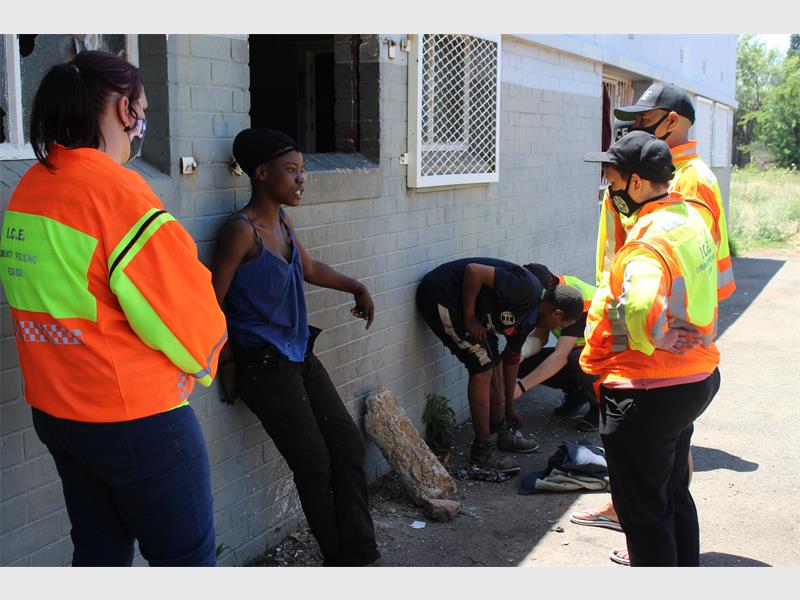
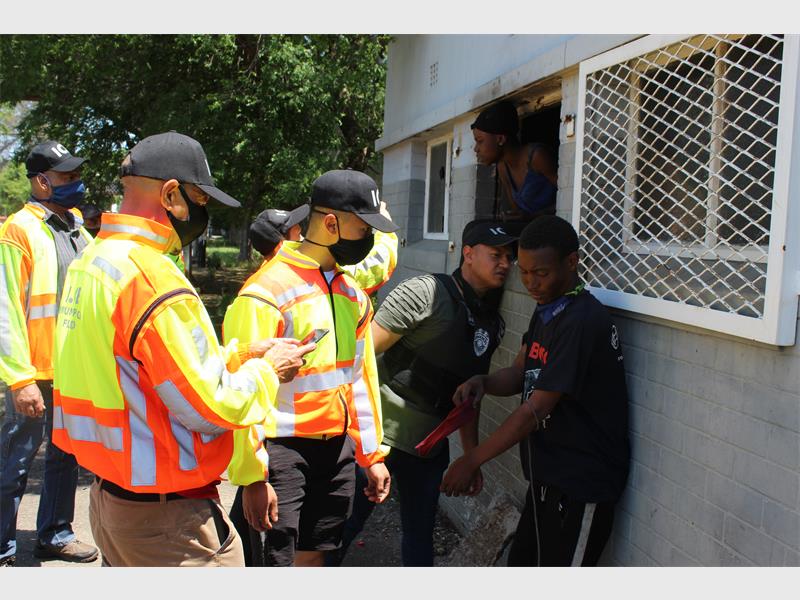
ICE members patrol the streets of Florida and the surrounds daily in an effort to remain at the forefront of the minds of criminals. By fighting a psychological war, ICE hopes to gradually overcome the criminal networks by forcing them to choose a different suburb to operate from. ICE has proven to be a formidable organisation with a zero-tolerance reputation for criminality.
Luqmaan knows that ICE’s success is down to the incredible team ethic and community spirit of its members. He is quick to always share the spotlight with his fellow ICE warriors, saying, “We stand for the man in the street. We never leave one man alone.” Their successes are gaining them momentum which has seen them extend their reach to Cresswell Park, Georginia and Roodepoort.
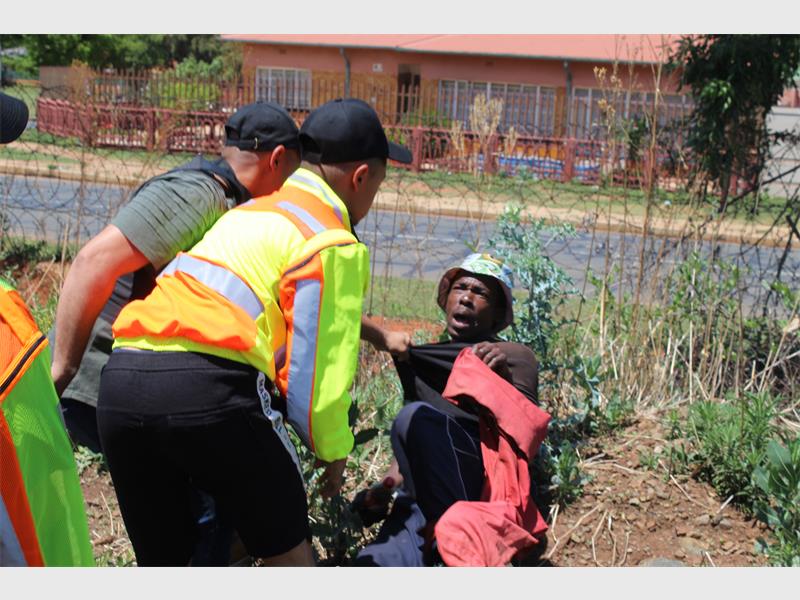
One chink in the armour is the lack of legal resources. ICE has plenty of brawn to go around but to topple criminal syndicates it will take a specialised legal approach. “We can’t just keep handing suspects to police; we are asking pro-active legal people for their help,” said Luqmaan.
The consequences of repeating the cycle could be dire, as he warned, “It starts with the railways, then it becomes our schools and eventually it will be our houses”.