Caring for children who cannot care for themselves
Raising a child with profound mental and physical disabilities is not a task for the feint of heart, and is definitely not something you will succeed at without passion and patience.
Raising a child with profound mental and physical disabilities is not a task for the feint of heart, and is definitely not something you will succeed at without passion and patience.
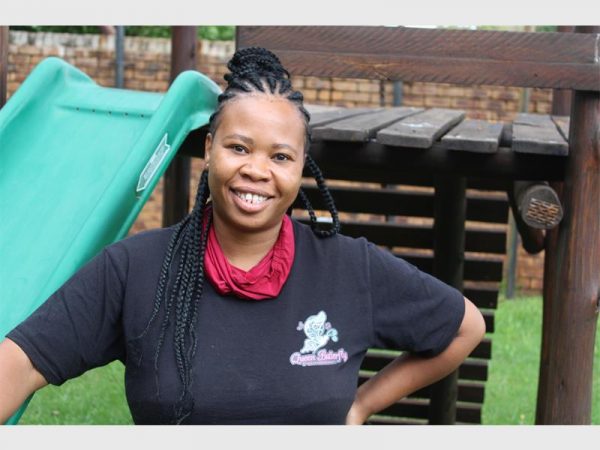
Palesa Mofokeng is the founder of the Queen Butterfly Foundation in Wilro Park, a non-profit organisation and school for children with severe physical and mental disabilities.
Everyday that parents drop off their children at the school, Palesa and her team take on the role as parent. They are there to comfort, care for and help the children beyond all else. The staff need to be properly trained so that they can look after each child effectively and are ready for every situation. They need to make sure they know how to lift the children without hurting the child, or themselves, and they need to be patient enough to deal with constant outbursts.
“You need to be extremely vigilant and learn each child’s individual personality,” said Palesa. These children are unable to move or speak, so they cannot physically tell you if they are uncomfortable or if there is something wrong, so you need to learn their personalities and keep an eye out for changes so that you can help them. “You also need to be on the ball all day every day. You can’t just assume that because this child has never tried to get out of the chair by themselves that today won’t be the first time. That is how children fall and get hurt,” said Palesa.
“You need to be prepared for the ‘unglamorous’ parts, like the tantrums, or when they need their nappies changed, or if they throw up on themselves. “Working with these children is a calling. If you treat it as a job, you will fail,” the QB Founder continued. You also cannot discipline these children as you would a physically capable child. You need to approach each of them differently and always be calm and nurturing – if you shout constantly, it can make matters worse. “These children cry and shout a lot, so you need to be prepared and you cannot approach the care of all of them the same way because each child is different. It can be exhausting because you need to be constantly alert. You are their eyes and ears. But despite the difficult parts like the exhaustion and the crying, there are so many rewards,” said Palesa.
Palesa said that the good, more often than not, outweighs the bad and that nothing beats the feeling you get when these children do things no one expected them to do. Nothing is more rewarding than seeing a child smile or put together a puzzle after months of them never laughing, smiling, or trying. She explained how a few children came into her care and never moved or tried to smile, but they develop their own sense of humour and become more willing to try new things.
She recalled a young boy who, after a few months of not speaking or trying to participate in the lessons, put together a puzzle. When Palesa told his parents they were understandably very excited to see, but when they asked him to do it again, he just looked up and laughed. “These children bring so much light into my life. I love working with them every day,” Palesa concluded.