RECAP: Madlanga Commission takes a closer look at SAPS’ narcotics operations and drug busts
The Commission continued probing alleged corruption, operational failures, evidence mismanagement, and questionable relationships within policing structures during hearings held in Johannesburg last week.
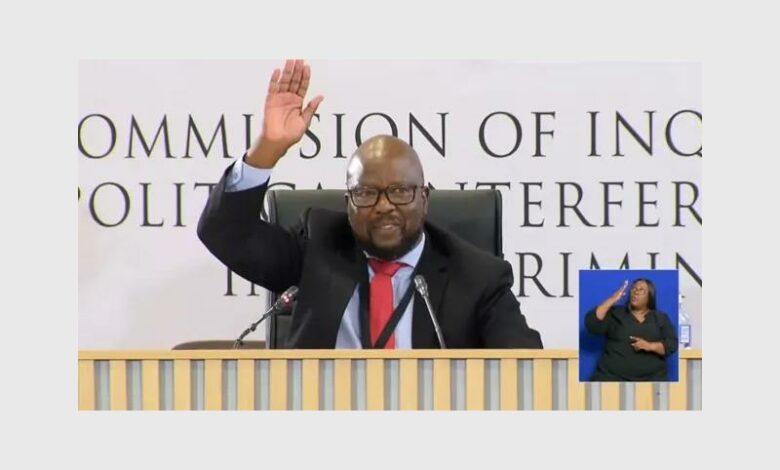
The Madlanga Commission, established by President Cyril Ramaphosa and chaired by Justice Mbuyiseli Madlanga, continued its hearings from May 11 to 14 at the Brigitte Mabandla Justice College, focusing on allegations of institutional compromise, irregular conduct in narcotics investigations, and weaknesses in police oversight structures.
This week’s proceedings examined evidence relating to SAPS-linked narcotics operations, alleged procedural interference at drug-bust scenes, and concerns around the handling of evidence in investigations connected to organised crime activities. Testimony also explored allegations of inappropriate associations between law enforcement officials and individuals linked to criminal networks, alongside broader concerns regarding accountability failures within investigative structures.
Proceedings on May 11 centred on testimony by Colonel Jacob “JJ” Maseko, attached to SAPS Narcotics Enforcement, and Captain Lerato Dlamini, an operational co-ordinator linked to a Gauteng-based drug seizure investigation. Maseko was questioned on procedural compliance during narcotics operations, chain-of-custody management, and the presence of individuals allegedly not authorised to participate in investigative processes.
Also read: Church elder accused of assaulting minor remains behind bars
Commissioners raised concerns regarding inconsistencies in evidence-handling procedures and the potential impact such irregularities could have on criminal prosecutions. Dlamini further testified on communication between operational teams during the seizure and acknowledged weaknesses in post-operation reporting processes.
On May 12, the commission heard further evidence from Lieutenant-Colonel Vusi Khumalo regarding a disputed drug-bust operation conducted in Gauteng in 2025. Testimony focused on the movement and management of confiscated narcotics, communication between SAPS-linked personnel during the operation, and the handling of investigative documentation following the seizure. Under questioning, Khumalo acknowledged being present at a scene that was expected to remain under restricted operational control, while commissioners examined whether procedural safeguards had been adequately followed during the investigation.
The commission also heard testimony regarding how a crime analytics officer allegedly attempted to drive away with 751kg of cocaine before it could be booked in as evidence.
On July 9, 2021, SAPS officer Marumo Magane, whose role was primarily office-based, followed up on a tip-off regarding a truck carrying a large consignment of drugs in Aeroton, south of Johannesburg. Despite the assignment not falling within his official duties, Magane went to the scene and loaded the drugs onto his bakkie.
Testifying before the Madlanga Commission on May 14, Hawks narcotics officer Joseph Sebola said police prevented Magane from leaving the scene. Magane was unable to adequately explain to commissioners why he attempted to transport the drugs in his own vehicle instead of handing the matter over to officials assigned to the operation.
Proceedings on May 13 revisited evidence involving Brigadier Themba Nkweshu of SAPS Organised Crime. His testimony was examined alongside documentary evidence relating to alleged contact with individuals linked to organised criminal activities during sensitive investigative periods.
Communication records and operational timelines were presented to determine whether improper associations may have influenced aspects of investigative conduct. Nkweshu denied wrongdoing but conceded under cross-examination that portions of his earlier account regarding operational contact were inaccurate.
The commission also reviewed protected witness testimony presented in camera by Witness X and Witness G, with proceedings reflecting heightened concerns around witness safety and institutional retaliation.
Hearings on May 14 focused on institutional oversight failures and delays in responding to allegations of misconduct raised internally within policing structures. Inspector Leonard Phiri of the Tactical Response Coordination Unit appeared before the commission alongside documentary evidence presented by Commissioner Johan Spies.
Commissioners reviewed escalation records, investigative timelines, and evidence concerning the management of internal complaints linked to narcotics investigations and operational irregularities. Particular attention was given to whether internal reporting mechanisms were sufficient to address allegations involving SAPS-linked officials operating within organised crime-related environments.
Although several witnesses denied wrongdoing throughout the week, cross-examination repeatedly highlighted concerns regarding informal communication channels, failures to disclose potential conflicts of interest, and inconsistencies between oral testimony and documentary evidence.
Sergeant Fannie Nkosi, although not called as a witness during the week, remained central to proceedings through WhatsApp communications, operational references, and evidence concerning his alleged intermediary role in facilitating contact between officials and external actors linked to investigations.
This week’s hearings reflected broader concerns regarding institutional vulnerability within South Africa’s criminal justice system. Evidence presented suggested that weaknesses in accountability mechanisms, delays in escalation procedures, and failures in operational oversight may have created opportunities for irregular influence and compromised investigative integrity.
The proceedings reinforced the commission’s ongoing focus on restoring public confidence in law enforcement institutions and examining whether systemic reforms are necessary to strengthen accountability and protect the integrity of criminal investigations.