Life Esidimeni – Never forgotten
Five years later, the families of the 144 people who lost their lives after being moved from Life Esidimeni still don’t have answers.
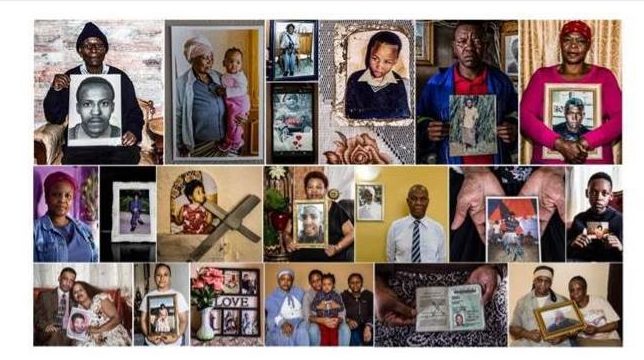
In 2017 more than 144 mentally ill patients died after they were removed from private care at Life Esidimeni and placed in less equipped NGOs.
An online memorial service was held on 20 May for the 144 people who tragically lost their lives during the Life Esidimeni debacle. The service was held in conjunction with SADAG, also to announce the online and advocacy project that has been set up to continue assisting the families of those who died, and get justice and answers about their deaths.
Cassey Chambers from SADAG said it was important that everybody continues to remember the lives lost and their stories, as well as continues talking about the failed health system. “We owe it to the 144 people who died.”
During the two-hour service, it was announced that an inquest into the scandal was set to begin in July. Sasha Stevenson who is the head of Health for SECTION27, a public interest law centre that advocates for access to healthcare services and basic education, said the inquest is open to the public. “We know that one person, a doctor, was reported and we understand that there was a disciplinary inquiry but we don’t know the outcome. Four people were referred to the Nursing Council. There needs to be resolution,” she expressed.
Christine Nxumalo, whose sister was among those who died said this scandal can never be over, explaining how she would not wish this tragedy on another person. “It was tragic. As the family who are a part of this, it can never be over. The most important thing is to be able to stop abuse in this sector and improve the mental health space.”
It was also announced that a feature film was currently in the works about the Life Esidimeni scandal and would hopefully be released in the next year. South African screenwriter, Harriet Perlman said the family members who lost their loved ones expressed sadness, loss, anger and despair. “People don’t know how they died and they want answers.”
The website will not only pay tribute to the lives that were lost, but will continue to advocate for their families as well as highlight the stigma around mental health. Cassey said it was important to educate teachers and parents on mental health issues. According to SADAG, one third of South Africa’s population suffers from mental health illnesses.