Changing the conversation about manhood
A childhood bond with her older brother inspired Ofentse Makonya to create an initiative encouraging men to speak openly about masculinity, relationships, and their experiences.
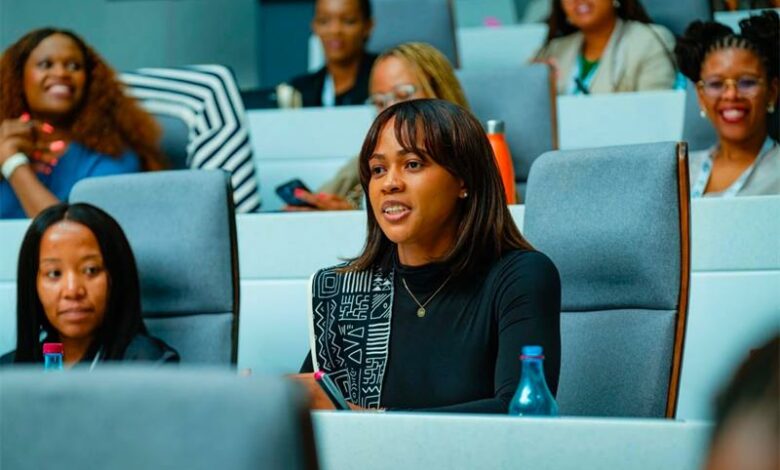
Ofentse Makonya’s relationship with her older brother gave her an early understanding of men that would later inspire her to establish Conversations With My Brother, an initiative creating spaces where men can talk openly about their experiences.
“I often say that he’s the first man that I ever loved,” she said.
Growing up in Soweto, Makonya spent much of her childhood playing with her brother and his friends. As she grew older, she became more aware of the expectations placed on boys and girls.
“My mother started saying, ‘You’re a girl; girls do this, boys do that’. So now I’m no longer playing. I’m expected to come back home earlier, close the curtains and cook dinner,” she recalled.
She describes her childhood as a good one, but says family travels and attending school in different areas exposed her to different ways of life. She attended primary school in Florida before going to high school in Rosebank
“It made me realise that there are different universes outside of the one that I knew,” she said.
Her relationship with her brother became central to Conversations With My Brother’s creation. Makonya noticed that he behaved differently around others than he did with her, where he could express parts of himself without the expectations placed on him elsewhere.
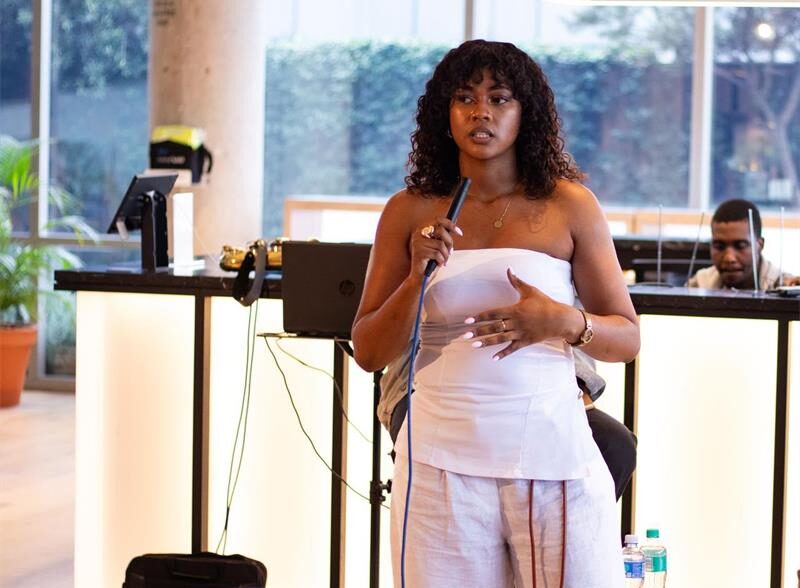
She wanted other men to experience that same openness. She also questioned why men appeared to have fewer spaces for friendship, networking and honest conversations than women.
“I wanted to imagine what a space for men would look like, where they could be transparent and open, rather than just copying women’s spaces,” she said.
Also read: Fitness enthusiast speaks on mental health
Although she initially questioned whether she was the right person to establish the initiative as a woman, Makonya says her approach is rooted in hospitality and making men feel welcome.
“We take ordinary spaces and turn them into these havens for masculinity to be celebrated,” she said.
For her, healthy masculinity has no single definition. She believes it can be expressed through qualities such as teamwork, communication, discipline, integrity and perseverance. She has also encountered different examples of fatherhood, including fathers who write their children birthday letters and those who actively guide them.
Makonya said her work had attracted criticism in South Africa’s context of gender-based violence (GBV) and she had been accused of being a sympathiser who does not understand women’s plight. However, she believes supporting men does not mean dismissing women’s experiences.
“When women experience GBV, their children and their communities also suffer. We have boys who are growing up in those environments, and they need support too,” she said.
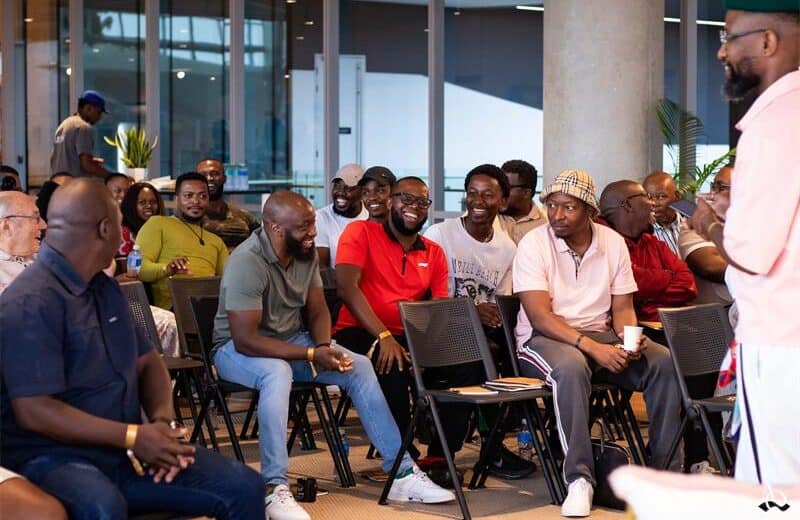
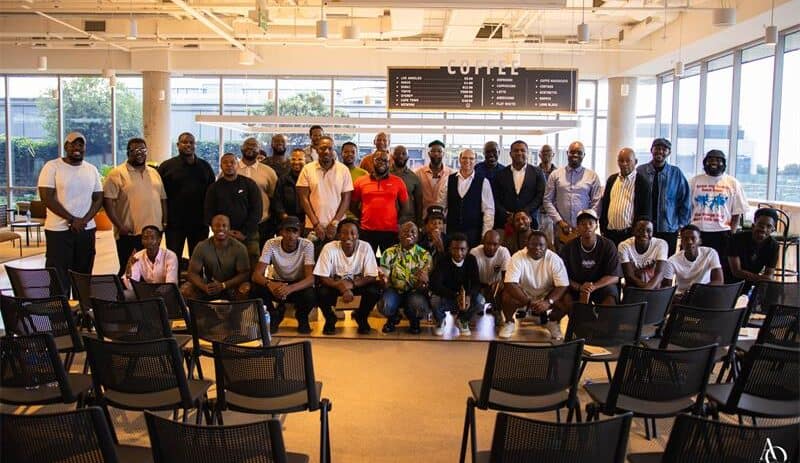
At Conversations With My Brother gatherings, men may initially arrive expecting to be lectured or blamed, but she said some began relaxing about 20 minutes into the first panel, which she calls ‘defrosting’.
At the initiative’s second gathering, one of two young men who arrived covered his mouth in surprise at the room prepared for them. “Is this us?” he asked, and Makonya described that as one of the moments that had stayed with her since then.
Makonya also wants to encourage conversations between younger and older men, believing that hearing how older generations navigated challenges can help younger men feel less alone.
As November brings attention to men’s health through Movember, Makonya said the work had also changed her personally. “It’s made me a lot softer,” she said.
Also read: Emeris Ruimsig Residence marks Mental Health Awareness Month with Masquerade Ball
She believes that when men are seen only as protectors and providers, other parts of their personalities can be overlooked. Looking ahead, she wants Conversations With My Brother to expand through in-person programmes, road activations, a boys’ academy and camps, while championing what she calls ‘The NextGen Man’.
Makonya is also looking to expand the initiative’s reach through a proposed partnership with Deloitte Africa’s Social Impact and Volunteerism team for the 16 Days of Activism period in November and December.
The proposal, titled ‘Championing Safe Men, Building Safe Communities Together’, outlines support for Conversations With My Brother’s in-person events, community activations, online platform and merchandise. It also aims to strengthen programmes such as the upcoming boys’ academy, which seeks to engage boys and young men early in shaping healthier understandings of manhood.
It also identifies potential areas of collaboration, including venue sponsorship, access to speakers and facilitators, sponsored attendance for young men from underprivileged communities and support for digital content and platform development.
Her hope is for men to know they are never alone and that brotherhood can be found in everyday places.
“Men need to be better men because they deserve to live better evolved lives,” she said.