Emeris Ruimsig public health students share workplace lessons at 9th health conference
From occupational health to reproductive rights, third-year graduates-in-training put 100 hours of real-world experience into practice across four partner organisations before presenting their findings on campus.
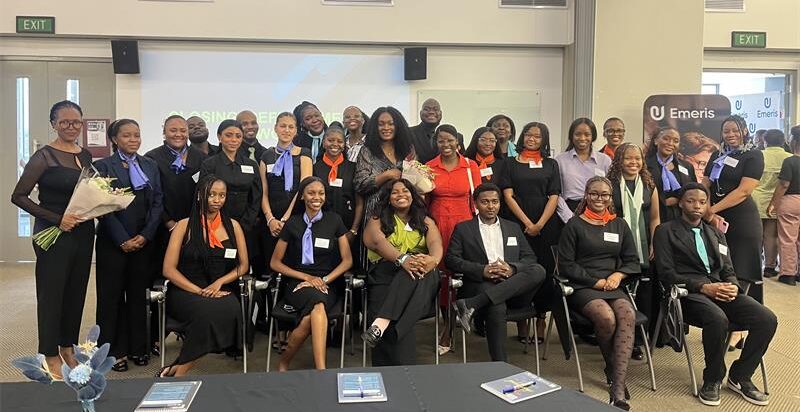
Third-year Bachelor of Public Health students at Emeris Ruimsig presented their workplace experiences at the institution’s ninth Mini Public Health Conference after completing 10 weeks of practical training at various organisations.
Held recently at the Ruimsig campus, the conference brought together students, alumni, academics, industry professionals and placement partners.
As part of their practical learning programme, students completed 100 hours of field placement at four organisations: The National Institute for Occupational Health, Ibis Reproductive Health, Project Hope UK and Viya Health.
Running since 2017, the placement initiative allows students to apply their academic knowledge in professional environments and gain experience in community-based health promotion.
During the conference, students shared their experiences through presentations covering occupational health, sexual and reproductive health rights, HIV/ Aids education and community health awareness.
Also read: Emeris Ruimsig Residence marks Mental Health Awareness Month with Masquerade Ball
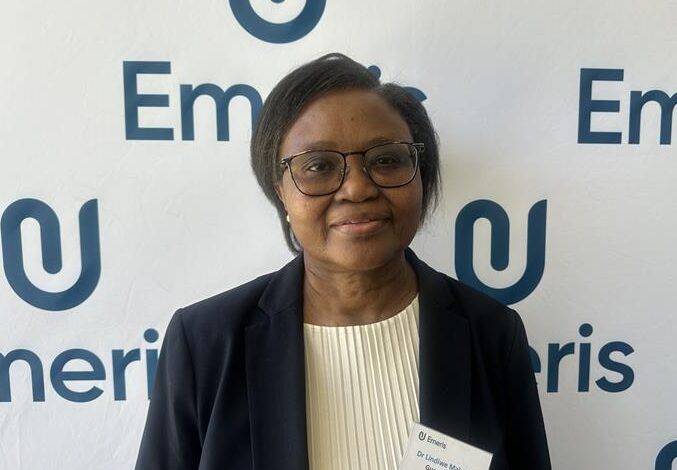
Among the keynote speakers was Dr Lindiwe Makubalo, a public health expert with more than 25 years of experience in health reform, policy and health systems development.
Makubalo previously held senior leadership positions at the World Health Organisation, including executive director of the Alliance for Health Policy and Systems Research and assistant regional director. She recently joined PurposeVille as a technology adviser.
Addressing the students, she encouraged them to remain adaptable and committed to lifelong learning.
“One important thing that future public health professionals should know is that they will always be learning. They will always need to adapt what they have learnt to the environment and situation to make contributions that improve health outcomes,” she said.
She also highlighted the importance of prioritising preventative healthcare rather than focusing only on existing health challenges.
Senior public health lecturer at Emeris Ruimsig Nwamaka Nwogwugwu thanked the placement organisations for providing students with practical learning opportunities.
“By providing these practical learning experiences, you are doing much more than supporting student training; you are actively contributing to the development of the next generation of public health practitioners, researchers and leaders,” she said.
Faculty head Dr Jemina Mookeng encouraged students to regard their qualification as the beginning of continued learning and professional development.
“Public health is not simply about obtaining a qualification or securing employment. It is about making a difference in people’s lives,” she said.