Sewage crisis turns Honeydew river toxic
Dead fish and a foul smell highlight the ongoing pollution in Honeydew’s Wilgespruit River.
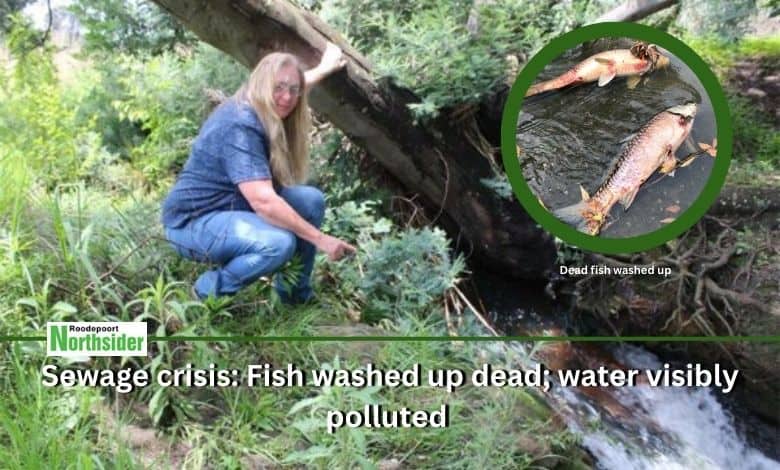
Residents in Honeydew are sounding the alarm over ongoing water contamination along the Wilgespruit River and the greenbelt near Glover Road, where polluted water and dying fish point to a worsening ecological crisis.
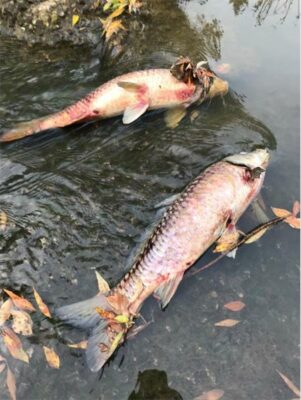
The Roodepoort Northsider contacted Glover Road resident Jill Fransen on November 24. She said she has witnessed the deterioration firsthand, with fish and other aquatic life dying in increasing numbers. During an on-site inspection, Fransen showed areas where fish had recently washed up dead and where the water was visibly polluted, with discolouration and a strong sewage odour.
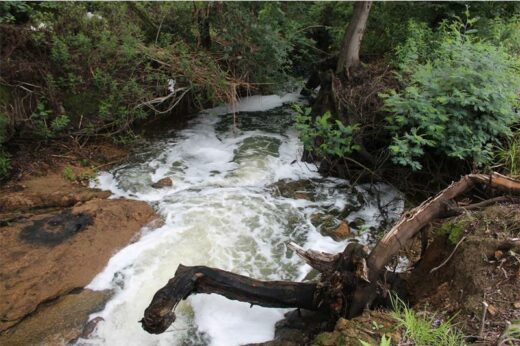
According to Fransen, Johannesburg Water (JW) has acknowledged that sewage has been entering the river system for more than two years, describing the contamination as “consistent”. Despite periodic repairs, including the recent clearing of a blocked manhole on Glover Road, she says the problem persists.
“This last disaster was a double whammy. Yes, the blocked manhole made it worse, but the chronic contamination is coming from upstream. I’ve been pleading for a task team for over a year, and I believe the source lies somewhere in the Laser Park industrial area,” she said.
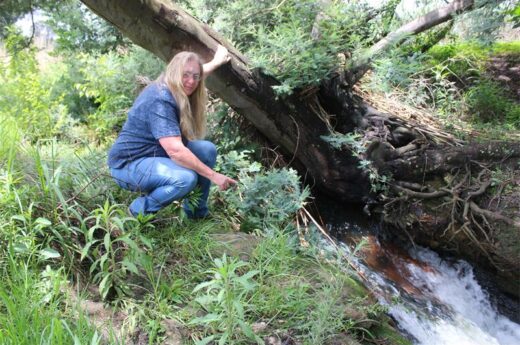
Fransen adds that after numerous queries, a municipal environmental specialist visited the site and confirmed that ammonia-based cleaning products and sewage components pose severe risks to freshwater systems. The specialist explained that ammonia is highly toxic to fish and invertebrates, and as temperatures and pH levels rise, harmful un-ionised ammonia increases, causing gill damage, organ failure and eventual fish die-offs.
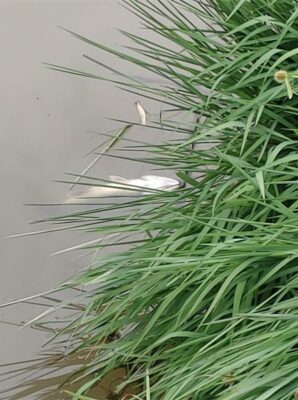
“The Wilgespruit River is home to the endangered African Bullfrog, resident fish eagles, and supports downstream farming, making the contamination not only an ecological issue but also a community and economic concern,” she explains.
Ward 97 councillor Jacques Hoon confirmed that municipal teams are walking the line and tracing servitudes upstream to identify the source of the contamination. However, dense vegetation has slowed progress, and no findings have yet been released.
Questions and photographs documenting the pollution have been submitted to JW for comment. A follow-up article will be published once a response is received.