Department of Human Settlements responds to Fleurhof hostel saga
The department says two families were allocated in one unit due to space, a consideration made in agreement with all parties concerned.
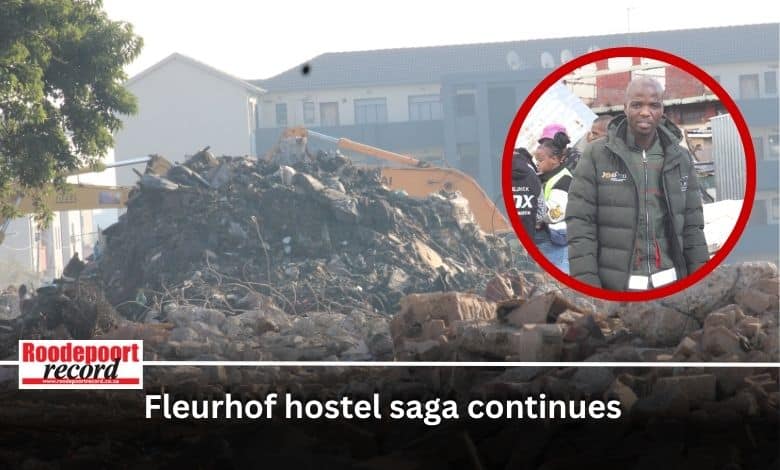
The Department of Human Settlements has admitted that more than one family was allocated to Ext 21 units following the relocation of Fleurhof hostel residents.
This comes after several relocated residents raised concerns about their current living conditions, claiming that unrelated individuals have been required to live in one flat.

According to the MMC for Human Settlement, Mlungisi Mabaso, only two families are permitted per unit, and this was clearly communicated to the residents long before the relocation. He said considerations were made for the beneficiaries who can and cannot live together.
• Also read: Fleurhof hostel relocation chaotic as residents have to share flats with strangers
“We paired families because the number of Community Residential Units (CRU) was limited. The department is aware of a specified number of people who are yet to be moved to the CRUs and has started the process of addressing that matter.”
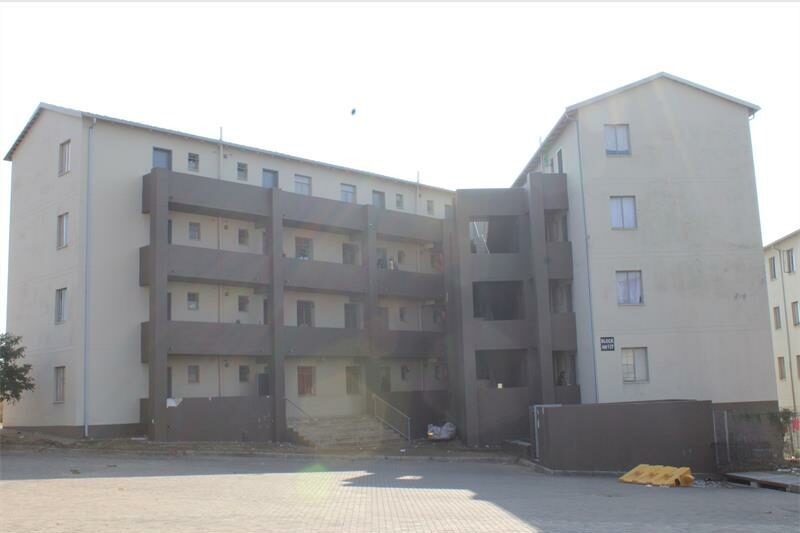
He said long before the relocation, the department and Calgro M3 (the developer) visited the area and developed a beneficiary list, which details who can and cannot benefit from the relocation process.
“There are people who can afford to pay rent; those were not relocated. Some do not have proper documentation, and these also did not benefit from the process.”
• Read the initial article here: 135 families moved as Fleurhof hostel faces demolition
Mabaso, however, denied allegations that multiple people received allocation receipts for the same unit. He said that from their department, they have no record of such; instead, he stated that some individuals had allegedly generated fake or illegal allocation receipts and were using them to claim entitlement to accommodation.
“This was done during the allocation process, and they have since been making claims that they ought to have benefited.”
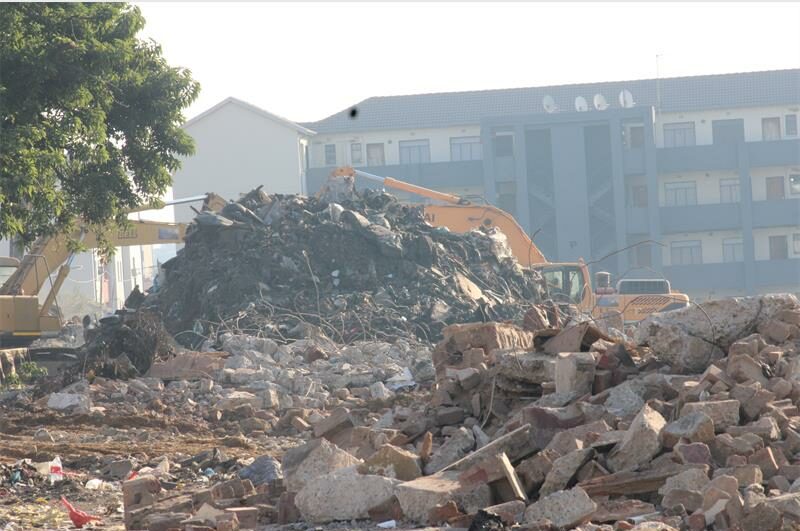
Regarding the future of the units, the department confirmed that residents would eventually be required to pay rent, as the flats are CRU and not RDP houses.
Human Settlements also stated that it was unaware of reports that some flats lacked electricity, running water or functioning geysers. It is still unclear if any efforts are under way to address this matter of basic services.
Mabaso concluded that the relocation wasn’t rushed, but indeed planned for months.