JRA responds to exposed electrical cables at Sjampanje bridge
The update comes as work to rebuild the bridge continues on site and questions about how infrastructure is handled during the project remain.

The exposed live electrical cables at the Sjampanje Street bridge reconstruction site have not yet been relocated, with the Johannesburg Road Agency (JRA) confirming that permanent security and barricading are now in place around the infrastructure.
The update follows concerns raised by Sphiwo Siyo Mthethwa, CEO of Siyo Tech PI, whose security company operates at the site. The Roodepoort Northsider reported on Mthethwa’s concerns as featured in the August 21 edition of the newspaper, in the article titled Exposed cables at site a cause for concern, where he said residents had approached security personnel about possible theft of the cables, prompting guards to monitor them despite this not forming part of their contracted duties.•
• Also read: Damaged Sjampanje sewer pipe fixed
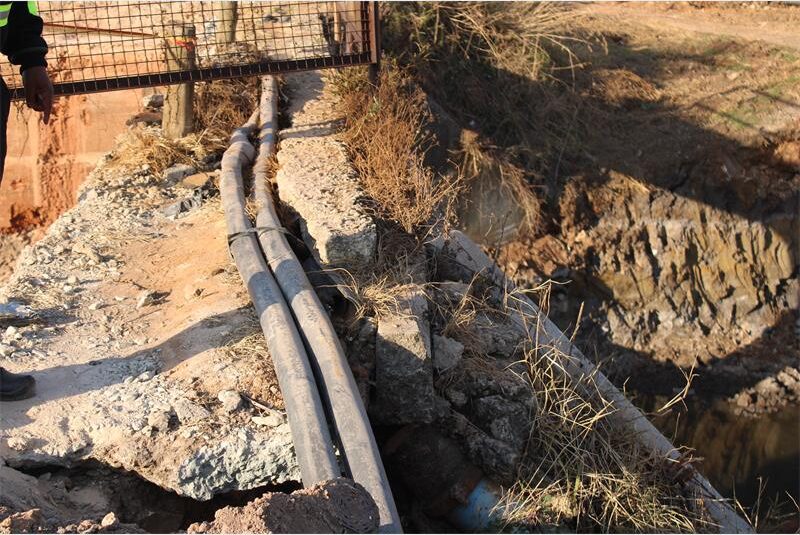
The Northsider approached City Power for comment, with the utility confirming that the cables are live and form part of its electricity distribution network.
City Power said the cables were originally installed beneath the bridge and became exposed during excavation and related construction activities. It also stated that the construction company had moved the cables from their original position.
However, responding to follow-up questions, JRA’s head of infrastructure Kwazelela Mcetywa said no cables have been moved at this stage and that the contractor has only exposed them.
Mcetywa said the contractor was exposing and proving existing services so that the bridge reconstruction could proceed.
• Also read: City Power responds to Sjampanje’s leaning pylon concerns
The JRA confirmed that the cables are live, saying their status was known from the wayleave information provided by the service provider at the beginning of the project.
According to Mcetywa, the contractor has established permanent on-site security and barricading around the exposed cables to restrict public access.
He said securing affected services forms part of the contractor’s obligations and that no specific security allocations are made for individual services.
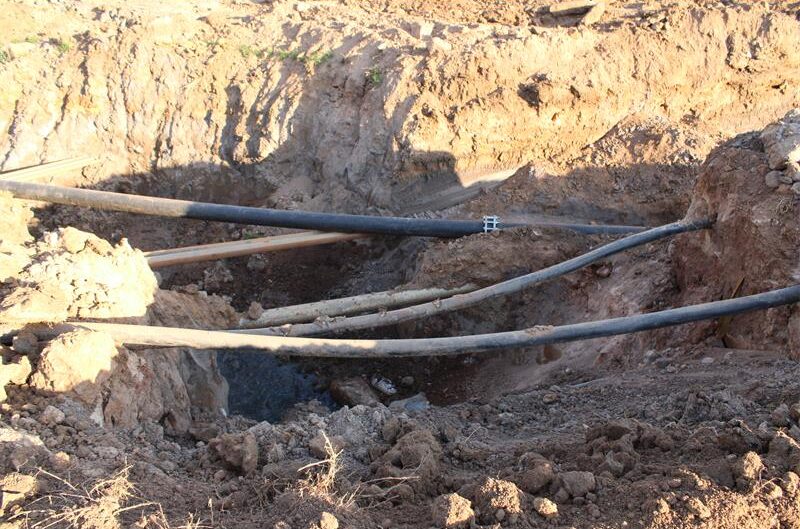
Mcetywa said the contractor is communicating with City Power regarding the relocation, but it has not yet been carried out.
The general manager of Public Relations and Communication of City Power, Isaac Mangena, stated in the August 21 article that the relocation had been discussed and agreed upon as part of the bridge reconstruction project and would proceed once payment and co-ordination arrangements with the construction company had been finalised.
City Power also urged members of the public not to approach, handle, move or interfere with the live cables, and the timeframe for the relocation of the cables has not yet been provided.