Johannesburg Water enforces Level 2 restrictions from November 21
Higher tariffs and flow-management measures are on the way as the City moves to ease pressure on strained reservoirs.
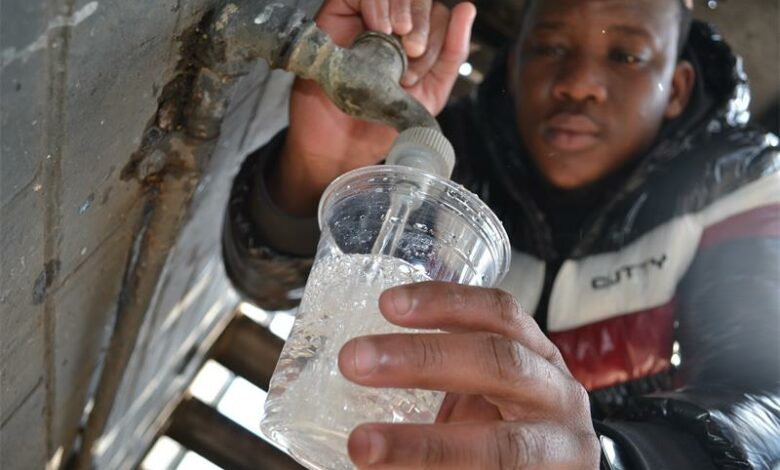
Residents, businesses and institutions across the City of Johannesburg will be prohibited from using municipal drinking water for non-essential outdoor activities from Saturday, November 21.
Johannesburg Water (JW) issued a notice confirming the restrictions will remain in place until further notice. In a statement, the entity said its board of directors approved the move, and the city agreed to it under the water services by-laws.
“The restrictions are intended to reduce water demand, support the recovery of reservoir supply and improve the reliability of water supply across the City of Johannesburg,” reads the statement.
JW also explained that the Gauteng Department of Cooperative Governance and Traditional Affairs wrote to municipalities on November 2, urging them to enforce Level 2 restrictions. This is because JW’s system is under pressure as high water demand places strain on the available treated bulk water supply from Rand Water.
The strain is making it harder for reservoirs and towers to recover after supply interruptions, according to the notice.
Banned under Level 2
According to the notice, watering lawns, parks and public spaces will be prohibited at all hours. Hosing down driveways, paved areas and sidewalks will also be banned, along with dampening building sand.
The irrigation prohibition applies throughout the day and replaces the limited watering hours applicable under Level 1 restrictions. City departments will also have to stop watering parks and gardens with drinking water.
The Johannesburg Roads Agency and its contractors must switch to treated effluent for road construction, while JW’s contractors will do the same for jetting.
“Treated effluent water for the specified road construction and jetting activities is to be sourced from the City’s six wastewater tariffs, which is distinct from the commencement of the water use restrictions and associated technical interventions,” reads the statement.
Water restriction tariffs apply from December
Residents are also informed that the approved 2026/ 27 Level 2 water restriction tariffs will apply from December 1.
According to the entity, the commencement of the restriction tariffs is distinct from the commencement of the water use restrictions and associated with technical interventions.
For conventionally metered homes, the first six kilolitres will cost R7.80 each. The price will jump to R37.48 per kilolitre for usage above six and up to 10 kilolitres. It will keep climbing to R165.41 for every kilolitre above 50. One kilolitre is equal to 1 000 litres.
“Consumers should consult the City’s approved tariff schedule for the charges and provisions applicable to their property, meter type and customer category,” reads the notice.
JW will also introduce flow-management measures aimed at reducing supply volumes by 20% in deemed-consumption and prepaid-meter areas.
Similar interventions could be introduced in other high-consumption areas if the restrictions fail to achieve the required demand reduction.
The utility said safeguards would be put in place to maintain access to at least a basic water supply for households, provide advance notice of planned interruptions and arrange alternative water supplies where interruptions exceed 24 hours.
How residents can save water
JW urged households to repair leaking taps, toilets and pipes, take shorter showers, use buckets rather than hosepipes to wash vehicles and avoid filling or topping up swimming pools with municipal drinking water. It encouraged consumers to reuse suitable greywater for non-drinking purposes, run washing machines and dishwashers only with full loads and report leaks and burst pipes.