Grave concerns soothed
National Institute for Communicable Diseases Head of the Centre for Opportunistic, Tropical and Hospital Infections allayed North East Joburg residents’ fears that the possible exhumation of human remains because of the proposed Linksfield mixed-use development might cause disease outbreak.

Fears that the possible exhumation of human remains could cause a disease outbreak have been allayed.
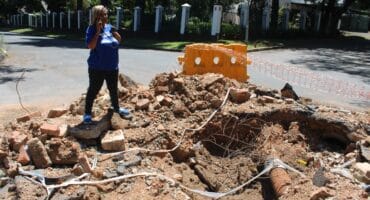
This after residents feared that if the proposed Linksfield mixed-use development, surrounding Sizwe Hospital which is the site of an old cemetery, was given the green light, about 7 000 graves would need to be exhumed.
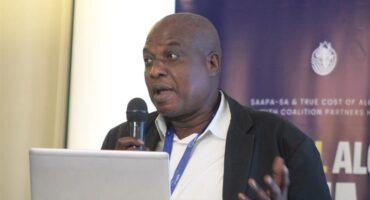
Head of the Centre for Opportunistic, Tropical and Hospital Infections at the National Institute for Communicable Diseases, Prof John Frean said, “Many patients who succumbed to their infections were buried in cemeteries in the hospital grounds, but it is many decades since the last burials took place.
“The human graves are very unlikely to pose a disease risk if they are disturbed in the process of land development for housing, as these pathogens will not survive in the environment for such extended periods.”
Frean said the hospital was an infectious and tropical diseases isolation hospital long before its current role as a dedicated tuberculosis hospital. It stands on a large plot of land that was originally a working farm.
He added that since the hospital’s establishment in 1895, cases of smallpox, plague, sexually transmitted diseases, leprosy, tuberculosis and many other diseases were treated there.
The hospital, formerly known as Rietfontien Hospital, was established 115 years ago and treated patients who had bubonic plague, smallpox, leprosy and TB. Patients who had died from those diseases were buried in close proximity to the hospital.
Marian Laserson, an architect with town planning and heritage experience who is also an environmental activist was concerned that the digging up of these graves could lead to an outbreak of these diseases.
Resident Naomi Dinur also objected to the exhumation. She launched a petition which was signed by 2 800 people.
“Although the residents’ horror at the possibility of releasing airborne old spoor viruses was sneered at by some doctors, if those who support this idea are wrong, the results can be devastating,” she said.
Frean emphasised that under favourable conditions, smallpox can survive for a decade or so, and TB for a few weeks or months outside a living body. He said conditions in an ordinary grave would generally not favour long-term survival, as there would be degradation by moisture.
Resident, Leonora Boer said, “I am concerned that the digging up of the bodies could start a smallpox epidemic. This is not a normal exhumation. This is a scary concern.”
Bokamoso landscape architects and environmental consultants said they were conducting a public participation process and the background information document was available for interested and affected parties.
Details: 012 346 3810.