Teenage pregnancy in the spotlight with Mmoho Campaign
ROSEBANK - Seminar highlights the plight of teenage pregnancy in South Africa.
While most of the contributing factors of teenage pregnancy are well known, the focus now is on addressing and dealing with those issues.
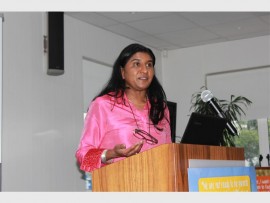
This was the view of Professor Priscilla Reddy who is the deputy executive director of the Population Health, Health Systems and Innovations Research Programme at the Human Science Research Council.
Reddy had a lot to share at the re-launch of the Mmoho Campaign, an initiative that aims to reduce teenage pregnancy while promoting responsible sex education among the youth and teenagers. Mmoho is a Sesotho word that means together.
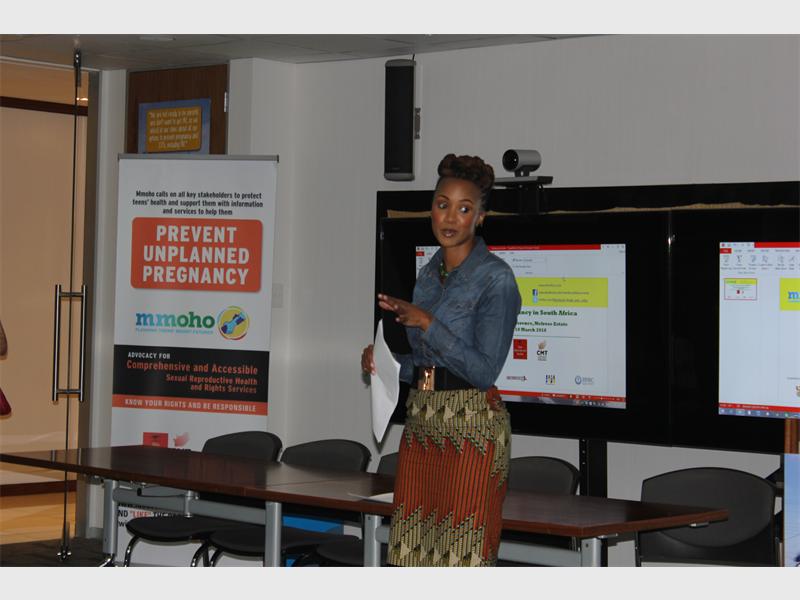
In her opening address, moderator of the day and media personality, Claire Mawisa, said what she loved about the campaign was that it was about young people, with young people.
The campaign is spearheaded by Community Media Trust together with Ibis Reproductive Health, an international non-profit organisation with a mission to improve women’s reproductive choices.
Reddy said among other contributing factors to teenage pregnancy were poverty, gender inequalities, substance abuse, an early sexual debut, unprotected sex and gender-based violence. “You can see that some of the pregnancy cases can be avoided with a change of behaviour,” she said.
“A teenager can choose to not engage in unprotected sex, not to engage sexually at an early age and also not abuse substances.”
She also highlighted that during her research, she noted that in some instances young people had the information and resources but did not know how to use them. “You have a condom, you know it will prevent an unwanted pregnancy but you don’t know how to use it, then end up not using it all,” Reddy said.
The conduct of health workers at clinics and hospitals was in the spotlight in her address too. “There is a generally poor reception of
young people at the clinics. They are made to feel unwelcome and they end up not going to clinics.”
Reddy made this in reference to the mortality rate of young pregnant teenagers. “Some of them end up not going to antenatal clinics where they could be monitored for any possible complications. Complications are discovered very late, mostly during delivery and the teenage mothers don’t make it.”
According to Reddy, there was an institutional maternal mortality ratio of 97.7 deaths per 100 000 live births in teenagers between 2011 and 2012.
One of the teenage mothers who was at the seminar, 18-year-old Sanelisiwe Nomadwayi, shared her experience with attendees. She said the hardest part of being pregnant for her was the rejection she received from those around her. “Everyone around me judged, it even got to a point where I felt like dropping out of school because I felt unwelcome there,” she said.
With the encouragement of a neighbour and one of the ambassadors of Mmoho, Nomadwayi continued with her studies and didn’t dropped out of school.
Details: www.mmoho.co.za; @add_your_voice; Facebook MMOHO.ADDYOURVOICE