Relive the memories
WESTCLIFF – Citizens and visitors can now explore a world-class permanent exhibition of the genocide memories at the Johannesburg Holocaust and Genocide Centre.
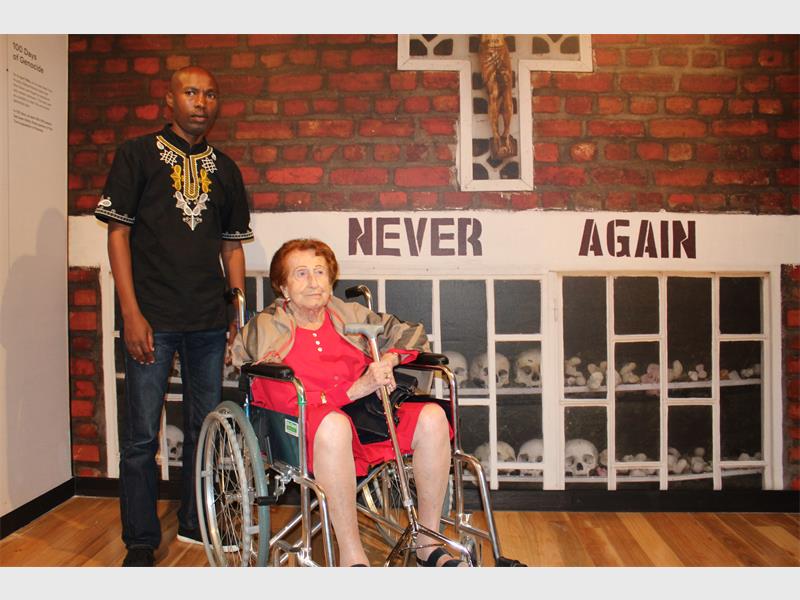
A building whose every block and piece is full of symbolism was officially opened for visitors to explore genocide and Holocaust remembrance through a permanent exhibition. The Holocaust and Genocide Centre (JHGC) situated in Westcliff, was opened for citizens and visitors to explore the history of genocide, or mass killings of certain groups of people in the 20th century with a focus on case studies of the Holocaust and 1994 genocide in Rwanda.
Exhibition curator Lauren Segal said the exhibition was started with a script of written stories from the various role players and it was up to them to take the words of the script and turn them into the exhibition framework which was not easy.
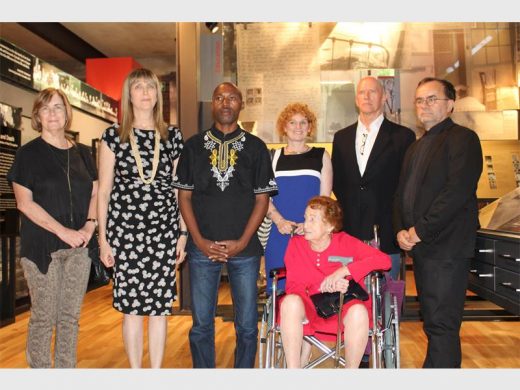
“The magic is what happened from thereon because we started listening more to the voices of survivors, collecting objects from them and these objects became the heart and soul of what we are showing today,” said Segal.
Designer Clive van den Berg added that their ultimate intention was to make something beautiful out of the atrocities done during those times.
The award-winning building was completed in 2016 after many intensive years of fundraising, planning and designing. Founder and director of the centre Tali Nates said the non-profit organisation was using Rwanda as a starting point so that local people can learn from the experience of others and connect it with their own history. “Our institute teaches the consequences of prejudice, racism and ‘othering’, antisemitism, homophobia, xenophobia and the dangers of indifference, apathy and silence,” said Nates.
She added that the collection of photos, testimonies, poetry, art, multimedia, timelines and artifacts teaches visitors to reflect on moral choices of victims, perpetrators, resisters, rescuers and bystanders.
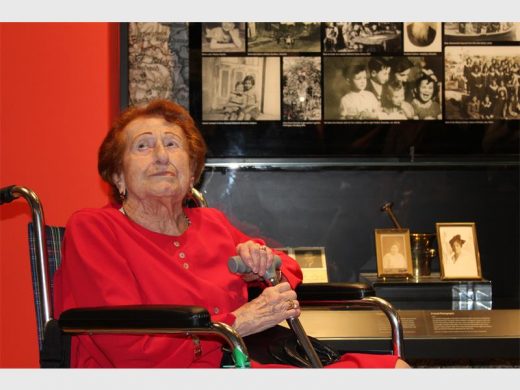
Holocaust survivor, Veronica Phillips was born in 1926 in Budapest, Hungary. She, alongside her mother and brother, survived the international ghetto in Budapest, concentration camps and the ‘death march’ while her father got murdered. She said the centre not only touched ‘the head and mind but also the heart’ and it would impact a lot of people for years to come.
A 1994 Rwanda genocide survivor, Sylvestre Sendacyeye, was born in 1980 and had both parents murdered with three of his siblings while he survived with two of his brothers.
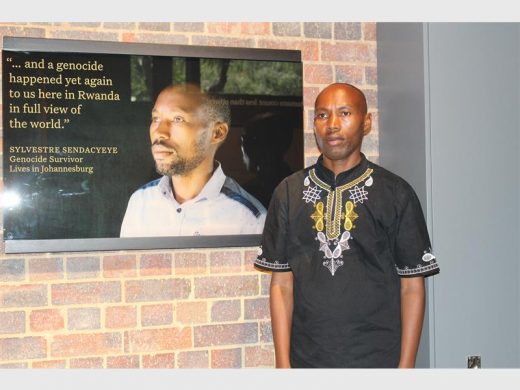
Sendacyeye said, “At first I was scared to tell my story because I saw people having trauma afterwards; but as soon as I started telling it day by day, my healing started.”
Father Patrick Desbois, a Roman Catholic priest who devoted his life to researching the Holocaust said the Holocaust was ‘not a national disease but a human disease’ which means perpetrators should be held accountable for their personal or moral choices.
Details JHGC 011 640 3100; shirley@jhbholocaust.co.za
Have you been to the centre? Share your experiences with us on Facebook at Rosebank Killarney Gazette
Related Articles:
Night of honour and harmony at the Johannesburg Holocaust and Genocide Centre