Water catchment areas in the spotlight
ROSEBANK – An R18-million initiative towards water projects was launched by the Coca-Cola Foundation.
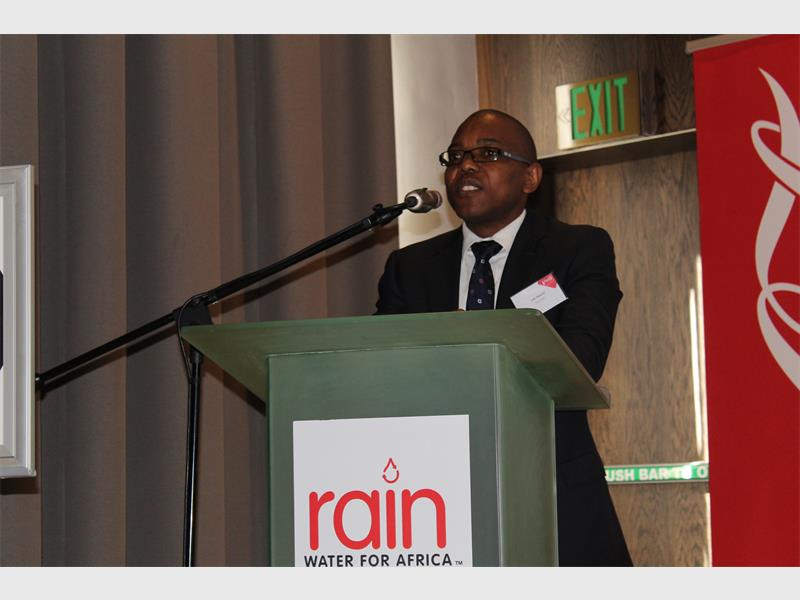
The importance of preserving our ecosystem has been a subject of interest over the years and water conservation is a vital part of that subject. The Replenish Africa Initiative (Rain) was launched at the Hyatt Regency Hotel in Rosebank in an effort to help replenish precious water into nature.
According to the emcee from the Coca-Cola Company South Africa, Lebogang Makoloyi, through the initiative, the Coca-Cola Foundation would launch an R18- million initiative as a way of investing in projects to remove ‘thirsty’ invasive alien plants from five main water catchment areas that feed major cities and towns across the country.
These invasive alien plants can consume enormous quantities of scarce water resources and thereby intensify impact of fires and floods as well as increase soil erosion.
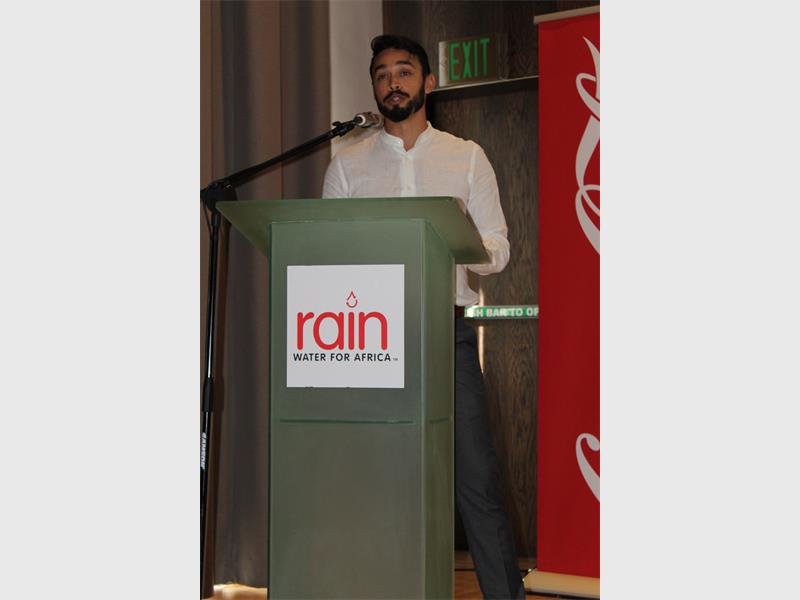
General manager for the Coca-Cola Company SA, Luis Avellar said, “We are confronting water crises in many parts of the country. Government is putting initiatives in place to combat water shortage and secure water supplies for generations to come. Today we are celebrating the launch of five [of the initiatives] projects which will focus in water restoration in key catchment areas.”
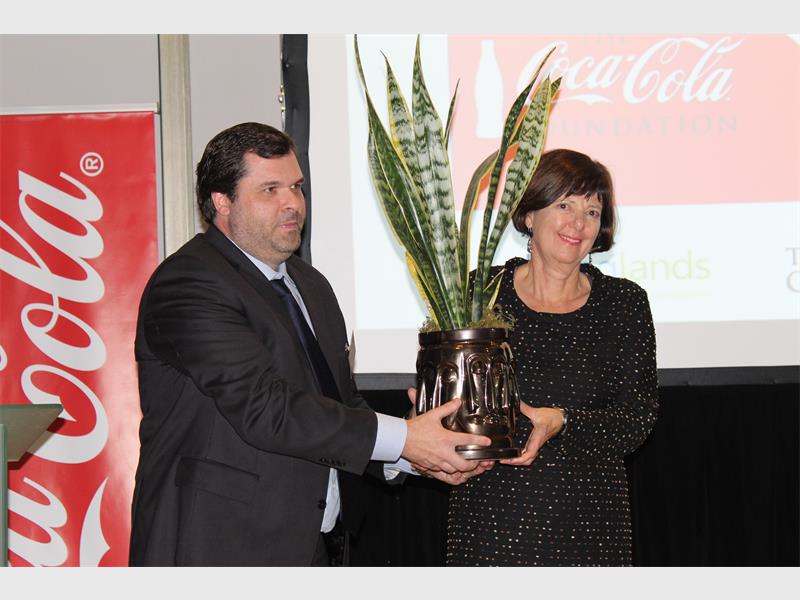
Avellar added that the projects will support economic empowerment and skills development in rural areas across South Africa. In total, the projects will seek to clear more than 750 hectares of invasive alien plants and will employ 130 people, focusing on providing training, mentorship and job opportunities for women and youth.
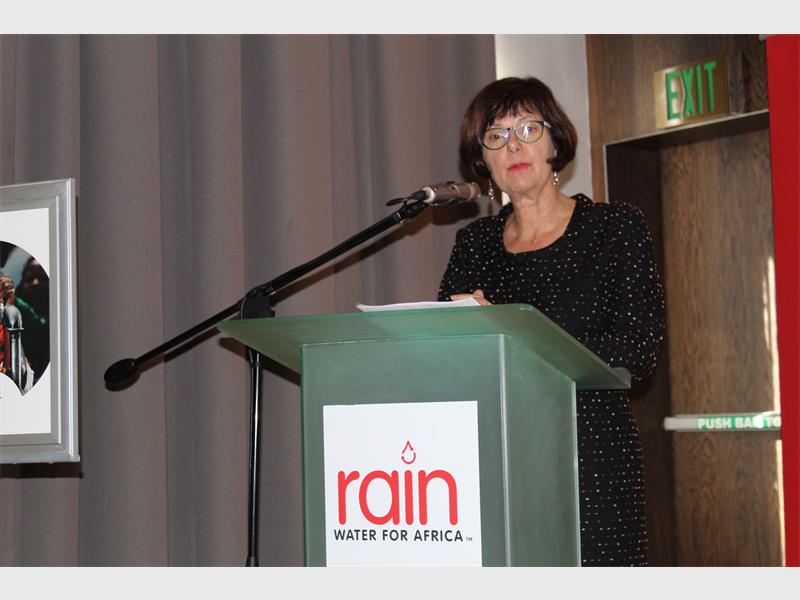
The Minister of Environment, Forestry and Fisheries, Barbara Creecy said private and public partnerships need to plan on reaching an additional 750 hectares of plants in the next five years.
“As shown by the KwaZulu-Natal floods earlier this year, extreme weather conditions can cause flooding if those catchment areas are not protected from activities that may undermine their sustainability. We all have a collective duty to make it clear that investments in eco activities are a protection of our water sources.”
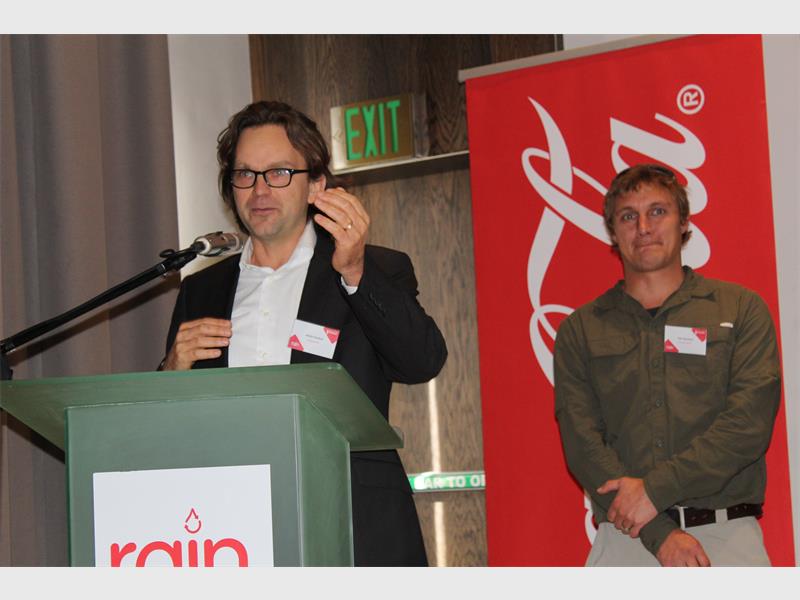
Four groups presented their respective projects in the key catchment areas. These include Living Lands, the World Wildlife Fund for Nature, the Endangered Wildlife Trust and The Nature Conservancy.
Creecy concluded by suggesting, “The partnering groups need to map out the work done so far and develop a common package such as a common programme of public education in all areas. Let everyone be involved in these environmental issues instead of just a handful few.”
Details: Department of Environmental Affairs www.environment.gov.za
Are you hosting an events related to eco conservation in the community? Email invitation details to naidines@caxton.co.za
Related Articles: