Parents also need support when their children are ill
Congenital heart disease is common, affecting one in 100 children, but people still find it hard to believe that such a small child can have heart disease.
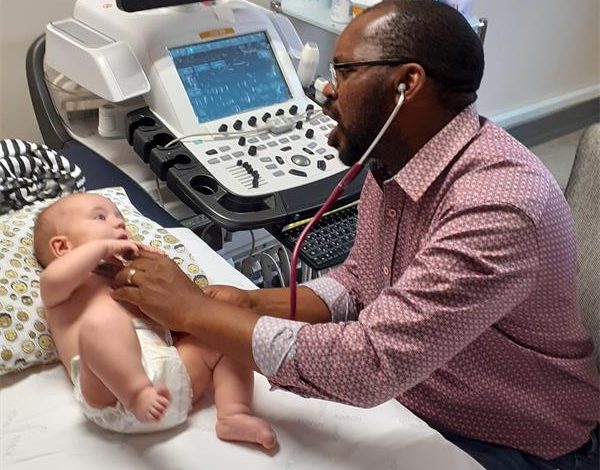
The emotional journey of parents when a child is ill may not be comprehended by the next person. Head of Cardiology at the Nelson Mandela Children’s Hospital (NMCH) Professor Hopewell Ntsinjana, has dealt with many parents of very ill children. As a paediatric cardiologist, he has seen the emotional journey of parents when a small child hovers on the edge of life.
“Congenital heart disease is common, affecting one in 100 children, but people still find it hard to believe that such a small child can have heart disease,” Ntsinjana said.
He added that parents react in different ways to the news saying, “They are usually shocked, in denial, angry or they blame themselves. I then have to convince them that they did nothing wrong. They usually need extensive counselling to cope with the news.”
Carly Herman, the mother of four-month-old Cara-Lee, calls Ntsinjana ‘the heart whisperer’, because, “He not only whispered to her heart, but also to mine”.
The family’s paediatrician sent her to the hospital to see Prof. Ntsinjana and the family almost cancelled the appointment because Cara-Lee, who was then five weeks old, was not looking sick and was only battling to drink. After examining her, Ntsinjana had to tell her parents that she was gravely ill and had to be admitted immediately. She was on the brink of heart failure.
“He gave us time to process the news and made it clear that there is not even time to get a second opinion. We had to trust people we did not even know, but everybody at the hospital made it so much easier for us. They were always hugging us and reassuring us and gave us individual attention that made us feel that Cara-Lee was the only patient there.”
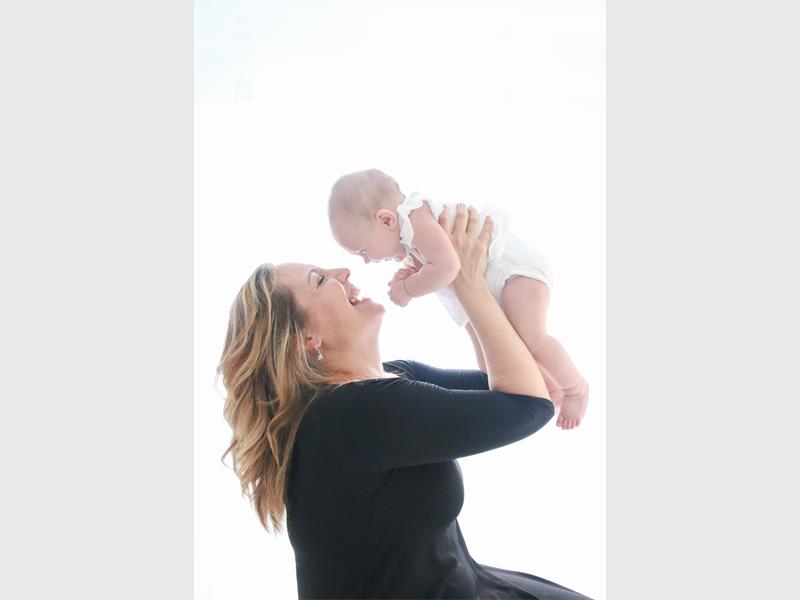
Cara-Lee was one of the children attending the party to celebrate the children who went through surgery to repair their hearts.
With so much emotion involved, Ntsinjana explained that this is why the hospital offers family-centred care with the child at the centre. “This is not a one-stop-shop where a child has a heart operation and then goes away. We follow them until they reach adulthood because they have to receive treatment at various stages as they grow and we encourage them to honour their appointments.”
The professor added that even when parents emigrate, they have to first speak to him so that he can refer them to a new doctor in the country. This ensures that the new doctor has all the information necessary about the child. Prof. Ntsinjana feels like a third parent to the children.
“Sometimes I would forget the parents’ names, but I never forget the names of the children. Each one of them is unique and it is important to remember that they are not adults squashed into a child’s body.”
Details: Nelson Mandela Children’s Hospital
Related articles:
https://www.citizen.co.za/rosebank-killarney-gazette/272787/have-a-heart-for-kids-with-congenital-heart-defect/
https://www.citizen.co.za/rosebank-killarney-gazette/259057/happy-hearts-for-little-heroes/