
Q and A on Leti
BRAAMFONTEIN – Based on dental eruption, Leti would have been about 4 to 6 years old when she died.
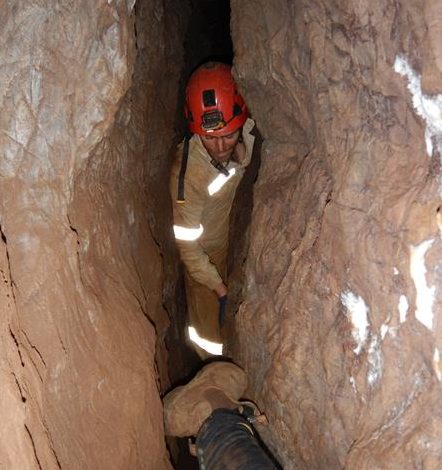
An international team of researchers led by Wits University Professor Lee Berger has discovered and revealed the first partial skull of a Homo naledi child that was found in the remote depths of the Rising Star cave in Johannesburg, South Africa.
The child was named Leti short for Letimela which means ‘the lost one’ in the Setswana language.
Announced on November 4, 21 researchers of Wits University and 13 other universities announced the discovery of parts of the skull and teeth of the child that died almost 250 000 years ago when it was about four to six years old.
Since its discovery the researchers have been learning as much as they can from the skull while they continue to try discover more about our ancestors of that time.
Wits University had a shared a few things they have learnt and what people might be curious about through a question and answer platform:
Q, Was Leti a male or female?
A, We do not know if Leti was a male or female. Future studies using such methods as ancient proteins may establish its sex.

Q, Could the skull have been carried there by a scavenger or predator, or been washed into the passage?
A, How the skull of the child came to rest in this remote location remains a mystery. However, there is no visible predator or scavenger damage on any parts of the skull, nor is there any evidence that suggests that the sediments surrounding Leti have been moved by water or other means, that may have resulted in the depositing of the skull into this remote location.
Q, Was Leti buried?
A, It is not known whether Leti was buried in the passage or whether her bones were placed there. However, there have been no remains of Leti’s body found yet. The situation where Leti’s skull was found is very difficult to access, making excavation difficult, but at this stage it appears that only Leti’s skull was in the passage.
Q, How old was Leti when she died?
A, Based on dental eruption, Leti would have been about four to six years old when she died if she matured like a human. But at present we have not established exactly how fast Homo naledi children grew, so it is possible she was younger.
Q, Do we know how Leti died?
A, There are no signs of injury on Leti’s skull, although it is in many fragments, so we don’t know what caused her death.
Q, How long ago did Leti live?
A, We cannot date the area where Leti was discovered but the remains of other Homo naledi found nearby date to between 236 000 and 335 000 years ago and at this time it is hypothesised that Leti is the same age as these nearby remains.

Q, Did Leti walk upright?
A, Since we don’t have any bones from Leti’s body we have to look at those of other specimens of Homo naledi to establish how they walked and these all walked on two legs. As Leti’s skull and teeth don’t differ from other remains of naledi discovered, it is rather certain she also walked upright like her relatives.