IIH patient counts her blessings
HIGHLANDS NORTH – IIH patient discusses her condition and raises awareness about the rare disease.
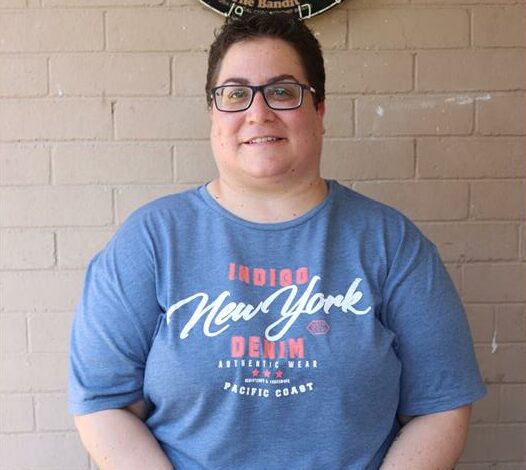
Rare disease sufferer Lori Osrin continues to count her blessings despite trying circumstances.
The Highlands North resident was diagnosed with a rare condition known as idiopathic intracranial hypertension in 2011 after struggling with a blinding headache and problematic vision.
“I had never been a headache sufferer, but I knew my body and I knew that something was wrong,” said Osrin.
The disorder is related to high blood pressure in the brain and results in swelling in the optic nerves.
Osrin has since lost her peripheral vision and has had nine surgeries since 2012. She has a shunt in her spine to help drain the pressure from her head and is on a number of medications to lessen the pain.
Her current shunt is malfunctioning, resulting in Osrin being very unwell since October while she waits to receive a new shunt.
Attacks, cold sweats, facial spasms, nausea and vomiting take place regularly. She now works from home within her own limits and feels unable to go out, fearing that she will have another attack.
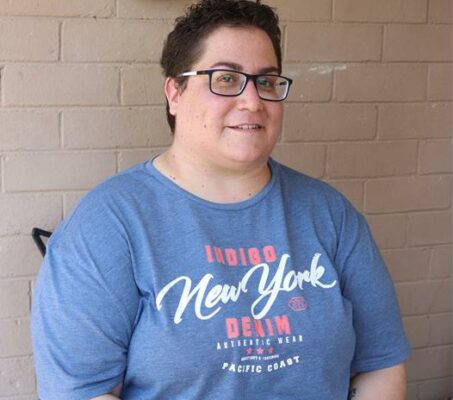
“I have physically deteriorated dramatically, but mentally, emotionally and spiritually I am in a better place. Once I accepted that this is my lot in life, I have coped much better. This condition is not for me to question. I am not as angry as I was before. I still have bad days but I try to find blessings in the chaos. This condition has led me to the most incredible people who have supported me.”
Osrin said while it only took a few weeks to receive her diagnosis, others in the public health system may struggle for months before being properly diagnosed.
She said the lack of information in circulation concerning the disease was disappointing. She added since this was an invisible disease it could also affect one’s social life.
“I didn’t know I had the strength I had mentally to be able to withstand this. My body has got me through and I am thankful.”
She advised community members to listen to their bodies.
“If you think that something is not right, don’t let others tell you differently… Try walk a path of acceptance, get a lot of information on your condition and don’t let anger take over.”
She encouraged community members to make themselves aware of rare diseases such as the one she has, and support Rare Diseases South Africa so that more research could be done concerning these conditions.
“Rare diseases don’t discriminate. A lot of people think it won’t affect them because it is invisible, but it’s important to be aware and supports those who are struggling.”
Details: www.rarediseases.co.za
ALSO READ: