
Patients go hungry as Charlotte Maxeke Hospital hit by sudden food shortage
A failed food safety inspection at a provincial cook-freeze facility has left patients at Charlotte Maxeke Johannesburg Hospital without proper lunches, forcing families to step in as concerns mount over hygiene and management.
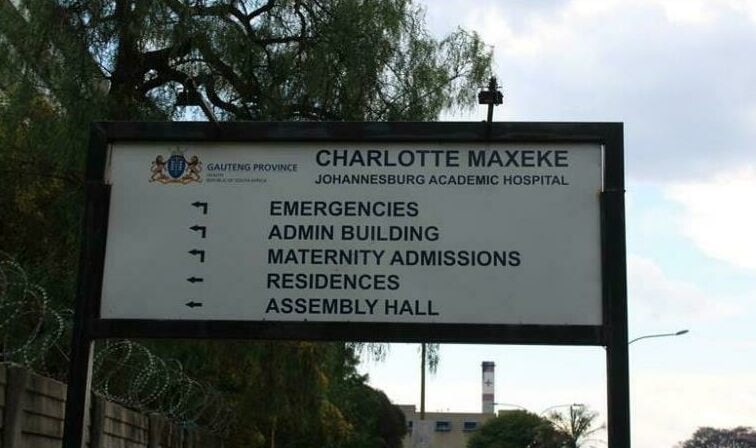
Patients at Charlotte Maxeke Johannesburg Hospital (CMJH) are facing an unexpected and distressing crisis: Lunchtime meals have all but disappeared, leaving some of the province’s most vulnerable citizens hungry in their hospital beds.
The situation came to light during a visit by DA Gauteng Shadow Health MEC Dr Jack Bloom, after he received several complaints about the deteriorating quality of hospital meals. What he found was far worse than anticipated. “I was shocked to discover that patients were getting nothing more than a single slice of bread with margarine and cheese for lunch.”
Read more: Warriors With A Purpose hosts heartfelt Pink October event at Charlotte Maxeke Academic Hospital
Bloom described the meal as deeply inadequate for individuals recovering from illness or undergoing treatment. Ordinarily, patients would be served a standard plate consisting of meat, vegetables, and a starch, something far closer to what is expected in a healthcare setting.
According to staff, the problem began last week, when the Masakhane Cook Freeze Factory in Tshwane, the central supplier of plated lunches to six hospitals and 17 community health centres, was shut down by city inspectors. Tests reportedly detected E coli contamination in the food, prompting the immediate closure of the provincially run facility.
A nurse at CMJH, who spoke on condition of anonymity, said families have been stepping in to fill the gap. “Relatives are now bringing in food because patients can’t go without. It’s heartbreaking to see people in pain and still worried about where their next meal will come from.”
Also read: Charlotte Maxeke Johannesburg Academic Hospital opens Breast Cancer Imaging Unit
The Masakhane facility was responsible for producing 8 000 plated meals each day for several major facilities, including the Jubilee, Odi, Tshwane District, Bronkhorstspruit, and Lenasia District hospitals. Its sudden shutdown has sent shockwaves through the health system, exposing its heavy reliance on a single centralised food operation.
Bloom criticised what he described as years of poor management and a failure to adequately invest in essential equipment. “It is shameful that a provincial food facility has been shut down because of contaminated food. This did not happen overnight, it is the result of neglect.”
For now, however, patients across Gauteng are bearing the brunt of a crisis they had no part in creating. Many are elderly, or recovering from operations, while others have no family nearby and rely entirely on the hospital system to meet their basic needs.
CMJH is able to provide breakfast and supper through its own kitchen, but without the frozen plated lunches previously delivered daily, the midday meal has become a glaring gap in patient care.
As concern grows among families and healthcare workers, questions remain about how long the situation will last, and what immediate measures the provincial health department is implementing to protect patients.
We reached out to the hospital for comment and the story will be updated once we receive feedback.
Follow us on our WhatsApp channel, Facebook, X, Instagram and TikTok for the latest updates!