Africa’s very own crocodile
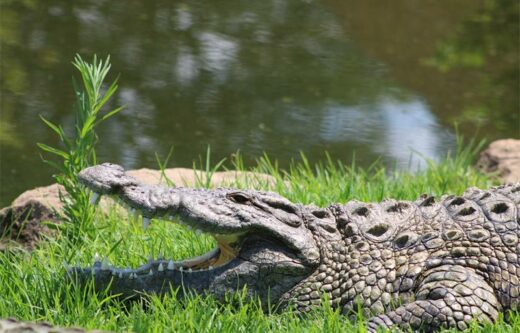
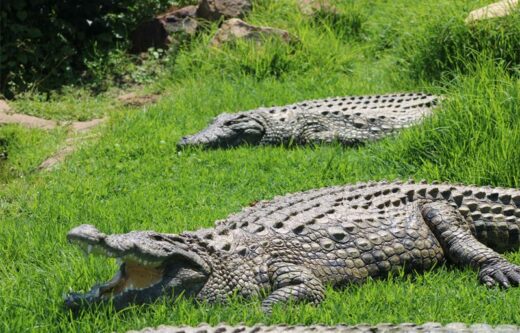
Visit Joburg Zoo to see the beauty of Nile crocodiles being relatively social, Mlando says.
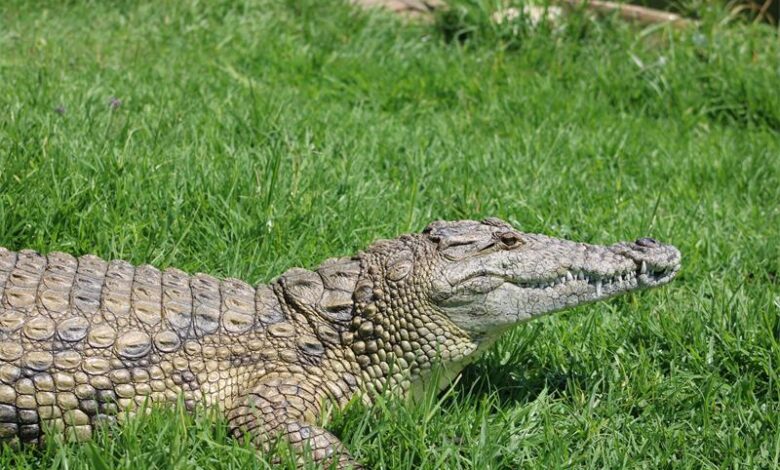
One of the most dangerous and deadly reptile species in the world is the crocodile.
Johannesburg Zoo offers one the luxury of meeting and seeing these reptiles live and up close.
The Gazette was invited to learn more about the crocodile.
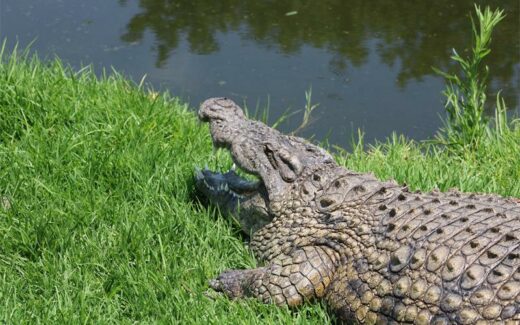
Mlando Dlomo, the reptile keeper who conducted the meeting, explained that the Joburg Zoo only has two types of crocodile species: the Nile crocodile and the West African dwarf crocodile.
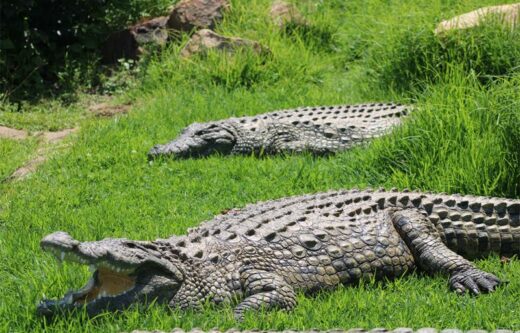
He said they have twelve Nile crocodiles, six males, and six females, as well as one male dwarf crocodile, and highlighted that the Nile is only found in Africa and is considered the second-largest crocodilian globally.
ALSO READ: Fun facts about the West African dwarf crocodile
“The Nile crocodile has a streamlined body and a long, sturdy tail. It can live for about 45 years in the wild and up to 80 years in captivity, and both adults may easily exceed 225 kg, but females of this species are noticeably smaller than the males,” said Dlomo.
He adds that their diet is not complicated as they feed on insects, amphibians, fish, and land mammals, and if one wishes to see them feeding, one must visit the Zoo on Sunday mornings to see the action.
ALSO READ: Meet the reptile keeper at Joburg Zoo
Here are some fascinating facts about the Nile crocodile:
- They have the strongest bite in the animal kingdom, and their bite can exert a force eight times more powerful than that of a great white shark and 15 times more than a Rottweiler’s.
- When young crocodiles are hatching, either parent may help them out of the egg by rolling it between their tongue and palate, this helps to crack the shell, allowing for an easier escape.
- Female crocodiles exhibit impressive maternal care as they use their massive jaws to transport newly hatched eggs to a “nursery pool,” where they guard them against predators.
- If baby crocodiles are in danger, the adult female may pick them up and flip them into her mouth or gular (throat) pouch for protection.
- Large crocodiles swallow stones known as gastroliths to act as ballast, helping them to balance their bodies underwater.