
Africa’s first liver perfusion machine arrives at Wits Donald Gordon Medical Centre
New medical technology at the Parktown-based hospital could be the answer to increasing the number of donor livers available for transplant and enhancing patient outcomes.
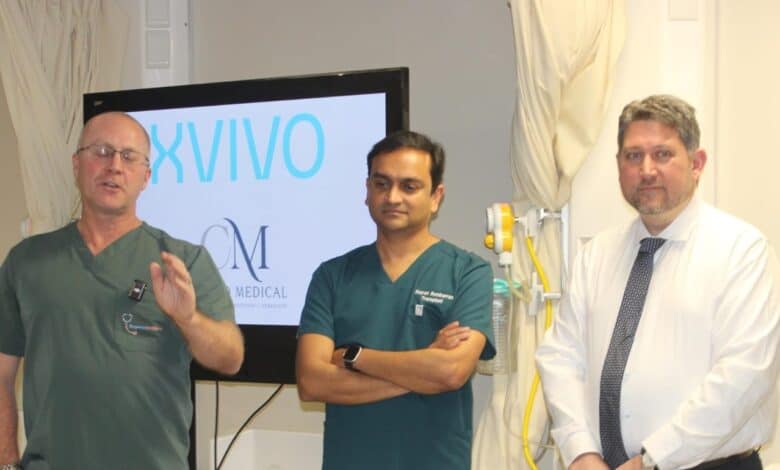
Patients awaiting liver transplants could soon benefit from a technological development in transplant medicine after the Wits Donald Gordon Medical Centre (WDGMC) in Parktown became the first hospital in Africa to introduce a liver perfusion machine in relation to liver transplantation.
What is described as ‘the state-of-the-art machine’ keeps donor livers usable outside the body, giving medical experts time to monitor, access and improve the state of the organ before performing a transplant.
Read more: Smile Week prioritises healing and mobility for child patients
The technology can increase organ transplantation, decrease difficulties and improve outcomes for patients waiting for life-saving transplants.
The machine was brought forth through a partnership between WDGMC and Surgeons for Little Lives, with support from Weelee. Additionally, local distributor Coligo Medical facilitated the introduction of the XVIVO-manufactured technology to South Africa.
Professor Jerome Loveland, head of solid organ transplantation at WDGMC, said the machine would assist transplant teams in better analysing donor organs and help increase the number of livers that can be transplanted safely.
Ordinarily, donor organs are preserved on ice before a transplant is performed. According to transplant surgeon Dr Sharan Rambarran, “This technology changes the level of information we have available before transplantation.
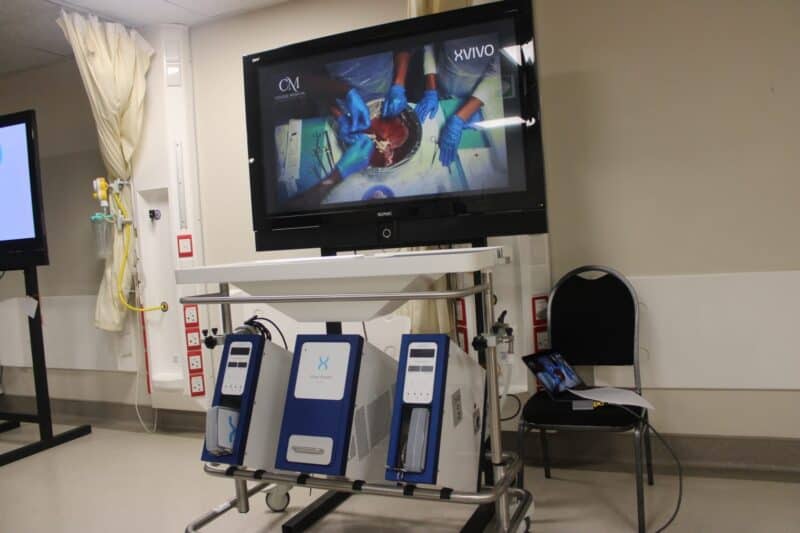
Traditionally, organs are preserved on ice, and assessment is limited. Machine perfusion allows us to monitor how the liver is functioning outside the body.
Also read: Charlotte Maxeke Johannesburg Academic Hospital launches child protection week campaign
Beyond the valuable information it provides, the machine has the ability to resuscitate the liver by delivering oxygen to the liver cells, creating the best metabolic environment outside the body.
This helps us make more informed clinical decisions and potentially increases the number of organs that can safely be transplanted.”
As South Africa continues to face serious organ shortages, and transplant teams are often tasked with making difficult decisions, Dr Bilal Bobat, transplant hepatologist at WDGMC, said broadening organ utilisation could have a direct impact on survival.
“Too many patients in South Africa deteriorate while waiting for a transplant because there are simply not enough donor organs available.”
The machine was welcomed as a major step forward, stressing that with increased organ donation, life-saving transplants could be improved in South Africa.
Follow us on our Whatsapp channel, Facebook, X, Instagram and TikTok for the latest updates and inspiration!