Johannesburg residents urged to play a bigger role in shaping the city’s future
JoburgCAN executive director Julia Fish says stronger community involvement and partnerships are key to addressing Johannesburg's urban challenges, from infrastructure maintenance to development pressures.
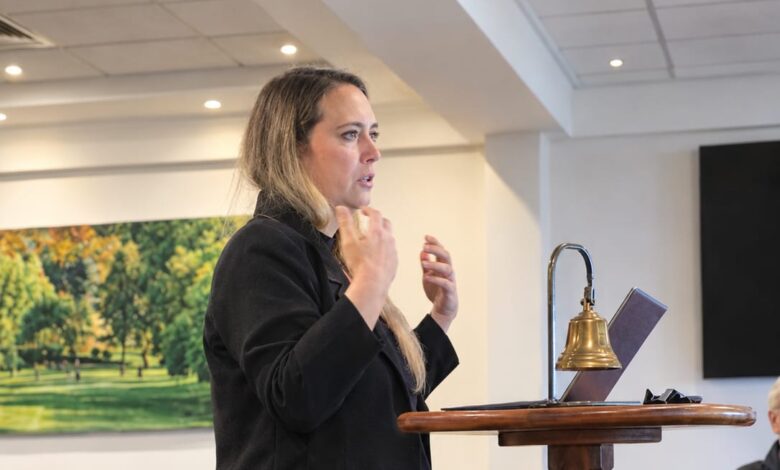
Community involvement is essential for addressing Johannesburg’s challenges, as relying on the municipality alone is insufficient, according to JoburgCAN Executive Director Julia Fish.
Fish delivered this message while addressing the Rotary Club of Johannesburg New Dawn, highlighting the need for collaboration between residents, businesses, and city administrators.
Read more: Rotary Club cleans the park
Active community participation required
During her presentation, Fish encouraged communities to move beyond voicing service delivery complaints and actively participate in finding practical local solutions.
She noted that residents’ associations are already contributing to their areas by funding maintenance, organising street cleaning, and improving public spaces.
Fish also outlined how special rating areas offer structured funding for local upgrades, while community-municipal partnerships help prevent project delays.
Her address focused on establishing sustainable relationships between residents and city officials, particularly as Johannesburg faces ongoing service delivery, urban planning, and infrastructure difficulties.
Pressures from unmanaged urban development
However, community involvement forms only part of the solution.
Fish expressed concern over pressures from urban development, including illegal construction, rising densification, and building by-law enforcement.
She raised issues regarding municipal planning tribunals and heritage property protection, warning of risks associated with unmanaged development.
As Johannesburg expands, these factors prompt questions on how existing infrastructure can sustain development while maintaining the character of established suburbs.
Local action and accountability
For local communities, residents’ associations provide a platform to organise responses, set priorities, and engage relevant authorities. Nevertheless, these initiatives rely on effective municipal partnerships and transparent service accountability.
Also read: Rotary Club of Johannesburg New Dawn welcomes new president
The talk sparked questions from Rotarians, who discussed the city’s hurdles and potential community solutions with Fish.
Rotarian Linda Vink thanked Fish, stating the session left her optimistic about Johannesburg’s future.
Reflecting on her experience in a neighbourhood with an active residents’ association, Vink remarked that while some residents complain, others invest substantial effort into community improvement.
She highlighted the vitality of local neighbourhoods, pointing to contributions from local businesses and younger residents.
The gathering underscored the necessity of moving from discussing problems to taking practical action alongside civic bodies.
In addition to civic discussions, the Rotary Club of Johannesburg New Dawn supports charitable projects, hosting its annual golf day on October 16 to raise funds for Donate-A-Loo and The Link Literacy Project.
As dialogue on the city’s future continues, Fish emphasised that progress requires community involvement, strong partnerships, and shared solutions.
Follow us on our Whatsapp channel, Facebook, X, Instagram and TikTok for the latest updates!