CorpsAfrica welcomes new volunteers for rural community development
New beginnings and a commitment to community development took centre stage as CorpsAfrica welcomed its latest volunteers and celebrated those completing their service at Killarney Country Club.
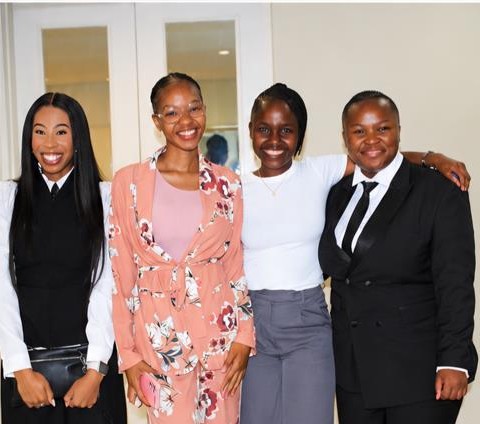
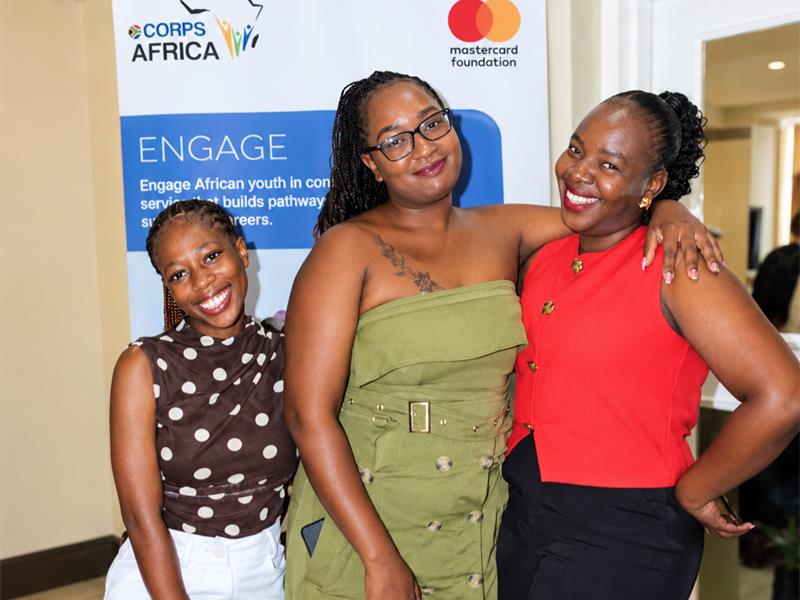
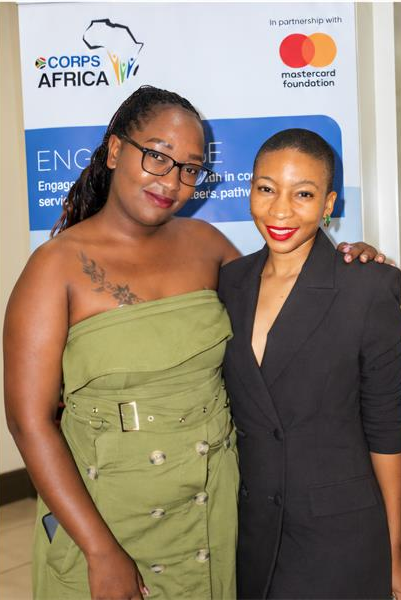
Cheers and applause filled Killarney Country Club on October 15, as CorpsAfrica celebrated a new chapter for its volunteers, marking the end of training for its incoming group and recognising the contributions of those completing their service.
The swearing-in and close of service ceremony brought together volunteers to celebrate their achievements and prepare for the next stage of their journeys in communities across South Africa.
Read more: Economic development committee demands real job creation from government and private sector
For the incoming cohort three volunteers, the ceremony marked the beginning of an opportunity to learn beyond the classroom, embrace unfamiliar surroundings and contribute to the development of rural communities.
CorpsAfrica country director Kelo Kubo said the organisation typically welcomed between 40 and 50 new volunteers each year, beginning with an intensive six-week training programme before deploying them to communities.
“Today marks the end of the six weeks, where they are then sworn in as volunteers and placed in communities,” Kubo explained.
The programme, however, is about more than volunteering; it encourages personal growth by placing participants in environments beyond their familiar surroundings. “We are trying to build resilience and expose the volunteers to parts of the country that they don’t know,” Kubo said.
Volunteers may be placed in different provinces from their own, giving them the opportunity to experience new languages, cultures and ways of life. Kubo believes stepping outside one’s comfort zone can make the experience even more rewarding.
Also read: COJ’s property and development laws questioned after Norwood’s historic house demolished
Although the programme welcomes graduates from different academic backgrounds, certain skills can be particularly valuable in rural communities where agriculture remains an important source of livelihood.
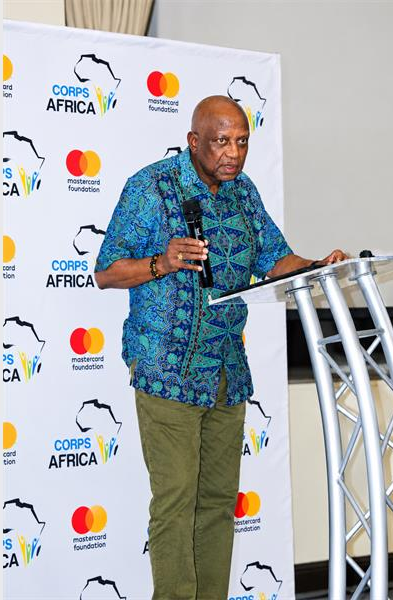

Kubo said graduates with backgrounds in agriculture, development sciences, environmental studies and social sciences often had skills that could benefit the communities they served.
The programme also places emphasis on entrepreneurship and helping young people establish sustainable livelihoods, with support from the Mastercard Foundation. Graduates with business knowledge and technical skills can help communities develop income-generating initiatives and explore opportunities for economic growth.
Training also continues throughout the volunteers’ service, with additional learning opportunities provided during their placements.
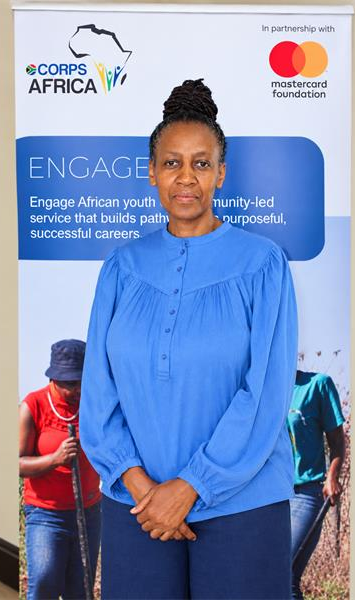
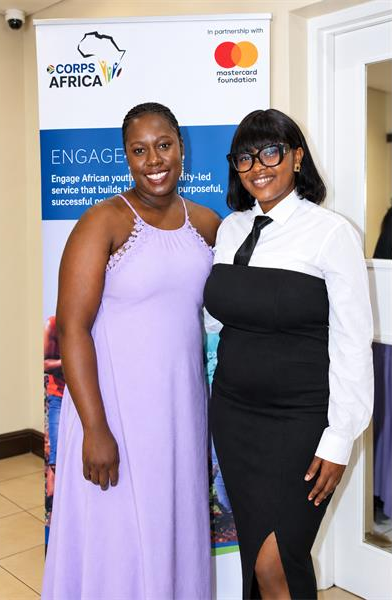
As outgoing volunteers celebrated the completion of their service and the incoming cohort prepared to begin theirs, the ceremony highlighted the role young graduates can play in supporting communities while gaining valuable experience of their own.
Follow us on our WhatsApp channel, Facebook, X, Instagram and TikTok for the latest updates!