
Education leaders explore AI and the future of the workplace at Hyde Park event
As South Africa tackles youth unemployment and skills shortages, conversations such as the Education and Skills Dialogue help bridge the gap between education and employment, ensuring graduates are prepared to thrive in the workforce.
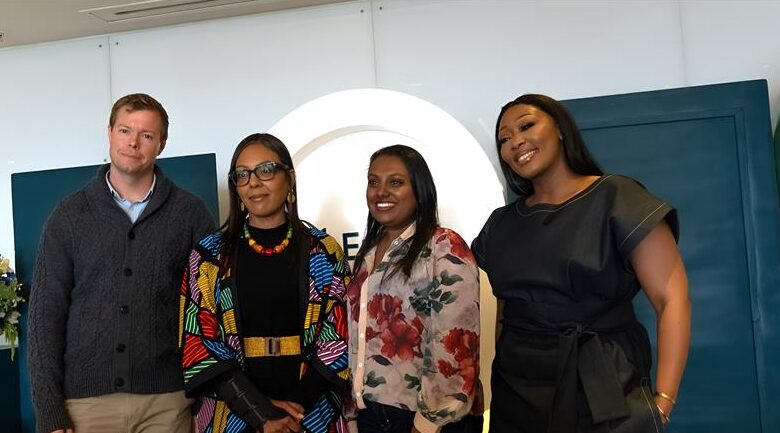
Educational leaders and industry experts gathered in Hyde Park to explore how South Africa’s education system can better prepare students for a rapidly evolving workplace as artificial intelligence continues to reshape industries.
The panel included South African Qualifications Authority (SAQA) CEO Nadia Starr, Emeris head of communications Sarnelia Mandapalli, Vega School lecturer Anthony Wingfield and media entrepreneur Lebo Lion, who facilitated the conversation.
Read more: Women lead the conversation at Forbes Woman Africa Summit 2026
They shared insights into the changing relationship between education, technology and employability. The event also marked Emeris’ 84th anniversary, reflecting on its long legacy while celebrating its first year under its new identity.
A key theme throughout the discussion was that AI should be embraced rather than avoided. Panellists agreed that AI is fundamentally changing what learners learn and how they learn, requiring institutions to rethink traditional models of teaching, learning and assessment.
According to Wingfield, Private Higher Education Institutions (PHEIs) must ensure learning remains relevant to real-world industry demands. “Part of my role is to understand what real-life scenarios students are going to be dealing with, not just heavily packed theory,” he said.
Wingfield noted that the role of PHEIs is evolving from content delivery to cognitive coaching, with lecturers serving as facilitators of critical thinking, ethical decision-making and problem-solving skills.
“AI is not going to take your job. Someone who knows how to use AI will take your job,” Wingfield said.
Also read: Bryanston post-summit roundtable discusses how AI is changing businesses globally
He added that institutions that view AI purely as a threat risk becoming irrelevant, while those that redesign their educational models around human-AI collaboration will be better positioned to succeed.
The discussion also highlighted the importance of ensuring that qualifications remain relevant in a fast-changing environment. Starr explained that qualifications are reviewed regularly to ensure they remain aligned with emerging industry needs and technological developments.
“While AI may transform the world of work, formally recognised qualifications remain a permanent and valuable record of achievement. AI can intervene, but it will never be able to take your qualification away from you. It will always be there, no matter how drastically the world changes,” Starr said.
She further highlighted SAQA’s role in overseeing South Africa’s National Qualifications Framework and ensuring that qualifications remain credible, transferable and internationally recognised.
The panel also explored the importance of stronger collaboration between education providers and industry.
“It’s important that institutions work with businesses to ensure that we are filling the gaps they need,” Mandapalli said.
Follow us on our Whatsapp channel, Facebook, X, Instagram, and TikTok for the latest updates!