Women’s Dialogue on Gender Parity and Gender-based Political Violence
Minister in the Presidency for Women, Youth and Persons with Disabilities, Dr Nkosazana Dlamini Zuma, said "There is no society that can reach its full potential without us women."
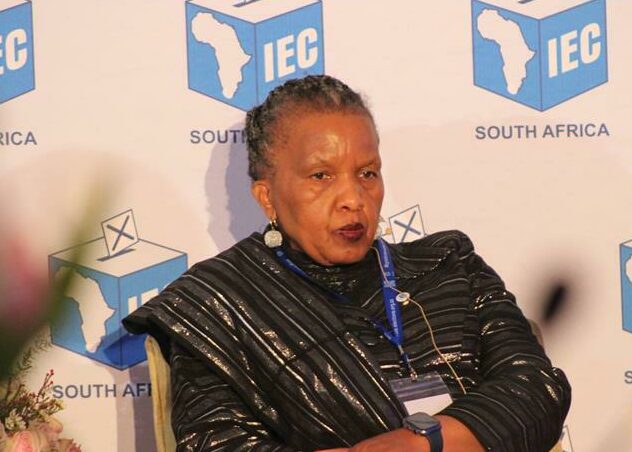
Women’s Month closed on a higher note at the Radisson Blu Hotel Sandton, where men and women sat down and talked about gender parity and gender-based political violence.
One of the main topics of discussion at a women’s dialogue was the effect of gender-based political violence on women’s participation and political representations, as well as the current state of gender parity in politics in South Africa.
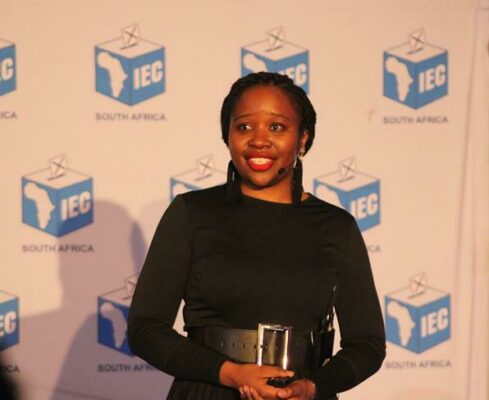
The event gave an overview of the progress in gender parity in politics and political representation in South Africa while identifying successes and challenges.
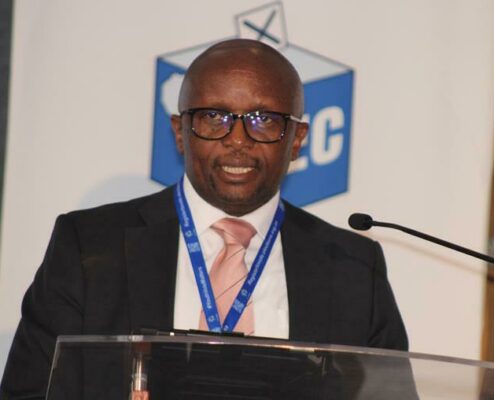
The Chairperson of the Electoral Commission of South Africa, Mosotho Moepya, said, “The numbers do not deceive in South Africa; they tell an interesting and powerful message about the women in this nation.”
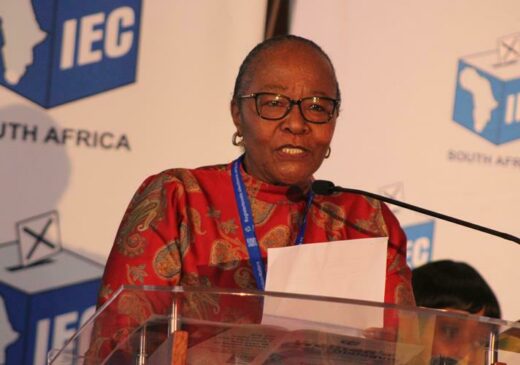
Moepya added that statistics from their institution reveal that in the 2021 local government elections, women accounted for 55% of the voters.
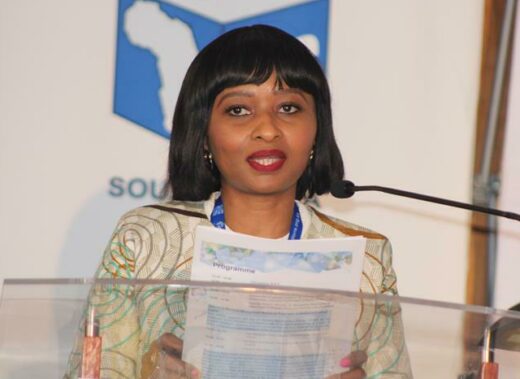
Commissioner Ohara Ngoma-Diseko, Commission for Gender Equality (CGE), highlighted the key challenges in women’s political participation under the threat of political violence.
“Political intimidation and threats or the risk of physical violence are key factors preventing greater women’s participation in politics, including undermining their willingness to put themselves forward in greater numbers for senior elective leadership positions within political parties.”
She added that to promote and advance women in politics, we need to vote for women as women, uplift each other, and continue to promote greater gender parity within internal party structures.
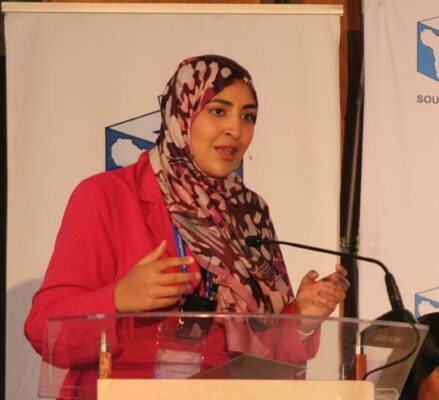
Naledi Selebano from the Commission on Gender Equality, during her presentation, urges, “Descriptive participation is when women address issues that women face; we see a decline in voter turnout because citizens do not see their challenges being addressed.”
She added that the women addressing our needs are not involved in party politics or the party telling women to follow the rules.
Although Minister Dlamini-Zuma agrees that women’s involvement in politics has increased, the situation is still far from ideal because women presently make up 48% of Parliament.
According to Minister Dlamini, some citizens of this nation believe that the electoral system has to be changed.
“It may sound nice, but I can tell you that the representation of women will drop. Women won’t be adequately represented, and they won’t have enough money to run their campaigns,” she added.
Related article:
https://www.citizen.co.za/sandton-chronicle/316889/what-is-a-man/
https://www.citizen.co.za/sandton-chronicle/291029/condolences-pour-in-for-seasoned-journalist-karima-brown/