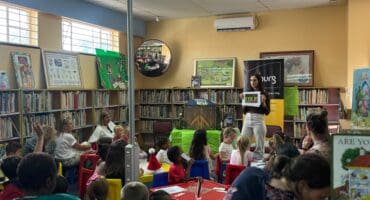
Bryanston Garden welcomes three spotted Eagle owls as researchers ring young owl
An owl box in a Bryanston garden has provided a safe nesting place for three Spotted Eagle Owlets, offering a glimpse into how residents can support wildlife in urban neighbourhoods.
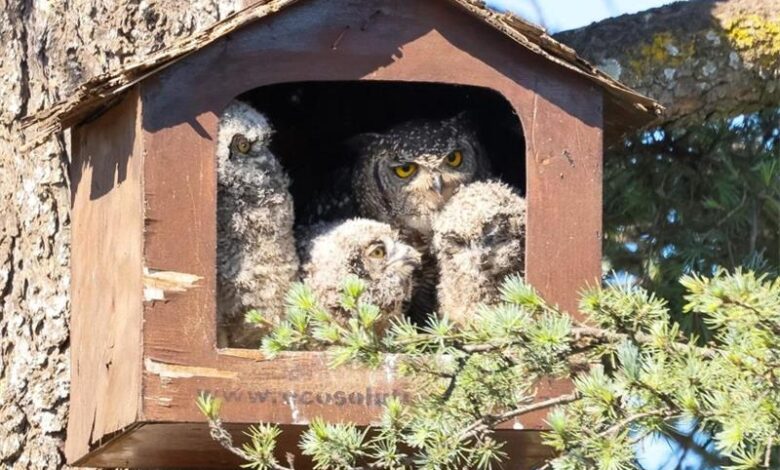
A Bryanston garden has become a safe nesting place for three spotted eagle owlets, highlighting the role residents can play in supporting wildlife in urban neighbourhoods.
EcoSolutions Urban Ecology visited Michelle Steytler’s home recently, where three spotted eagle owlets had been raised in an owl box. During the visit, one of the young owls was safely fitted with an identification ring by registered bird ringer Arjen van Zwieten.
Read more: Sandton learners experience owl ringing and release up close
The owlet received Safring identification number 8-93200, which will help researchers identify it should it be encountered again.
The other two owlets had already fledged and were perched in nearby trees, keeping a close eye on the visitors. EcoSolutions team members Caitlin Brodie and Alison Hepplestone also attended.
According to EcoSolutions ecologist Sara Orchardson, providing suitable nesting spaces is one of the ways to support wildlife in urban environments.
EcoSolutions Urban Ecology installs and services owl boxes in gardens, residential estates, farms and other landscapes, providing owls with suitable places to nest and raise their young. The boxes are serviced annually to ensure they remain safe and in good condition.
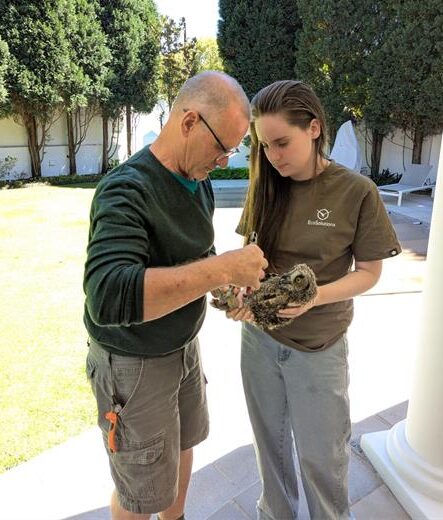
This includes cleaning, structural checks and maintenance. The visit also highlighted the importance of bird ringing in conservation, with Safring, the South African Bird Ringing Unit based at the University of Cape Town, assigning individual identification numbers to birds.
Also read: Sandton SPCA appeals for community support to replace ageing inspector vehicles
When ringed birds are encountered again, the information collected helps build knowledge about their movements and survival, contributing to conservation research.
Residents are also encouraged to understand the behaviour of young owls. Fledgling owls may spend time on the ground or in nearby trees while their parents continue caring for them. Their presence outside the nest does not necessarily mean they have been abandoned.
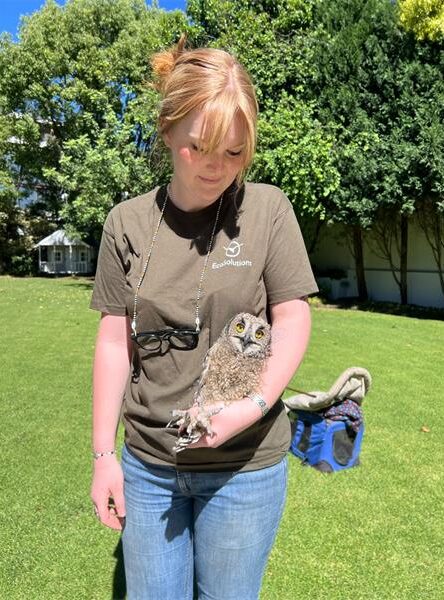
People should keep their distance, keep pets away and seek assistance from a wildlife professional if an owlet appears injured or is in immediate danger. The use of rodenticides is another concern for owl conservation. Owls can be exposed to poison after eating rats or mice that have consumed bait. This secondary poisoning can cause serious illness or death.
EcoSolutions promotes poison-free rodent control methods, including non-toxic traps and exclusion measures, to manage rodent problems while protecting owls and other wildlife.
The successful raising of three owlets in a Bryanston garden serves as a reminder that urban gardens can provide valuable habitats for wildlife when suitable nesting spaces and responsible conservation practices are encouraged.
Follow us on our Whatsapp channel, Facebook, X, Instagram and TikTok for the latest updates!