
The Midvaal Local Municipality has successfully completed the electrification of 1 228 households in Sicelo, marking a significant milestone in its ongoing efforts to improve service delivery and infrastructure. This multi-year, phased project began in 2023 and was completed in June 2025, at a total cost of R18m.
The project involved the construction of an 11kV medium-voltage and a 420 V low-voltage overhead network.It also included the installation of overhead house connections, meters, and ready boards to ensure residents have access to a safe and reliable power supply.
The electrification was rolled out in four phases, resulting in a total of 1 228 new connections. Phase 1 saw the installation of 474 connections, followed by 321 in Phase 2. Phase 3 98 households were connected, and the final phase brought electricity to another 335 homes.
With the completion of these phases, residents now benefit from improved access to electricity, which plays a crucial role in uplifting the community and enhancing the quality of life.
The establishment of legal electrical infrastructure has also led to the removal of illegal connections in the area. This has significantly reduced the risk of electrocution associated with unsafe wiring and supports the municipality’s efforts to cut down on electricity losses and increase revenue through proper metering and billing.
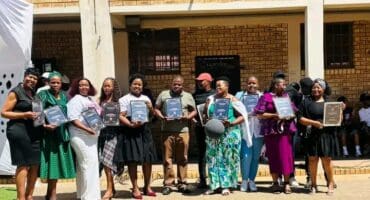
As part of the project’s commitment to local economic development, the contractor allocated approximately 30% of the final contract value to uplifting local Small, Medium, and Micro Enterprises (SMMEs).
MLM says the approach reflects its broader mission to invest in local businesses, create employment opportunities, and support sustainable economic growth within the community.
“The successful completion of the Sicelo electrification project stands as a clear demonstration of Midvaal’s dedication to the mayoral undertakings of creating opportunities for all and delivering excellent services. It reaffirms our commitment to improving infrastructure and ensuring equitable access to basic services across all communities.”