
Meyerton pet owners learn more about rabies
Residents are reminded that rabies vaccinations for pets are both a legal requirement and a critical step in protecting animal and public health.
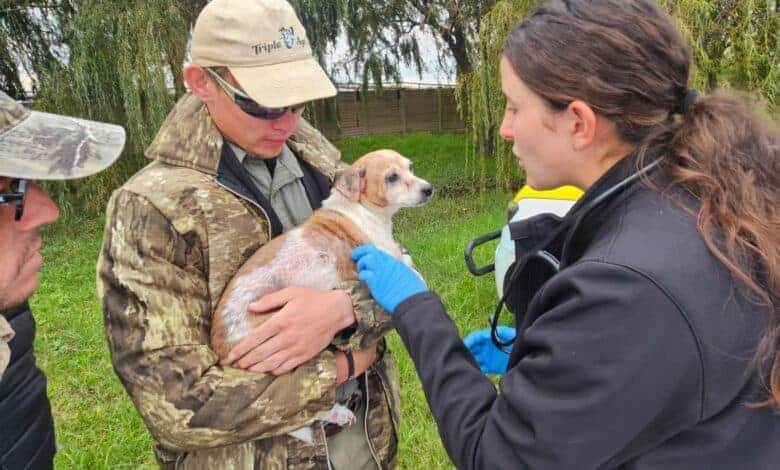
MEYERTON – In the interest of public safety and animal welfare, local authorities are reminding residents that keeping pets current on their rabies shots is more than just good ownership; it is a legal mandate.
In light of this, the Department of Agriculture, Land Reform and Rural Development (DALRRD) frequently organises free vaccination clinics in various neighbourhoods, and on April 30 they were at the Midvaal Race Track to help with basic treatments for sick or injured cats and dogs, as well as free rabies vaccinations.

There’s no cure for rabies in animals; that’s why prevention is so important.
Tragically, rabies is almost always fatal, which can be devastating to pet owners facing the loss of a beloved companion.
According to the Human-Animal Bond Handbook, published by global animal health company Zoetis South Africa, losing a pet often feels like losing a family member and can trigger the same kind of long-term grief.
Responsible pet owners care for their animals by providing healthy food, a comfortable home, love, play, and veterinary care. This includes making sure pets are protected against diseases like rabies.
What is rabies?
Rabies is a virus that can infect any warm-blooded animal, including house pets and humans. It gets transmitted through the saliva of an infected animal, usually through a bite wound.
The virus travels up the nerves to the brain. Here, it causes inflammation, leading to varied symptoms that eventually result in death.
No treatment for rabies in pets
The scary thing about rabies is that there’s still no treatment for the virus. If your pet gets infected, it will have to be euthanised.
This is to prevent your pet from infecting other animals or people, as well as to spare them the pain and suffering that comes with the later stages of the disease.
That’s why it’s so important to prevent your pet from getting rabies in the first place.
How to protect your pet against rabies
While it may not be treatable, rabies can be prevented. Ensure your pet is vaccinated. Rabies vaccination isn’t one-off:
Your pet will get their first injection as a puppy or kitten, but they still need top-up vaccinations.
Rabies vaccinations aren’t just for dogs: Dogs and cats are required by law to be vaccinated; other mammals (e.g., livestock) may be vaccinated based on veterinary advice and risk.
Keep pets away from wild animals that can carry rabies locally (e.g., jackals, mongooses, bat-eared foxes, and even Cape fur seals) and avoid contact with unknown dogs and cats.
Cats are hunters and may have a higher risk of contact with an infected wild animal, which is another reason why vaccination is so important.
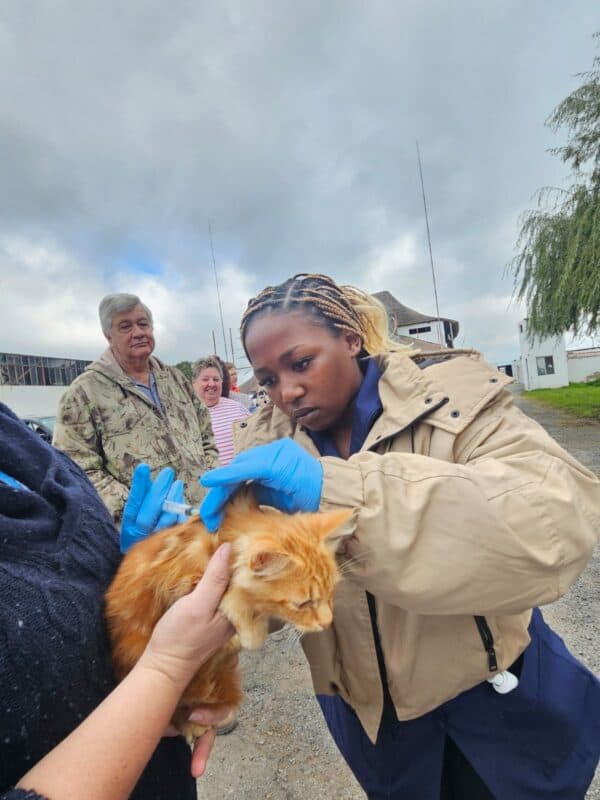
If your pet gets bitten or scratched
Take your pet to a veterinarian ASAP. If a person is bitten or scratched, immediately wash the wound with soap and running water for at least 15 minutes and seek urgent medical care for rabies post-exposure prophylaxis (PEP).
Booster shots
The risk level of your specific area determines the timing of booster shots. However, medical experts emphasise that more frequent coverage is always the safer bet.
In High-Risk (Endemic) Areas: Annual vaccinations are mandatory. Due to the higher prevalence of the virus in local wildlife, yearly boosters are essential to prevent a community outbreak.
In Lower-Risk Areas: While the law may only require a booster every three years, local vets strongly recommend yearly shots.
This “better safe than sorry” approach ensures that your pet’s immunity remains at peak levels should an unexpected outbreak occur.